
Yes, Accutane can cause a skin rash in some patients. Skin rashes are considered a known side effect, especially as the medication reduces oil production and affects the skin barrier. Many patients experience dryness first, which can progress to visible skin irritation or rash.
Can isotretinoin cause skin rashes is a common question, and the answer is yes, particularly during the early stages of treatment. These rashes are often mild and linked to dryness rather than a true allergic response. In rare cases, more serious reactions may occur, which require closer evaluation.
Key Takeaways
- Accutane can cause skin rashes, most often due to dryness and a weakened skin barrier rather than a true allergic reaction.
- Most rashes appear as red, dry, or irritated patches and are usually mild and manageable with proper skin care.
- Triggers such as sun exposure, chlorine, and saltwater can worsen irritation and increase the risk of developing a rash during treatment.
- Warning signs like blistering, widespread redness, or systemic symptoms may indicate a more serious reaction and require medical evaluation.
- In most cases, skin rashes improve with supportive care and tend to resolve after treatment ends, although recovery time can vary.
What Does Accutane Rash Look Like
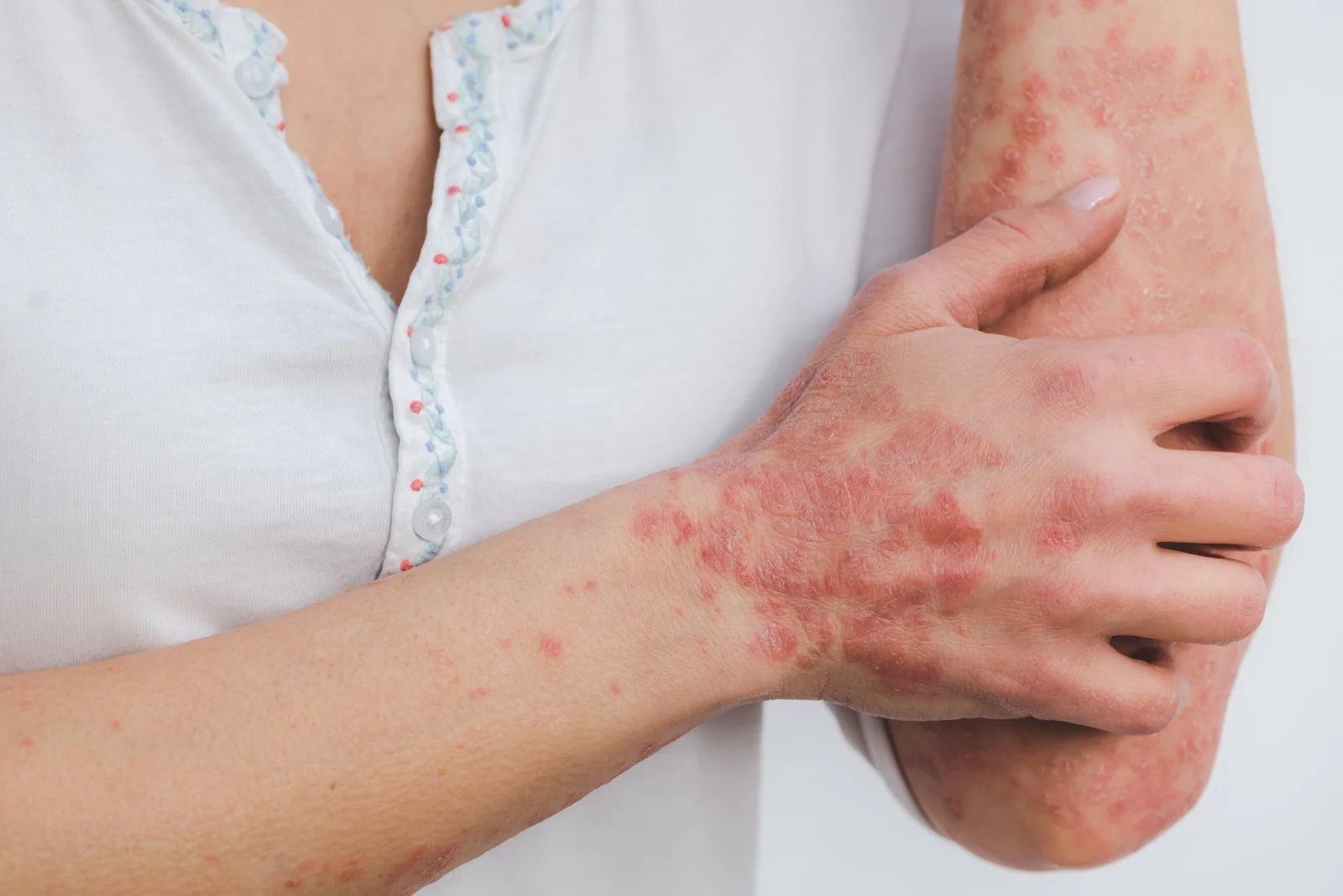
An Accutane rash often appears as red, dry, or slightly raised patches on the skin, which may overlap with symptoms explained in this guide to Accutane-related redness. The texture may feel rough, and some areas may peel or itch. These changes usually affect the face, arms, or torso, where dryness is more noticeable.
Some rashes look similar to eczema or irritation from over-drying. Others may appear as small red spots or patches that worsen with friction or sun exposure. The appearance can vary based on skin type and environmental factors.
How Common Skin Rashes Are
Skin rashes are not the most common side effect, but they do occur in a subset of patients. Dry lips and skin are common, but rashes often develop when dryness becomes more severe. The likelihood can increase with higher doses or longer treatment periods.
Patients with sensitive skin or a history of eczema may notice symptoms more quickly. Environmental factors such as cold weather or sun exposure can also increase the risk of irritation.
Why Accutane Causes Skin Rashes
Accutane works by reducing oil production in the skin, which is effective for treating acne but also alters how the skin protects itself. This process can weaken the outer skin barrier. As a result, the skin becomes more prone to dryness and irritation.
Skin Barrier Damage And Dryness
The skin barrier helps retain moisture and block irritants. When isotretinoin reduces oil, the barrier becomes less effective. This leads to dryness, flaking, and sometimes visible skin rashes.
Without enough moisture, the skin becomes more fragile. Small triggers, such as friction or mild products, can cause irritation more easily.
Increased Sensitivity And Irritation
Accutane also makes the skin more reactive. Products that were previously well tolerated may now cause redness or discomfort. This increased sensitivity can contribute to the development of a rash.
Patients often notice that their skin becomes sun-sensitive during treatment. Even brief exposure can cause redness or irritation if sun protection is not used consistently.
Environmental Triggers Like Sun And Water
External factors can worsen irritation. Sun exposure, cold air, and water exposure can all affect the skin barrier. These triggers can increase dryness and lead to visible rashes.
For example, chlorinated water or saltwater can strip moisture from the skin. This is why some patients ask, can swimming while on Accutane cause a skin rash, especially when symptoms appear after water exposure.
Types Of Accutane Skin Rashes
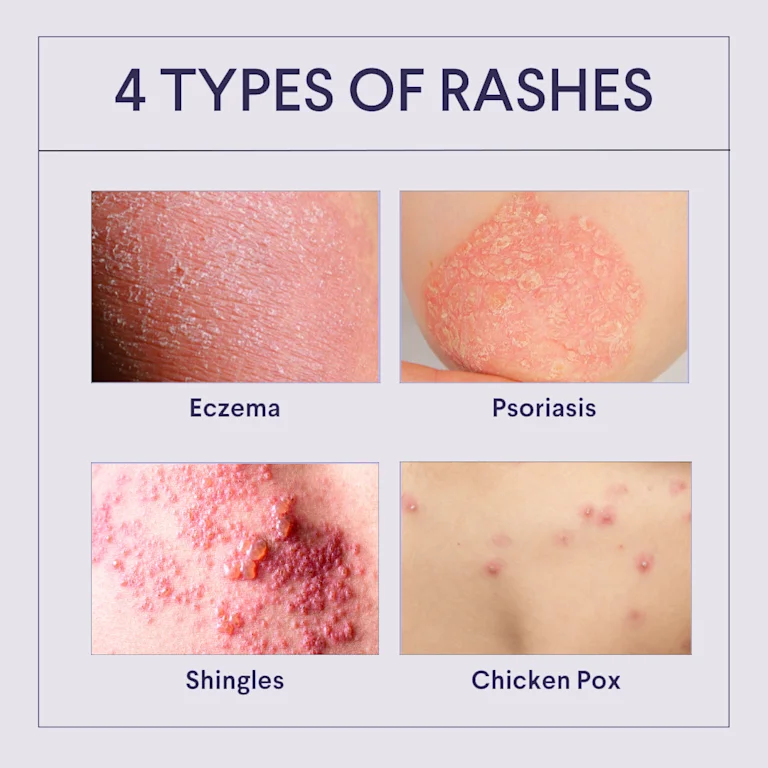
Not all rashes during Accutane treatment are the same. Understanding the type helps determine the level of concern and the next steps.
Dryness And Irritation Rash
This is the most common type. It appears as dry, red, or flaky skin and may feel tight or itchy. It is usually mild and improves with basic skin care adjustments.
Allergic Skin Reactions
Allergic reactions are less common but more important to identify. These may include swelling, intense itching, or spreading redness. They can occur suddenly and may involve other symptoms beyond the skin.
Severe Drug-Related Skin Reactions
In rare cases, severe reactions can occur. These may include blistering, peeling, or widespread redness. Although uncommon, these reactions require immediate medical attention.
How To Tell If a Rash Is Serious
Most rashes during Accutane treatment are mild, but some require closer attention. Understanding the difference helps guide the next step.
How Do You Know If You Are Allergic to Accutane
Allergic reactions often involve more than dryness. Signs may include swelling, hives, or intense itching. These symptoms may appear quickly and may not improve with basic care.
Warning Signs That Need Medical Care
Seek medical evaluation if you notice:
- Rapidly spreading rash
- Blistering or peeling skin
- Fever or feeling unwell
- Persistent pain or severe discomfort
These symptoms are uncommon but important to recognize.
What Are The Worst Side Effects Of Accutane
Skin rashes are only one part of the broader side effect profile. Some effects involve other systems in the body.
Severe Skin Reactions And Rashes
In rare cases, severe reactions can affect large areas of skin. These reactions require immediate medical attention due to potential complications.
Systemic Effects Beyond The Skin
Other side effects include joint pain, muscle pain, and blurred vision. Some patients may experience dryness in the eyes, which can be more pronounced in those who wear contact lenses. Mood changes, including rare cases of suicidal thoughts, have also been reported.
How Long Do Accutane Rashes Last
Accutane rashes usually last a few days to a few weeks, depending on their cause and severity. Mild irritation from dryness often improves once the skin adapts or with consistent use of moisturizer and sun protection.
Rashes linked to dryness or skin sensitivity tend to appear early in treatment and may come and go. As the skin adjusts, these episodes often become less frequent and easier to manage.
If the rash is due to a trigger such as sun exposure or swimming, it may resolve within a few days after removing the trigger and supporting the skin barrier.
In rare cases, more severe reactions may last longer and require medical evaluation. After stopping treatment, most rashes improve as the skin gradually recovers and oil production returns.
When Does Accutane Rash Go Away
Mild rashes often improve within days to weeks once the skin adapts or care is adjusted. Consistent hydration and sun protection can support recovery.
Side Effects Of Accutane After Stopping It
Most side effects, including skin rashes, improve after stopping the medication, although questions about long-term results are discussed in this overview of whether Accutane results are permanent. These effects vary by individual and depend on dose, duration, and skin recovery.
Common side effects after stopping Accutane include:
- Dry skin or lingering sensitivity
- Mild skin rashes or irritation
- Dry eyes, especially in those who wear contact lenses
- Chapped lips that take time to normalize
- Increased sensitivity to the sun
Most of these symptoms improve gradually as the skin barrier and oil production return to normal.
Long-Term Side Effects Of Accutane In Females
Long-term effects are not common, but they are sometimes discussed. In females, monitoring is important due to specific safety considerations.
Skin And Hormonal Considerations
Some patients report prolonged dryness or sensitivity after treatment. The medication also requires strict use of a form of contraception due to the risk of birth defects. These precautions are part of standard medical guidance.
What To Expect During Treatment
Skin changes often develop early in treatment. Dryness usually appears first, followed by possible irritation or rash in some patients.
Isotretinoin, often referred to as Accutane, is a widely used acne treatment for severe or persistent acne, and patients often begin by learning how to get an Accutane prescription.
Early Skin Changes
Patients often notice dry lips, dry skin, and increased sensitivity. These changes are part of how the medication works.
How Symptoms Change Over Time
Symptoms may improve as the skin adapts. With consistent care, many side effects become easier to manage while the treatment continues.
Keep track of any skin changes during treatment and adjust your routine as needed. If a rash becomes persistent, uncomfortable, or unclear, reviewing it with a qualified clinician can help guide the next steps safely.
Understanding how your skin responds over time allows you to manage treatment with more confidence and fewer surprises. For medically guided information and evaluation, DermOnDemand can provide structured support, and patients can learn more about how to start treatment based on clinical guidance.