
These changes lead to less swelling and a smoother skin surface, which can create a temporary “nose job” effect. The appearance comes from tighter, less-congested skin rather than from any structural reshaping. As treatment continues or ends, some of these visual changes may fade depending on how the skin returns to its baseline.
Key Takeaways
- Accutane does not change the size or shape of the nasal area because it does not affect bone or cartilage, which determine nasal structure.
- The nasal region may appear smaller during treatment due to reduced oil production, smaller sebaceous glands, and less inflammation.
- Any visible changes are temporary and relate to skin improvements, not permanent structural alterations.
- Before-and-after differences are often influenced by lighting, swelling, and skin texture rather than actual changes in nose size.
- In specific cases like rhinophyma, isotretinoin may reduce skin thickening, but it still does not reshape the underlying nose structure.
Can Accutane Make Your Nose Shrink or Change Nose Size?
Accutane does not change the shape or size of the nasal region in a structural sense. The medication does not affect bone, cartilage, or the nasal framework. These elements define the permanent features of the nose.
Skin Effects vs Structure
Isotretinoin targets sebaceous glands in the skin. These glands produce oil that contributes to acne and clogged pores. When oil production decreases, the skin becomes less thick and less congested.
The structure of the nose remains the same. The changes occur only in the outermost layer of skin. This is why the effect is visual rather than physical.
Why the Nose May Look Smaller
The nose may look smaller because swelling and oiliness decrease. Acne-related inflammation can make the nasal area appear wider or more prominent. When inflammation improves, the contours appear more defined.
Skin texture also becomes smoother during treatment. This allows light to reflect more evenly across the surface. As a result, the nose may appear more refined without any change in size.
Does Accutane Make Your Nose Smaller Permanently
Does Accutane permanently make your nose smaller? No, it does not. The effects seen during treatment relate to skin behavior, not permanent structural change. Once treatment ends, the skin may gradually return to its baseline state, as explained in the section on how long Accutane takes to leave the system.
Temporary vs Lasting Changes
Some improvements can persist after treatment, especially a reduction in acne. However, oil production may partially return over time. This means the visual effects on the nose can change after stopping the medication.
The degree of change varies from person to person. Factors such as skin type and acne severity influence how noticeable these effects are. There is no predictable permanent reduction in nose size.
Will Your Nose Go Back to Normal
In most cases, the nose returns to its natural appearance after treatment. This includes oil levels and skin texture. The underlying shape remains unchanged throughout the process.
If the nose appeared less swollen during treatment, that effect may lessen over time. This does not mean the medication failed. It reflects the temporary nature of skin-related changes.
Why Your Nose May Look Different on Accutane
The appearance of the nose can change during treatment due to several skin-related factors. These changes are expected and reflect how isotretinoin affects the skin. They do not indicate structural alteration.
Reduced Oil Production
Accutane significantly reduces oil production. The nasal area contains a high number of sebaceous glands, which makes this effect more noticeable in that area. Less oil leads to a less shiny and less congested appearance.
This reduction also decreases the buildup that contributes to clogged pores. As pores become less visible, the skin looks smoother. This can make the nose appear smaller.
Less Inflammation and Swelling
Inflammation from acne can cause swelling in the nasal area. This swelling can make the nose look larger than it is. When inflammation decreases, the nose appears more balanced.
This effect is often one of the most noticeable changes. It explains why some people believe Accutane can shrink their nose. The change is real, but it is due to reduced swelling.
Changes in Skin Texture
Skin texture improves during treatment. Rough or uneven areas become smoother as acne clears. This creates a more uniform surface.
A smoother surface reflects light more evenly. This can subtly change how facial features appear. The nasal region may look more refined without any actual reduction in size.
Accutane Nose Before and After Explained
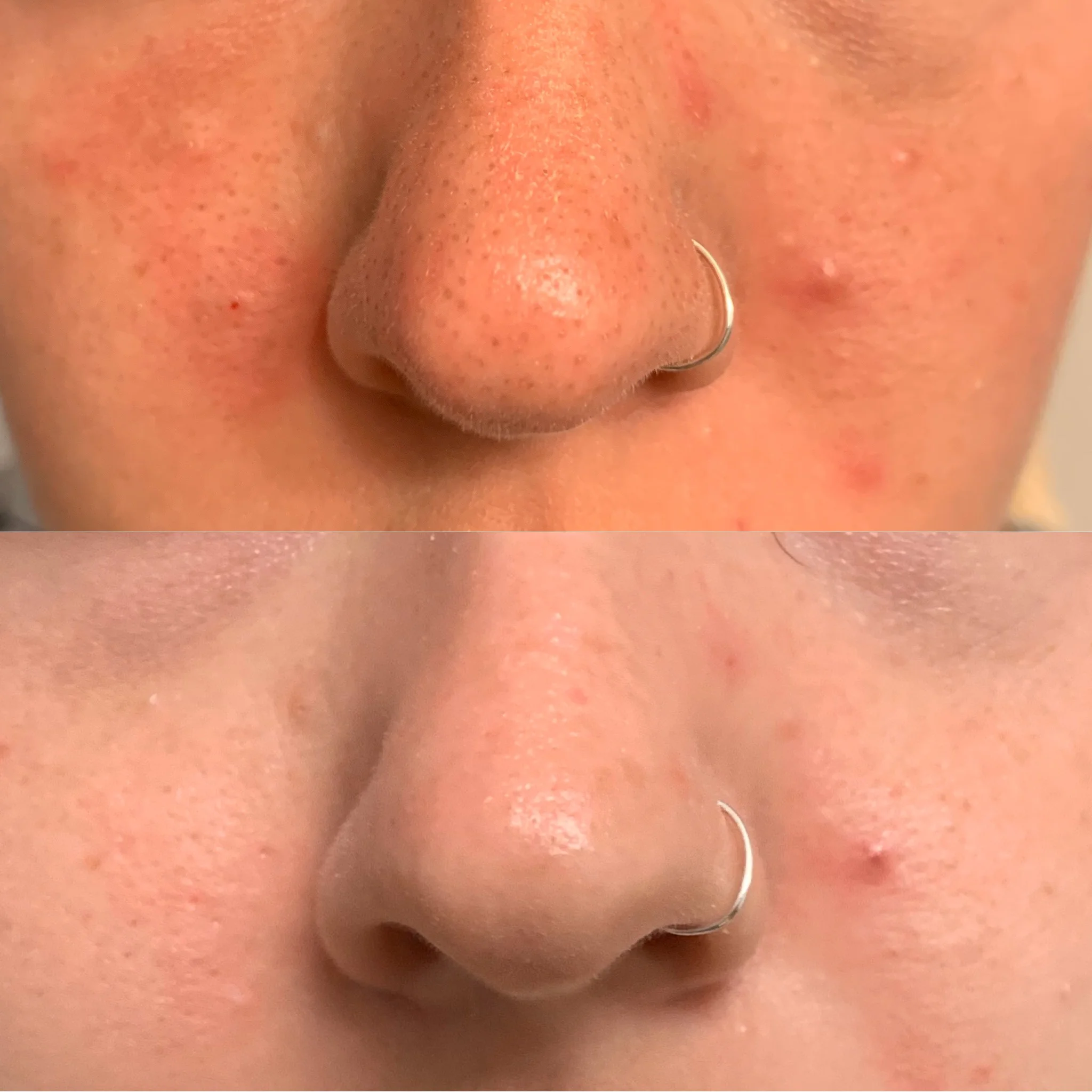
Before-and-after photos, including these Accutane nose examples, often contribute to confusion about Accutane and nose size. These images can show visible differences in skin quality and contour. However, they do not demonstrate structural change.
Lighting, camera angle, and facial expression can influence how the nose appears in photos. Reduced redness and swelling can also enhance contrast. These factors can exaggerate the perception of change.
When reviewing such images, it is important to focus on skin improvements. These include reduced acne, smoother texture, and less oil. The underlying nose shape remains the same.
What Accutane Does Not Change
Accutane does not change the structural anatomy of the nasal region. It does not affect bone, cartilage, or the overall framework of facial features. These remain constant throughout treatment.
The medication also does not act as a cosmetic reshaping tool. Its purpose is to treat acne by targeting oil production and inflammation, as part of broader acne treatment options. Any visual changes are secondary to this effect.
It is important to separate treatment goals from cosmetic expectations. Accutane is not designed to shrink your nose or alter facial proportions. Its benefits relate to skin health.
Rhinophyma and Skin Thickening
Rhinophyma is a condition associated with rosacea. It causes thickened skin and enlarged oil glands on the nasal region. This can lead to a bulbous appearance.
In these cases, isotretinoin may help reduce skin thickening. This can improve the appearance of the nose. However, the effect is limited to the skin and does not change the underlying structure.
This is an exception where noticeable changes may occur. Even then, the improvement comes from reducing excess tissue rather than reshaping the nose. Treatment decisions depend on individual clinical evaluation.
What Research Shows
Research on isotretinoin shows that it reduces sebaceous gland activity. This leads to decreased oil production and improved acne control. These effects explain the visible changes in skin.
Some studies suggest minor reductions in skin thickness. Others show no consistent change in nasal dimensions. Overall, evidence supports the conclusion that structural changes do not occur.
Medical literature emphasizes variability in response. Not all patients experience the same degree of visible change. This reinforces the importance of realistic expectations.
Common Myths and Misconceptions
Several myths exist about Accutane and facial changes. These often arise from visual observations rather than medical evidence. Clear explanations help correct these misunderstandings.
Common misconceptions include:
- Accutane can permanently shrink your nose
- The medication acts like a nose job
- Visible changes reflect structural alteration
These beliefs are not supported by clinical data. They reflect changes in skin condition rather than anatomy. Accurate information helps reduce confusion.
Accutane Nose Job Myths
The idea of an “Accutane nose job” is a common misconception. Some people believe the medication can reshape the nasal region. This is not supported by medical evidence.
A true nose job involves surgical changes to bone and cartilage. Accutane does not interact with these structures. It cannot reshape or permanently reduce the size of the nose.
The myth likely comes from visible improvements in skin condition. These changes can alter perception but do not reflect structural modification. Understanding this helps set realistic expectations.
What to Expect During Treatment
During treatment, patients often notice reduced oil production and fewer breakouts. The skin may become dry and more sensitive. These effects are expected and managed with proper care.
Changes in the nose’s appearance may occur as inflammation decreases. These changes are gradual and vary between individuals. They reflect improvements in skin condition.
If you have questions about how isotretinoin may affect your skin or facial appearance, a qualified clinician can help you understand what is typical and what is not. DermOnDemand clinicians, including Dr. Alicia Atkins, focus on careful monitoring and clear communication so you can confidently interpret changes. This approach supports informed decisions based on accurate medical guidance, including understanding next steps when starting treatment with a clinician.