This does not mean Epuris is always more effective or safer. Both medications use the same active ingredient, so their side effects, pregnancy risks, and monitoring needs are similar. This DermOnDemand article explains how these isotretinoin brands compare, why food requirements matter, and what patients should understand before discussing treatment with a dermatologist.
Key Takeaways
- Epuris and Accutane both contain isotretinoin, so they treat acne through the same active drug.
- The main difference is absorption. Epuris requires less of a high-fat meal than Accutane, which is usually taken with food.
- Both drugs need medical care and follow-up. Side effects, blood tests, and pregnancy safety rules apply to both.
- The best choice depends on acne severity, medical history, dosing guidelines, cost, access, and pregnancy risk.
- Patients should not switch between Epuris and Accutane without medical guidance. The formula, absorption, and dose instructions may differ.
Epuris vs Accutane Difference
The main difference between Epuris and Accutane is not the active ingredient. Both contain isotretinoin, a vitamin A-based medicine used when acne has not improved with other care options. Epuris was designed to be absorbed more steadily without a high-fat meal. Older isotretinoin products, such as Accutane, are usually absorbed better with food.
This difference can matter for patients who do not eat regular meals. It may also matter for patients who have trouble taking medicine with enough fat. Better absorption can help the body receive the dose as planned. The label instructions still matter for each product.
Epuris and Accutane are not exactly the same product. They are part of the same medication family. Both can be used to treat severe, painful, scarring, or persistent acne. A dermatologist may choose Epuris or Accutane for acne based on the patient’s needs.
Epuris or Accutane for Acne
Epuris or Accutane for acne may be considered when other treatments have not worked well enough. These treatments may include creams, gels, hormonal therapy, or oral antibiotics. Isotretinoin is not usually the first choice for mild acne. It needs more safety checks than many other prescription medications.
A patient may be prescribed isotretinoin for nodular acne, cystic acne, or ongoing inflammatory acne. It may also be used when acne leaves acne scars. The type of acne matters because isotretinoin has more risks than many other acne drugs. Doctors compare those risks with the risk of pain, swelling, and scarring from acne, which is why patients often review whether isotretinoin treatment is worth it for their situation.
Dermatologists often try other acne treatments first. These may include benzoyl peroxide, topical retinoids, topical antibiotics, oral antibiotics, hormonal therapy, or birth control pills. These options may help mild or moderate acne. They may not control deep nodules, cysts, or acne that keep coming back.
What Is Isotretinoin?
Isotretinoin is an oral retinoid used for severe acne. It works inside the skin, not only on the surface. Treatment with isotretinoin can reduce oil production, clear clogged pores, and reduce swelling over time. It usually lasts several months and needs follow-up visits and lab tests.
Isotroin is another brand name for isotretinoin. Isotretinoin is the generic drug name. Brand names can vary by country and drug maker. Patients should follow the name, dose, and directions on their own prescription label.
Isotretinoin treats acne by targeting several causes at once. Acne can form when oil, dead skin cells, bacteria, and swelling affect a pore. Isotretinoin reduces sebum, the skin’s natural oil. This also helps explain why dry lips and dry skin are common during treatment.
Epuris vs Accutane Dosing
Epuris vs Accutane dosing should be personal to each patient. Dermatologists often consider body weight, acne severity, past treatment response, side effects, lab results, and other medications. A course often lasts about 4 to 5 months. Some patients need a shorter or longer plan. In some cases, a dermatologist may discuss a lower-dose isotretinoin plan when side effects, acne severity, or patient history make standard dosing harder to tolerate
Long-term improvement is possible for some patients, but it helps to understand the possible long-term effects of isotretinoin before starting treatment. Acne can still return after treatment. A doctor may adjust the dose if side effects become hard to manage. Patients should not change the dose or switch brands without medical guidance.
Several factors can affect isotretinoin dosing, including:
- Body weight
- Acne severity
- Lab results
- Other medications
- Whether the patient has previously taken isotretinoin
- Severe dryness
- Headaches
- Mood changes
- Unusual lab results
These factors may lead to a dose review. The goal is to balance acne control with safety.
Absorption and Food Requirements
Absorption is one of the most important points. Some isotretinoin products need food to help the body absorb the drug well. This is often linked to dietary fat. If absorption is low, the patient may receive less medicine than planned.
Traditional isotretinoin products, such as Accutane, are usually taken with food. A fatty meal can help the body absorb the drug better. This does not mean the drug is unsafe without food. It means the instructions affect how well the dose is absorbed into the body.
Epuris was made to reduce the effect of food on absorption. This may help patients who cannot take isotretinoin with a high-fat meal each time. It still requires a prescription, medical review, and monitoring. Patients should follow the exact label directions for their product.
Epuris vs Accutane Side Effects
The side effects of Epuris and Accutane are usually similar because both contain isotretinoin.
Common side effects may include:
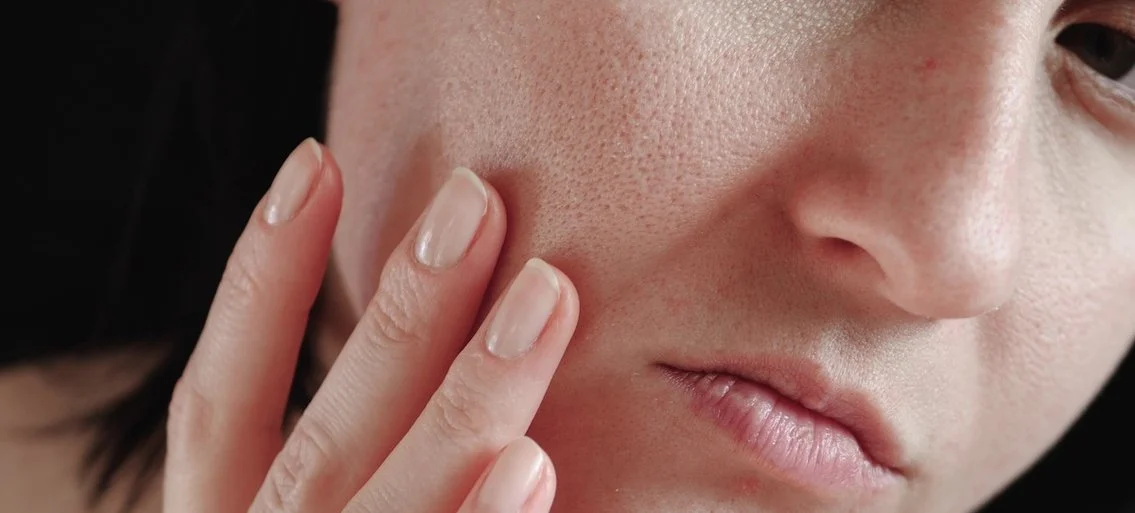
- Chapped lips
- Dry eyes or dry nose
- Skin irritation and sun sensitivity
- Dry skin
- Muscle aches or nosebleeds
- A short-term acne flare
Some symptoms need faster medical review, such as:
- Mood changes
- Severe headaches
- Vision changes
- Liver test changes
- High triglycerides
- Ongoing diarrhea, blood in the stool, or severe stomach pain

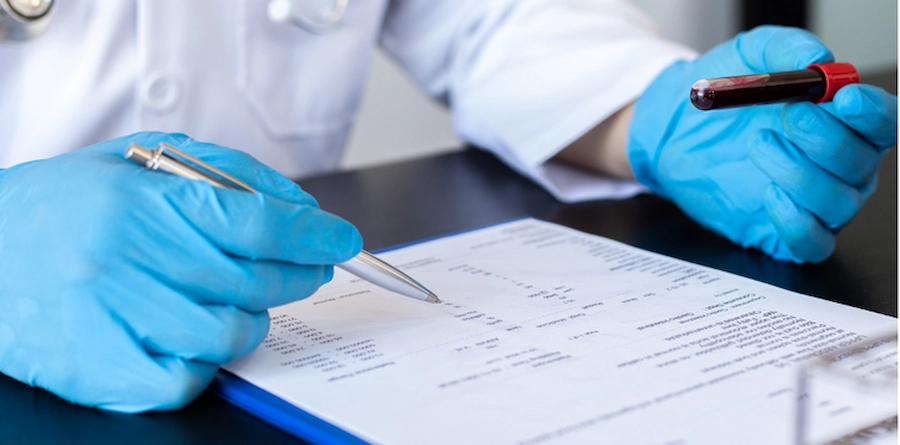
Gentle cleansers, fragrance-free moisturizers, lip balm, sunscreen, and artificial tears may help with dryness and irritation. Patients should also share all medicines and supplements they take, since blood tests may be needed to check liver function, cholesterol, and triglyceride levels.
Are Epuris and Accutane Interchangeable?
Epuris and Accutane should not be treated as automatically interchangeable without medical guidance. They contain the same active drug, but the formula and absorption may differ. Dose instructions and access may also differ. A pharmacist may identify brand or generic options, but the prescriber’s directions still matter.
Patients should ask before switching during an active course. A switch may change how the drug is absorbed or how it should be taken. The dose may also need review. This is why patients should not treat brand names as simple swaps.
Pregnancy Risks and Safety Rules
Isotretinoin can cause severe birth defects and pregnancy loss if taken during pregnancy. For patients who can become pregnant, strict safety rules may apply. These may include a pregnancy prevention program, monthly pregnancy tests, and required forms of birth control. Some programs require two methods, such as condoms plus birth control pills.
Patients may also need to avoid pregnancy after treatment ends. In many isotretinoin programs, this safety window includes at least 30 days after the last dose. Patients should follow their local program and prescriber instructions. These rules exist because fetal exposure can have serious harm.
Isotretinoin can also affect menstrual cycles in some patients. Missed or unusual periods should be discussed right away. Any pregnancy concern during isotretinoin treatment needs urgent medical guidance. This is one of the most important safety points for this drug.
What to Ask Your Dermatologist
Before starting isotretinoin, patients should ask why it is being recommended. They should also ask whether other options still make sense. Useful questions include which brand or generic product they are receiving, whether they should take it with food, and what dose they are starting with. They should also ask which side effects need medical review.
Patients should ask what lab tests or pregnancy tests are required. They should also ask whether they can keep using other acne products during treatment. Clear answers help patients understand the difference between Epuris and Accutane. The right choice depends on acne severity, medical history, pregnancy risk, access, and ability to follow dosing instructions.
If you want to review acne care options with a dermatology provider, you can learn more about starting acne treatment with DermOnDemand. A clinician can help you determine whether isotretinoin, another prescription option, or a different acne plan is right for your skin history and safety needs.