
Accutane is a prescription oral acne medication made from isotretinoin, a vitamin A derivative that treats severe nodular or cystic acne when other treatments have not worked well. It works by shrinking oil glands, reducing excess oil production, unclogging pores, and calming acne-related inflammation. A clear answer to what Accutane is should also explain that it is usually taken for several months, often around 4 to 6 months, under a dermatologist’s supervision.
It can lead to long-term acne improvement for some patients, but it is not a casual acne treatment.
In this DermOnDemand educational explainer, Dr. Alicia Atkins helps frame the topic as a medical treatment that requires careful screening, monitoring, and realistic expectations.
Key Takeaways
- Accutane is the common name many people still use for isotretinoin, a prescription oral retinoid used for severe acne.
- Isotretinoin works by reducing oil production, clogged pores, and inflammation, which are key drivers of severe acne.
- Common Accutane side effects include dry skin, chapped lips, sun sensitivity, nosebleeds, and muscle or joint aches.
- Isotretinoin requires medical monitoring because it can affect pregnancy safety, mood, liver markers, and cholesterol levels.
- Results take time, and some patients may see early acne flares before gradual improvement over several months.
What Is Accutane?
Accutane is a former brand name for isotretinoin. The Accutane brand is no longer available in the United States, but many people still use the name to refer to isotretinoin. Isotretinoin is used to treat severe acne, especially deep, painful cysts and nodules.
Accutane Medication vs Isotretinoin
The term accutane medication usually refers to isotretinoin, not the discontinued brand itself. Current isotretinoin products may be sold under other brand names or as generic medication. The active drug is the key issue, not the name on the package.
Is Accutane a Pill?
Yes, isotretinoin is taken by mouth, usually as a capsule. A clinician gives specific dose instructions based on weight, acne severity, side effects, and lab results. Patients should not crush, split, or share this medication.
What Is Accutane Made Of?
Isotretinoin is a retinoid, which means it is related to vitamin A. This matters because taking extra vitamin A can raise the risk of potential side effects. Patients should tell their clinician about supplements, medications, and health conditions before starting treatment.
What Is Accutane Used For?
What is Accutane used for? It is mainly used for severe acne that has not improved with standard care. It may be considered when acne causes pain, scarring risk, or repeated inflammation despite other treatments.
It is not usually the first treatment for mild breakouts. Dermatologists may consider it when topical medicine, oral antibiotics, hormonal options, or other acne plans do not control the condition well enough.
Severe Nodular or Cystic Acne
Nodular and cystic acne can form deep, tender bumps under the skin. These lesions can last for weeks and may leave scars. Isotretinoin may help when this type of acne keeps returning or does not respond to other care.
Acne That Has Not Improved
Some patients try several acne treatments before isotretinoin becomes an option. This does not mean the earlier treatments failed without value. It means the acne pattern may need a stronger systemic approach.
What Does Accutane Do Exactly?
What does Accutane do? It reduces several acne drivers at the same time. It can reduce oil production, unclog pores, limit acne-related inflammation, and make the skin less conducive to acne-causing bacteria.
Oil Gland Changes
An oil gland produces sebum, the natural oil on the skin. Isotretinoin lowers sebum production, which helps reduce the oily environment that can contribute to acne. This is one reason dryness is common during treatment.
Clogged Pores and Inflammation
Acne often starts when oil, dead skin cells, and inflammation block pores. Isotretinoin helps reduce this process from several angles. This can make breakouts less frequent over time.
Long-Term Acne Reduction
Many patients see lasting improvement in acne after a full course, but results vary. Some people may need more than one course or ongoing acne care later. The goal is long-term control, not an instant change.
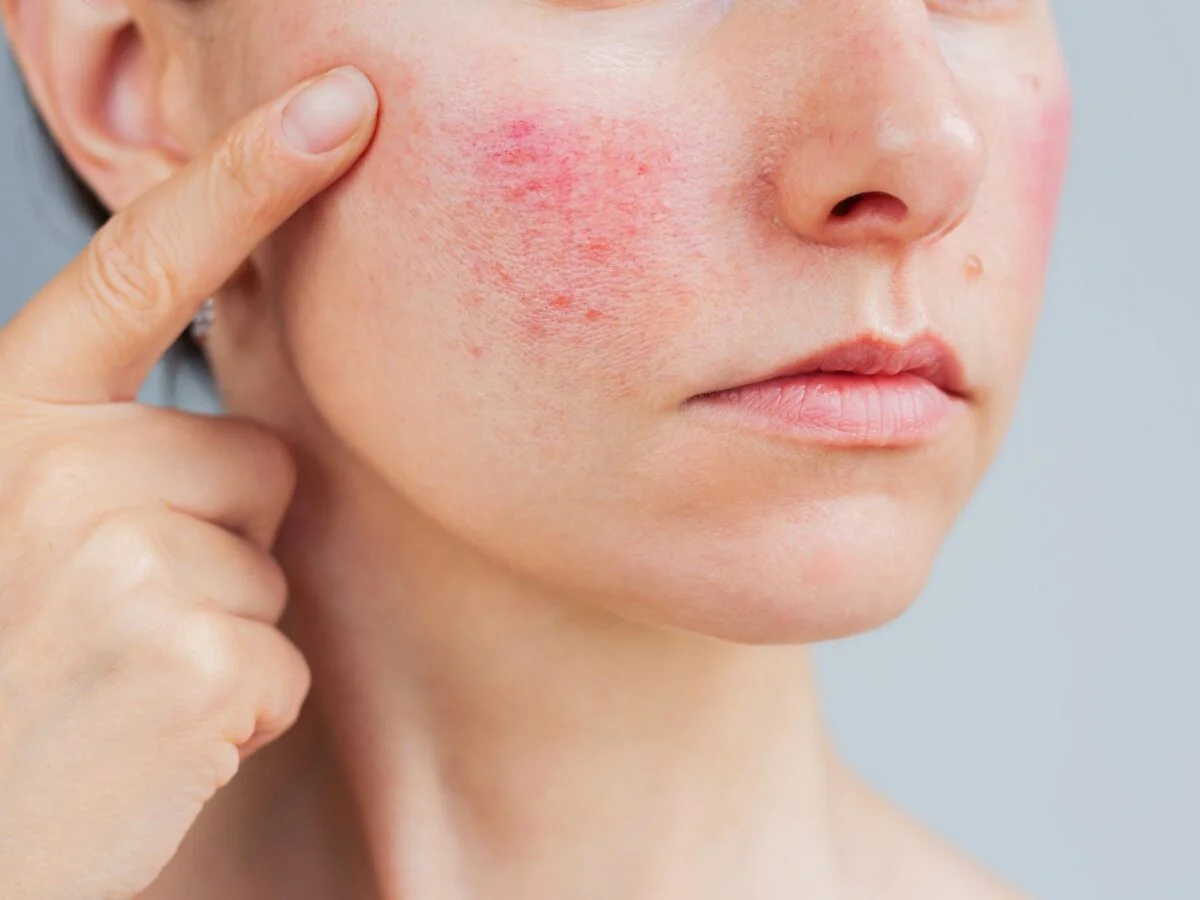
Benefits of Accutane
The benefits of Accutane are strongest for patients with severe, persistent acne. It can reduce deep breakouts and may lower the risk of future scarring when used appropriately. It also offers an option when other treatments have not been enough.
Reduced Severe Breakouts
Isotretinoin can reduce the number and severity of inflammatory lesions. This may help patients who have painful acne on the face, chest, shoulders, or back. Improvement often happens gradually.
Lower Scarring Risk
Severe acne can damage skin and leave lasting marks or scars. Better acne control may reduce the chance of new scars forming. Existing scars usually need separate treatment after acne is stable.
Longer Acne Control
Some patients have longer periods of clearer skin after isotretinoin. This depends on acne type, dose, duration, hormones, and individual response. No acne treatment can promise the same result for everyone.
Accutane Side Effects and Risks
Accutane side effects can range from expected dryness to serious risks that need medical attention. Common effects include dry skin, chapped lips, dry eyes, nosebleeds, sun sensitivity, and muscle or joint aches. Patients should report symptoms that feel severe, unusual, or persistent.
Common Accutane Side Effects
Dryness is one of the most common issues. Skin, lips, eyes, and the inside of the nose can become irritated. Gentle skin care and regular moisturizer often help, but symptoms should still be discussed during follow-up visits.
What Are the Bad Side Effects
More serious concerns can include vision changes, severe headache, mood changes, liver irritation, cholesterol changes, severe abdominal pain, or allergic reactions. These are not the most common effects, but they matter because they can affect safety. Patients should seek medical guidance if these symptoms occur.
Pregnancy and Birth Defects
Isotretinoin can cause severe birth defects if taken during pregnancy. Patients who can become pregnant must follow pregnancy prevention rules, including testing and contraception requirements. The iPLEDGE program exists to reduce this risk.
Mood, Liver, and Cholesterol Changes
Clinicians monitor mood symptoms, liver markers, and cholesterol during treatment. A blood test may be used before and during therapy to check safety markers. Patients should report mood changes, new depression symptoms, or thoughts of self-harm right away.
Is Accutane Safe?
Is Accutane safe? It can be used safely for selected patients when prescribed, monitored, and taken correctly. Safety depends on medical history, pregnancy risk, medication interactions, lab results, and the patient’s ability to follow required precautions.
Who Cannot Take Accutane?
People who are pregnant, trying to become pregnant, or unable to follow pregnancy prevention rules should not take isotretinoin. Some medical conditions may also make treatment unsafe or require extra caution. A clinician should review liver disease, high cholesterol, mental health history, inflammatory bowel disease, allergies, and current medications.
Why Monitoring Matters
Monitoring helps detect problems before they become more serious. It also lets the clinician adjust dosing, manage dryness, and review any new symptoms. Follow-up is part of the treatment, not an optional step.
iPLEDGE Requirements
iPLEDGE is a required risk-management program for isotretinoin in the United States. Patients must meet program rules to receive the medication. These rules are especially strict for patients who can become pregnant.
How Long Does Accutane Take to Work?
How long does Accutane take to work? Some patients notice changes within the first few months, but treatment often takes about six months. The timeline can be shorter or longer based on dose, acne severity, and tolerance.
Early Acne Flares
Acne can temporarily worsen during the first one to two months. This does not always mean the medication is failing. A clinician can help decide whether the flare is expected or needs a treatment adjustment.
When Skin May Improve
Visible improvement often builds gradually. Some patients see fewer inflamed lesions first, while others notice less oiliness or fewer new cysts. Progress should be measured over weeks and months, not days.
Full Treatment Timeline
A full course often depends on cumulative dosing and clinical response. Patients should keep follow-up visits even when skin starts to improve. Stopping early without guidance can affect results and safety.
You may also be interested in: Accutane Timeline: What to Expect Month by Month

What to Expect During Treatment
Treatment usually includes check-ins, symptom review, and lab monitoring. Patients may need pregnancy testing, liver and cholesterol checks, and a discussion of side effects. The exact plan depends on the patient’s risk factors.
Lab Testing and Follow-Up
Follow-up visits help confirm that treatment remains appropriate. Test results can guide dose changes or temporary pauses. Patients should share new symptoms, medication changes, or pregnancy concerns quickly.
Medication Instructions
Patients should take isotretinoin exactly as prescribed. They should avoid sharing it, taking extra doses, or combining it with vitamin A supplements unless a clinician approves. Medication instructions may vary by product and dose plan.
Skin Care During Treatment
Skin care should focus on barrier support. Gentle cleanser, moisturizer, lip balm, and sunscreen can reduce irritation. The American Academy of Dermatology advises avoiding harsh acne ingredients, scrubs, and irritating products during isotretinoin treatment.
How Much Is Accutane?
Cost varies by dose, brand or generic version, insurance coverage, pharmacy, and required visits or tests. Generic isotretinoin may cost less than brand-name options. Patients should also consider lab costs and follow-up requirements.
Cost Factors
Main cost factors include medication quantity, insurance plan rules, deductible status, and pharmacy pricing. Some patients pay more at the start of the year if they have not met a deductible. Others may pay less if generic coverage is strong.
Insurance and Generic Options
Insurance may require prior authorization before covering isotretinoin. Generic options can lower costs, but coverage differs by plan. The prescribing clinician or pharmacy can clarify which covered options match the prescription.
What Accutane Cannot Treat Remotely
Remote care has limits when symptoms suggest a serious reaction or when test results are abnormal. Severe side effects, pregnancy-related concerns, and abnormal lab results need direct medical review. DermOnDemand can provide educational context, but urgent or complex symptoms require appropriate in-person or emergency care.
Severe Side Effects
Severe headache, vision changes, chest pain, severe abdominal pain, yellowing skin, or thoughts of self-harm should not wait for routine follow-up. These symptoms need prompt medical attention. Patients should follow emergency guidance when symptoms feel sudden or severe.
Pregnancy-Related Concerns
Any pregnancy concern during isotretinoin treatment needs immediate medical guidance. This includes missed periods, positive pregnancy tests, or unprotected sex when pregnancy is possible. The risk to an unborn child is serious.
Abnormal Lab Results
Abnormal liver, triglyceride, or cholesterol results may require dose adjustments or discontinuation of treatment. These decisions depend on the level of abnormality and the patient’s full medical picture. A clinician should interpret the results.
Common Accutane Misconceptions
Accutane is not for every acne case, and it is not a quick fix. It is usually reserved for severe, persistent, or scarring acne. Side effects vary by person, so one patient’s experience may not predict another patient’s course.
Accutane Is Not for Every Acne Case
Mild acne often responds to topical care, oral antibiotics, or hormonal treatment. Isotretinoin may be too strong for cases that can improve with lower-risk options. Treatment choice should match acne severity and patient risk.
Results Are Not Instant
Improvement takes time because acne forms below the surface before it appears. Early flares can happen before the skin starts to improve. Patience and monitoring are part of the process.
Side Effects Vary by Person
Some patients have manageable dryness, while others need dose adjustments or extra support. Medical history, dose, and skin sensitivity can change the experience. Good communication with the clinician helps manage concerns.
When to Ask a Dermatologist
Ask a dermatologist about isotretinoin if acne is painful, deep, or scarring, or if it is not improving with standard treatment. A dermatologist can review whether the medication is appropriate for your medical history, explain the risks, and outline the monitoring needed for safe use.