Antioxidants and skin health are closely linked because the skin is exposed daily to light, pollution, and other irritants.
In this DermOnDemand educational explainer, Dr. Alicia Atkins is referenced as a medical expert to help frame how antioxidants work, which ingredients matter, and how to use them safely.
Key Takeaways
- Antioxidants help protect the skin by reducing oxidative stress caused by free radicals from ultraviolet light, pollution, and other environmental exposures.
- Ingredients such as vitamin C, vitamin E, niacinamide, green tea extract, and CoQ10 support different aspects of skin health, including barrier function, pigmentation, and visible signs of aging.
- Topical antioxidant products and antioxidant-rich foods can both contribute to healthy skin, but they serve different roles and work best as part of a balanced routine.
- Antioxidants cannot replace sunscreen or reverse all existing skin damage, so realistic expectations and consistent sun protection remain important.
- Choosing the right antioxidant depends on your skin type, concerns, and product formulation, and a dermatologist should evaluate persistent skin problems.
Why Are Antioxidants Important for Skin?
Antioxidants help defend the skin from oxidative stress. This process happens when unstable molecules, called free radicals, affect skin cells and normal repair functions. Over time, this may contribute to sun damage, dark spots, premature aging, and visible signs of aging.
Environmental stressors can increase free radical damage. Common examples include UV exposure, air pollution, tobacco smoke, and inflammation. Antioxidants support skin health by neutralizing free radicals before they cause more stress in the skin.
Evidence suggests that antioxidants may support skin protection when used as part of a comprehensive skin care plan. They do not prevent all damage, and they do not replace sunscreen. Their role is supportive, not corrective, in every case.
What Are Skincare Antioxidants?
Skincare antioxidants are ingredients that help reduce oxidative damage to or within the skin. They may appear in serums, moisturizers, sunscreens, and other skincare products. Some antioxidants also come from foods, such as fruits, vegetables, nuts, and tea.
Free radicals are unstable molecules that seek electrons from nearby cells. This can affect proteins, lipids, and DNA in the skin. Oxidative stress occurs when the body cannot balance free radicals with enough antioxidant defenses.
Antioxidants work by donating electrons to free radicals. This helps limit cellular stress and may protect the skin from ongoing environmental exposure. They do not replace sunscreen, but they can support a broader skin care plan.
Antioxidants Skin Benefits
Antioxidant skin benefits depend on the ingredient, formula, and person using them. Results also vary by skin type, routine, and consistency. Most benefits relate to protection, tone, texture, and barrier support.
- UV Damage and Pollution: Antioxidants can help reduce the effects of daily exposure. They cannot block UV rays on their own.
- Collagen, Fine Lines, and Texture: Some ingredients support collagen and elastin, which help keep skin firm and smooth.
- Dark Spots, Redness, and Dullness: Certain antioxidants may help improve uneven skin tone and calm visible irritation.
- Skin Barrier Support: Niacinamide strengthens the skin barrier and may help sensitive skin tolerate products better.
Research reviews describe several antioxidant ingredients as useful in skin care, especially vitamin C, vitamin E, vitamin A derivatives, niacinamide, green tea compounds, and CoQ10. These ingredients do not all work the same way. Some focus more on tone, while others support barrier function or irritation control.

Which Antioxidants Are Best for Skin Health?
The best antioxidant depends on the skin concern. Vitamin C may help with dullness and pigment changes. Vitamin E, niacinamide, green tea, and CoQ10 may support dryness, redness, or daily environmental defense.
Vitamin C, also called ascorbic acid, can help brighten the appearance of dull skin and support collagen production. Readers interested in choosing a product can review this guide to the best vitamin C serum recommended by dermatologists.
Vitamin E helps support the skin barrier and often pairs well with vitamin C. Vitamin A derivatives may improve skin texture, but they can irritate some users.
Niacinamide can help with redness, barrier repair, and uneven skin tone. Green tea contains polyphenols that may soothe visible inflammation. CoQ10 is often used in facial antioxidants to help protect against environmental stress.
Topical Antioxidants, Diet, and Supplements
Antioxidants and skin care often work best as part of a simple routine. If you are building one, a skin care routine for your 30s can show how antioxidants fit alongside cleansing, moisturizing, and sun protection.
A typical morning routine may include a cleanser, antioxidant serum, moisturizer, and sunscreen. Night routines may focus more on repair, hydration, or retinoids.
Topical facial antioxidants act directly on the skin surface. Serums often deliver higher concentrations than creams, while moisturizers may be better for dry or sensitive skin. Sunscreens may also include antioxidants, but sunscreen filters remain the main source of UV protection.
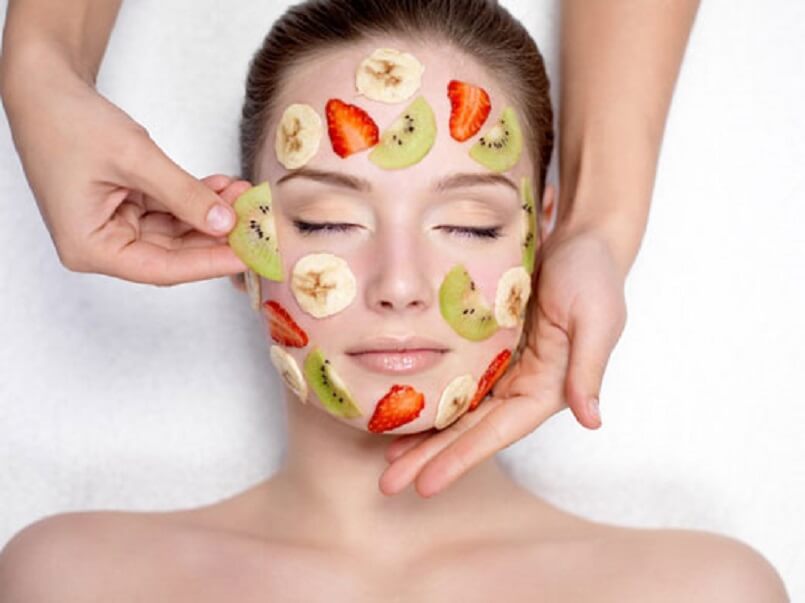
Diet supports the body’s antioxidant supply from the inside. Berries, leafy greens, citrus, nuts, seeds, and colorful vegetables can support general health and skin health. Supplements may help in some cases, but they are not always needed and should not replace a balanced diet.
How to Choose Antioxidant Skin Care
Choosing antioxidant skin care depends on your goals and tolerance. A person with dullness may prefer vitamin C. A person with redness or sensitivity may benefit from niacinamide or green tea.
- Skin Type and Sensitivity: Dry, oily, acne-prone, and sensitive skin may react differently to the same product.
- Ingredient Pairings: Vitamin C and vitamin E often pair well, while retinoids need more caution.
- Product Stability: Some antioxidants break down with light, air, or heat, so packaging matters.
- Routine Fit: A product is more helpful when it fits a routine you can follow consistently.
Product form matters. Serums may work well for targeted use, creams may suit dry skin, and gels may feel lighter on oily skin. Packaging also matters because unstable antioxidants can lose strength when exposed to air, light, or repeated opening.
Drawbacks and Limitations
Antioxidants can support the skin, but they cannot reverse every skin concern. They may not remove deep wrinkles, advanced sun damage, or long-standing pigment changes. Some concerns may need prescription treatment, procedures, or a diagnosis before choosing care.
More antioxidant skin care is not always better. Layering several active ingredients can increase the risk of dryness, burning, peeling, or clogged pores. This is especially important for people with sensitive skin or those already using retinoids, exfoliating acids, or acne medication.
How to Use Antioxidants Safely
Start with one antioxidant product at a time. Use a small amount and watch for burning, peeling, or worsening redness. This matters most for sensitive skin or when using retinoids, acids, or acne treatments.
Many people use antioxidants in the morning under sunscreen. This approach can help protect the skin from daily exposure while sunscreen blocks UV radiation. Antioxidants should not replace sunscreen or sun-protective habits.
Antioxidants can cause irritation, dryness, stinging, or clogged pores in some people. Vitamin C and vitamin A products may be harder to tolerate. Stop use and seek guidance if irritation persists or becomes painful.

Common Myths About Antioxidants
One common myth is that antioxidants erase sun damage. They may support the skin, but they cannot reverse all damage or replace medical treatment. Lasers, prescriptions, or procedures may be needed to address certain pigment or texture concerns.
Another myth is that more antioxidants always improve skin. Too many active products can irritate the skin and weaken tolerance. A simple routine often works better than layering many products at once.
FAQ
What Are the Big 3 Antioxidants for Skin?
The big 3 antioxidants are often described as vitamin C, vitamin E, and vitamin A. Vitamin C supports brightness and collagen production, vitamin E supports skin barrier protection, and vitamin A derivatives may improve skin texture. Each ingredient has different strengths and tolerance concerns.
Can Antioxidants Replace Sunscreen?
No, antioxidants cannot replace sunscreen. They may help reduce oxidative stress, but they do not block UV radiation the way sunscreen does. Sunscreen remains essential for reducing UV-related skin damage.
Are Antioxidants Better in Food or Skin Care?
Food and topical skin care work in different ways. Diet supports whole-body antioxidant intake, while topical products act more directly on the skin surface. Many people benefit from both, but neither option guarantees a specific skin result.
When to Ask a Dermatologist
Ask a dermatologist if you have persistent redness, irritation, acne, rash, or pigment changes that do not improve. A dermatologist can help determine whether skincare products, prescription treatments, or in-office care is more appropriate. This is especially useful if symptoms are painful, spreading, or linked with medication use.