Beef tallow benefits for skin are a common topic. More people are asking if traditional fats belong in modern skin care.
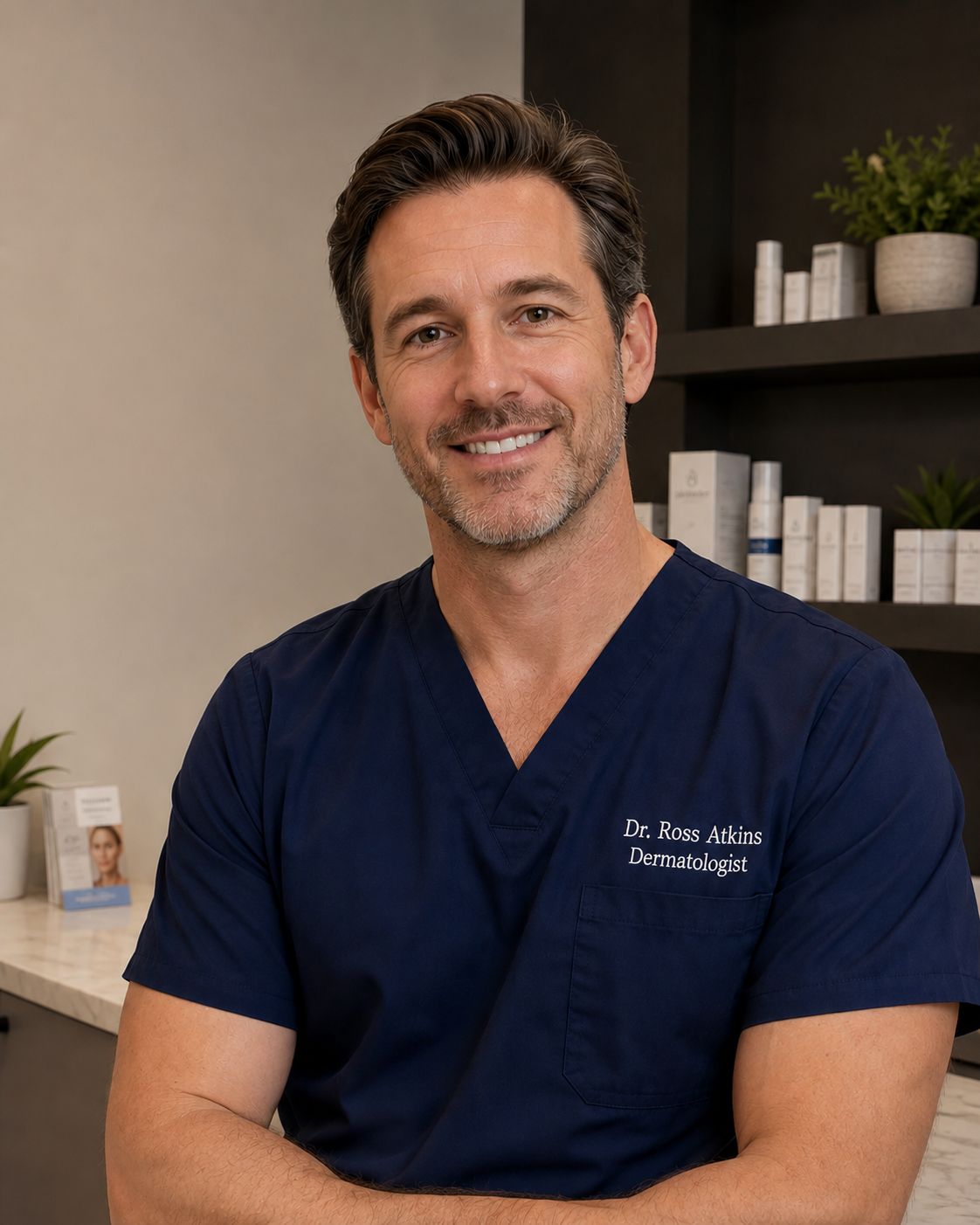
In this DermOnDemand educational explainer, Dr. Alicia Atkins is referenced as a medical expert to help frame the topic through a clinical, safety-focused lens.
This article explains what beef tallow is. It covers what it may do for the skin. It notes where evidence is limited. It also explains which skin types may need caution.
Key Takeaways
- Beef tallow may help moisturize dry skin by reducing water loss and supporting the skin barrier, but its benefits are mainly related to hydration rather than treating medical skin conditions.
- Research on beef tallow for skin remains limited, and there is not enough evidence to show that it can treat acne, eczema, or signs of aging.
- People with acne-prone or oily skin may be more likely to experience clogged pores or breakouts because beef tallow is a rich, occlusive ingredient.
- Product quality, added ingredients, and individual skin type can all affect how well beef tallow is tolerated and whether it causes irritation.
- Dermatologists often recommend evidence-supported moisturizers with ingredients such as ceramides, glycerin, or petrolatum when consistent barrier support and predictable results are needed.
Is Beef Tallow Good for Your Skin?
Beef tallow may help some people with dry or rough skin because it acts like an occlusive moisturizer. An occlusive ingredient sits on the skin’s surface and slows water loss. This can make the skin feel softer for a short time.
The benefits of beef tallow for skin are primarily related to moisture retention, not disease treatment. It does not repair every damaged skin barrier. It also should not replace prescribed care for active rashes, infections, or inflammatory skin conditions.
Dr. Alicia Atkins notes that skin tolerance depends on the person, the product, and the condition of the skin barrier. A product that feels soothing on dry skin may feel too heavy or irritating on another skin type. This is why beef tallow should be viewed as a moisturizer option, not a universal skin treatment.
Is Beef Tallow Good for Your Face?
Beef tallow for skin can feel rich and protective on the face, but facial skin often reacts more easily than body skin. Some people tolerate it well, while others develop clogged pores, bumps, or irritation. This is why it should be tested carefully before applying it across the face.
People with acne-prone skin should be more cautious. A heavy balm can trap sweat, oil, dead skin cells, or other skincare ingredients on the surface. This can increase the chance of clogging pores, especially in areas that already break out.
What the Evidence Shows
There is limited direct research on beef tallow as a skin treatment. Most claims come from its fatty acid profile, traditional use, and user reports on social media. These sources can help explain why the trend is popular, but they do not prove medical benefit.
Beef tallow contains stearic acid, oleic acid, and other fatty acids found in many fats and oils. It may also contain small amounts of fat-soluble vitamins, depending on sourcing and processing. Still, the presence of these compounds does not mean beef tallow can treat eczema, acne, or aging skin.
Dr. Atkins’s clinical framing is that moisturizers should be judged by skin response, ingredient safety, and the condition being managed.
For medical skin concerns, evidence-supported products usually have clearer safety data. Beef tallow may have potential benefits for dryness, but stronger studies are needed before making broader claims.
What Is Beef Tallow?
Beef tallow is rendered animal fat, usually made by slowly heating fat from cattle until the liquid fat separates. Once cooled, it becomes thick and balm-like. Some skin care products use it alone, while others combine it with oils, waxes, or fragrance.
A beef tallow moisturizer is usually marketed as simple, rich, and traditional. Some versions are unscented, while others include natural oils such as lavender, olive oil, or jojoba oil. Added ingredients matter because they can change how the product feels and how the skin reacts.
Benefits of Beef Tallow for Skin Care
The main potential benefits of beef tallow are related to dryness, texture, and short-term barrier support. It may help reduce water loss from the skin surface by forming a protective layer. This can be useful when skin feels tight, flaky, or wind-exposed.
The phrase beef tallow benefits for skin care often appears in discussions about minimal routines. Some users prefer it because they want fewer synthetic-feeling products. That does not make it safer for everyone, but it explains why the ingredient has gained attention.
Moisture and Barrier Support
Beef tallow can support moisture by reducing evaporation from the outer skin layer. This may help dry skin feel more comfortable, especially when applied over damp skin. It does not add water to the skin on its own, so hydration still depends on the full routine.
Many dermatologist-supported moisturizers combine humectants, emollients, and occlusives. Humectants pull water into the skin, emollients smooth rough areas, and occlusives seal moisture in. Beef tallow primarily falls into the occlusive and emollient categories.
Softness and Rough Texture
Some people notice smoother skin after using beef tallow because the fat fills small gaps between dry surface cells. This can make rough patches feel softer. The effect is usually cosmetic and temporary.
This does not mean beef tallow changes the underlying cause of dryness. Weather, over-washing, harsh cleansers, aging, and medical conditions can all affect skin texture. A moisturizer may help symptoms, but it may not solve the cause.

Beef Tallow Moisturizer for Skin Conditions
People often ask about beef tallow for eczema, acne, and sensitive skin. These topics need careful wording because skin conditions have different causes. A product that helps with dryness may still worsen inflammation or breakouts in another person.
A discussion of tallow cream benefits should include both its comfort and its risks. It may soften dry areas, but it may also irritate reactive skin or feel too heavy. The safest approach depends on the condition, severity, and current treatment plan.
Beef Tallow Benefits for Skin Eczema
The benefits of beef tallow for skin eczema are not well established in clinical studies. Eczema involves inflammation, skin barrier dysfunction, itching, and immune activity. A rich moisturizer may reduce dryness, but it does not control all parts of eczema.
People with eczema should avoid products with fragrance or irritating essential oils. Even natural ingredients can trigger burning, redness, or itching. A bland, fragrance-free moisturizer is often easier to tolerate during a flare.
Beef Tallow Benefits for Skin Acne
The benefits of beef tallow for acne-prone skin are also uncertain. Acne involves oil glands, blocked pores, bacteria, inflammation, and hormones. A heavy balm may worsen acne-prone areas.
Some people use beef tallow without breaking out, but that does not make it noncomedogenic for everyone. Comedogenic means likely to block pores. If new bumps appear after use, use should be stopped, and the skin should be monitored.
Practical Advice by Skin Type
Different skin types may respond to beef tallow in different ways. The safest approach is to match the product to the skin’s needs rather than follow a trend. A small amount is usually enough because beef tallow is heavy and slow to absorb.
- Dry skin may tolerate beef tallow better when used as a final layer over a gentle moisturizer.
- Sensitive skin should avoid scented formulas and test the product on a small area first.
- Acne-prone skin should use caution, especially on the face, chest, and back.
- Oily skin may find beef tallow too greasy or pore-clogging.
- Eczema-prone skin should choose fragrance-free care and avoid use during severe flares unless a clinician agrees.
Can Beef Tallow Reverse Aging?
Beef tallow cannot reverse aging. It may reduce the look of dryness-related fine lines by making the skin surface feel smoother. That effect comes from moisture support, not the true reversal of skin aging.
Anti-aging care usually focuses on sun protection, retinoids, antioxidants, and consistent barrier support. Beef tallow does not replace sunscreen or evidence-based treatments. It may fit into some routines, but expectations should stay realistic.
Risks of Using Beef Tallow on Skin
The main risks involve breakouts, irritation, contamination, and poor fit for certain skin types. These risks are not the same for every person. Product quality, storage, added ingredients, and skin sensitivity all matter.
Possible disadvantages include:
- Clogged pores, especially on the face, chest, or back
- Greasy residue that traps sweat or debris
- Irritation from fragrance, essential oils, or additives
- Worsening of acne-prone skin
- Contamination if the product is poorly processed or stored
Irritation and Sensitivity
Sensitive skin can react to many ingredients, including plant-based oils and animal-derived fats. Redness, stinging, itching, or swelling may mean the skin does not tolerate the product. These symptoms should not be ignored.
A reaction may come from the tallow itself or from added ingredients. Essential oils, fragrance, and preservatives can all trigger irritation. Reading the full ingredient list helps reduce avoidable reactions.
Contamination and Storage
Beef tallow products need proper processing and storage. Poorly prepared products may become rancid or contaminated. Changes in smell, color, or texture can suggest the product should not be used.
Storage instructions vary by product. Some products may need cool storage, while others contain stabilizing ingredients. Homemade products carry more uncertainty because preparation standards can vary.
Who Should Avoid Beef Tallow?
Some people should avoid beef tallow or use it only with medical guidance. This includes people with active skin infections, severe acne, open wounds, or unexplained rashes. It also includes anyone who has reacted to similar balm-based products.
People using prescription acne, eczema, or rosacea treatments should be careful. Heavy occlusive products can sometimes change how other treatments feel on the skin. When irritation appears, simplifying the routine is often helpful.
What Dermatologists Usually Recommend Instead
Dermatologists often recommend moisturizers for dry skin that contain ingredients with more established use in skin care. These may include ceramides, glycerin, petrolatum, dimethicone, hyaluronic acid, and colloidal oatmeal. These ingredients can support the skin barrier with more predictable tolerance for many people.
For dry or irritated skin, fragrance-free products are often preferred. For acne-prone skin, noncomedogenic lotions or gels may be better than heavy balms. For eczema, bland moisturizers and prescribed anti-inflammatory treatments may be needed during active flares.

Beef Tallow vs Regular Moisturizers
Regular moisturizers often contain a more balanced mix of humectants, emollients, and occlusives. Common examples include glycerin, ceramides, petrolatum, dimethicone, and hyaluronic acid. These ingredients have more established use in dermatology-focused skin care products.
Beef tallow is not automatically better because it is traditional or animal-derived. Jojoba oil, petrolatum, shea butter, almond oil for skin, and other natural oils may work better for some people. The best choice depends on dryness level, breakout history, allergies, and daily routine.
How to Use Beef Tallow Safely
If someone chooses to try beef tallow, the safest approach is to use it slowly and in limited amounts. A small amount can reduce the chance of greasiness and irritation. It is better to test one new product at a time, especially when combining moisturizers with dermatologist-recommended exfoliants.
Basic safety steps include:
- Patch test on a small area for several days
- Avoid use on broken, infected, or inflamed skin
- Choose fragrance-free products when possible
- Apply a thin layer over clean, slightly damp skin
- Do not layer it over strong actives at first
- Stop use if burning, itching, swelling, or breakouts occur
When to See a Dermatologist
A dermatologist can help when dryness, acne, itching, or redness does not improve with basic care. Medical evaluation is also important if the skin bleeds, crusts, swells, hurts, or shows signs of infection. These symptoms may need diagnosis and treatment beyond a moisturizer.
Beef tallow may have a place in some simple routines, but it is not a cure-all. It may support dry skin comfort, yet it can also trigger problems in the wrong context. A careful, evidence-aware approach helps protect the skin while keeping expectations realistic.