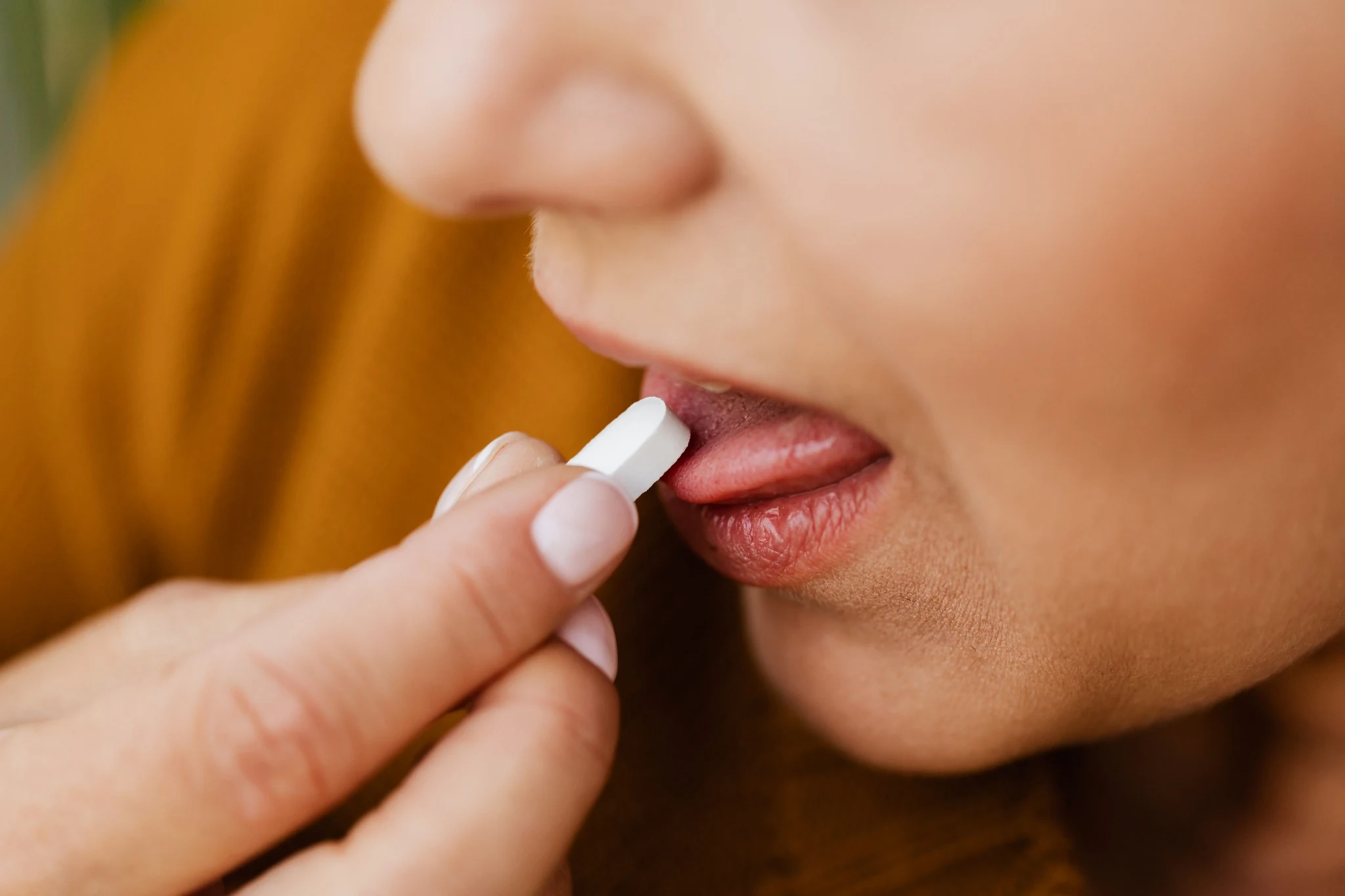
For the majority of people, these effects are mild to moderate and ease up as the body adjusts. A smaller number of side effects are more serious and worth knowing about before you start, or if you’re already on the medication and something feels off.
Key takeaways
- Nausea, stomach pain, diarrhea, decreased appetite, vomiting, and constipation are the most commonly reported Rybelsus side effects, especially early in treatment or after a dose increase.
- Most digestive side effects improve within a few weeks as your body adjusts, and simple changes to how and what you eat can help.
- Serious but rare risks include pancreatitis, gallbladder problems, and, in animal studies, thyroid tumors, which is why Rybelsus isn’t prescribed to anyone with a personal or family history of certain thyroid cancers.
- Persistent vomiting, severe abdominal pain, or signs of an allergic reaction are reasons to contact your provider promptly rather than waiting it out.
Common digestive side effects
Digestive side effects are by far the most frequently reported, which makes sense given that Rybelsus works partly by slowing down how quickly your stomach empties. Nausea is the single most common complaint, particularly in the first 30 days on the starting dose and again after each dose increase. Diarrhea, constipation, and a noticeably reduced appetite are also common, and some people experience a mix of these rather than just one.
These effects are usually most intense in the days immediately following a dose change, then settle down as your body adjusts to that dose. This is exactly why Rybelsus, like most GLP-1 medications, starts at a low, non-therapeutic dose and increases gradually rather than starting at a full treatment dose right away.
Managing digestive side effects
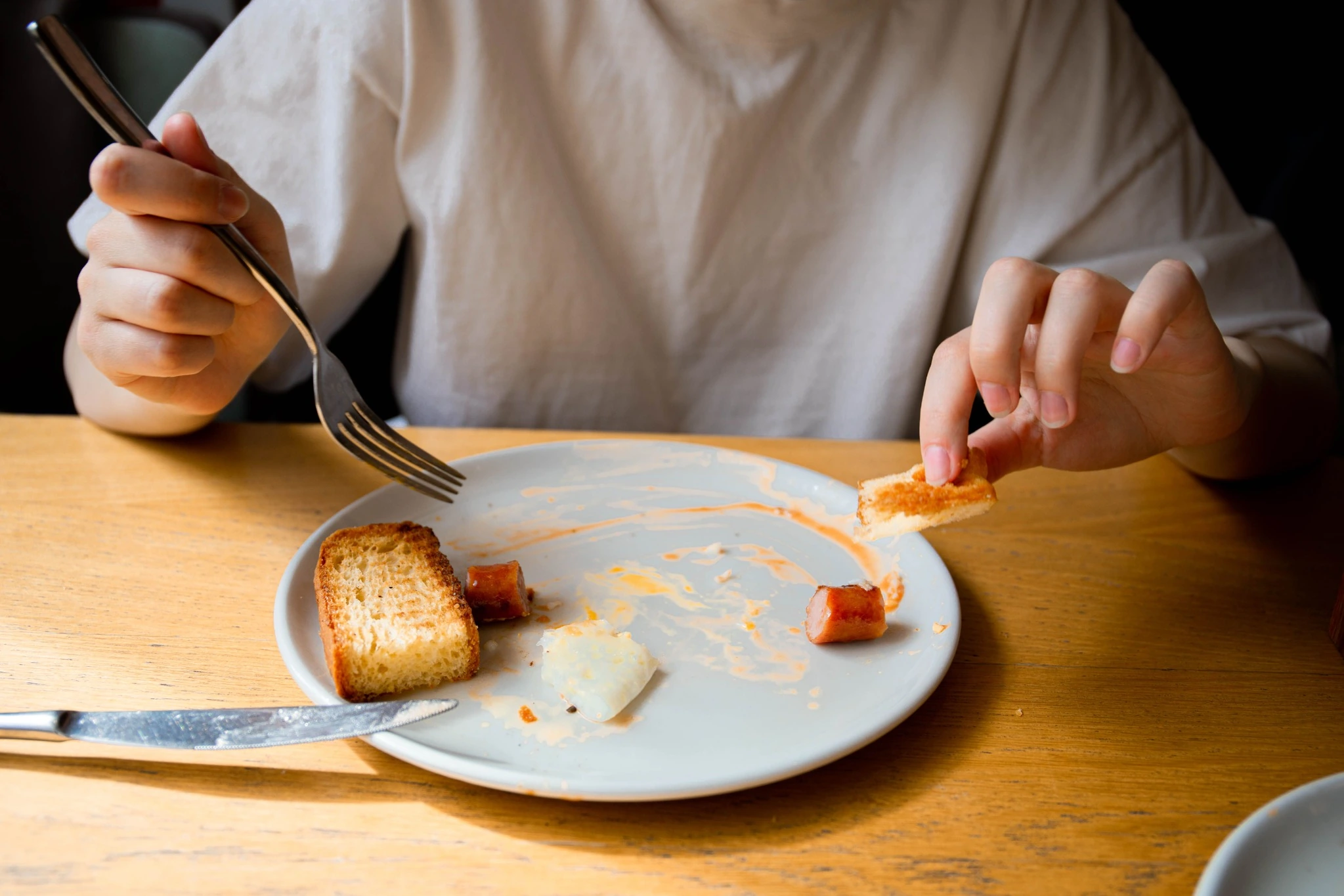
A few practical adjustments tend to help most people get through the adjustment period more comfortably.
- Eat smaller, more frequent meals rather than three large ones, since a full stomach combined with slowed digestion is a common nausea trigger.
- Stick to bland, low-fat foods when nausea is at its worst. Toast, crackers, rice, and bananas tend to be easier to tolerate than greasy or heavily seasoned meals.
- Stay hydrated, especially if you’re experiencing diarrhea or vomiting, since dehydration can make nausea feel worse.
- Avoid lying down right after eating, which can worsen reflux-type discomfort for some people.
- Give each dose increase a few weeks before deciding it’s not tolerable, since side effects at a new dose are often at their worst in the first several days.
If digestive side effects are severe enough to interfere with daily life or eating and drinking enough to stay hydrated, that’s worth a call to your provider rather than pushing through on your own.
Less common but more serious risks
Beyond the digestive side effects, there are a few less common risks worth being aware of. Pancreatitis, inflammation of the pancreas, is a rare but serious risk associated with GLP-1 medications, and it typically presents as severe, persistent abdominal pain, sometimes radiating to the back, along with nausea and vomiting that doesn’t improve. Gallbladder problems, including gallstones, have also been reported.
In animal studies, semaglutide was associated with thyroid C-cell tumors, which is why Rybelsus carries a warning about thyroid tumors and is contraindicated in anyone with a personal or family history of medullary thyroid carcinoma or Multiple Endocrine Neoplasia syndrome type 2. It isn’t yet known whether this risk applies to humans in the same way it did in animal studies, but it’s taken seriously enough to affect who is and isn’t a candidate for the medication.
When to contact your provider

Most side effects are manageable and expected, but a few signs warrant reaching out to your provider rather than waiting to see if they pass on their own.
- Severe or persistent abdominal pain, particularly if it radiates to your back
- Vomiting that doesn’t let you keep food or fluids down
- Signs of an allergic reaction, such as swelling of the face or throat, difficulty breathing, or a widespread rash
- A lump or swelling in your neck, hoarseness, or difficulty swallowing
- Vision changes, which can occasionally occur with rapid improvements in blood sugar control
Your provider can help determine whether a side effect is a normal part of the adjustment process or something that needs a change in dose or approach.
Getting support while on Rybelsus
Ongoing side effects don’t necessarily mean Rybelsus isn’t the right medication for you. Sometimes a slower dose increase, a longer stretch at your current dose, or simple dietary adjustments are enough to make the medication manageable long term. At DermOnDemand, follow-up care is built into your treatment plan, so you have somewhere to bring questions as your body adjusts rather than managing side effects on your own.
Frequently asked questions
How long do Rybelsus side effects typically last?
Most digestive side effects improve within the first few weeks at a given dose. If side effects are still significant after several weeks, or worsen rather than improve, it’s worth discussing with your provider.
Can I take anti-nausea medication with Rybelsus?
Talk to your provider before adding any over-the-counter or prescription medication, since Rybelsus can affect how well other oral medications are absorbed. Your provider can recommend an approach that’s safe alongside your current treatment.
Do side effects mean the medication is working?
Not necessarily. Side effects and effectiveness aren’t directly linked, and some people see strong blood sugar improvements with minimal side effects while others experience more noticeable side effects with a similar response.
Have questions about starting or adjusting to Rybelsus? Start an online consultation with DermOnDemand, or learn more on our Rybelsus page.