Key Takeaways
- Diet can affect rosacea by influencing flares, but it cannot cure the condition or replace medical treatment.
- Hot drinks, alcohol, and spicy foods are the most commonly reported triggers, and the 2005 National Rosacea Society survey found 95% of respondents who changed their diet saw fewer flares.
- The evidence is mostly based on patient surveys and small studies, so results vary from person to person.
- Finding your own triggers works best with a food diary and a one-month elimination followed by slow reintroduction of one food at a time.
- Stress, sun, heat, and certain skin care products can also trigger flares, so diet is only one part of managing rosacea.
Can Diet Affect Rosacea
Yes, diet can affect rosacea, but it acts as a trigger, not a cause. Certain foods and beverages play a role in how often flares happen. Diet supports medical care and does not replace it.
Can You Cure Rosacea With Diet
Can you cure rosacea with diet? No. Rosacea is a common skin condition of unknown origin, so no eating plan removes it. Diet may reduce flares and help with managing rosacea over the long term.
How Strong Is the Evidence
Most evidence comes from patient surveys, not controlled trials. In a National Rosacea Society survey of more than 400 patients, 95% of those who changed their diet reported fewer flares. The survey dates from 2005 and relies on self-report. Reviews note few well-designed studies, so treat findings as a guide.
What Rosacea Looks Like
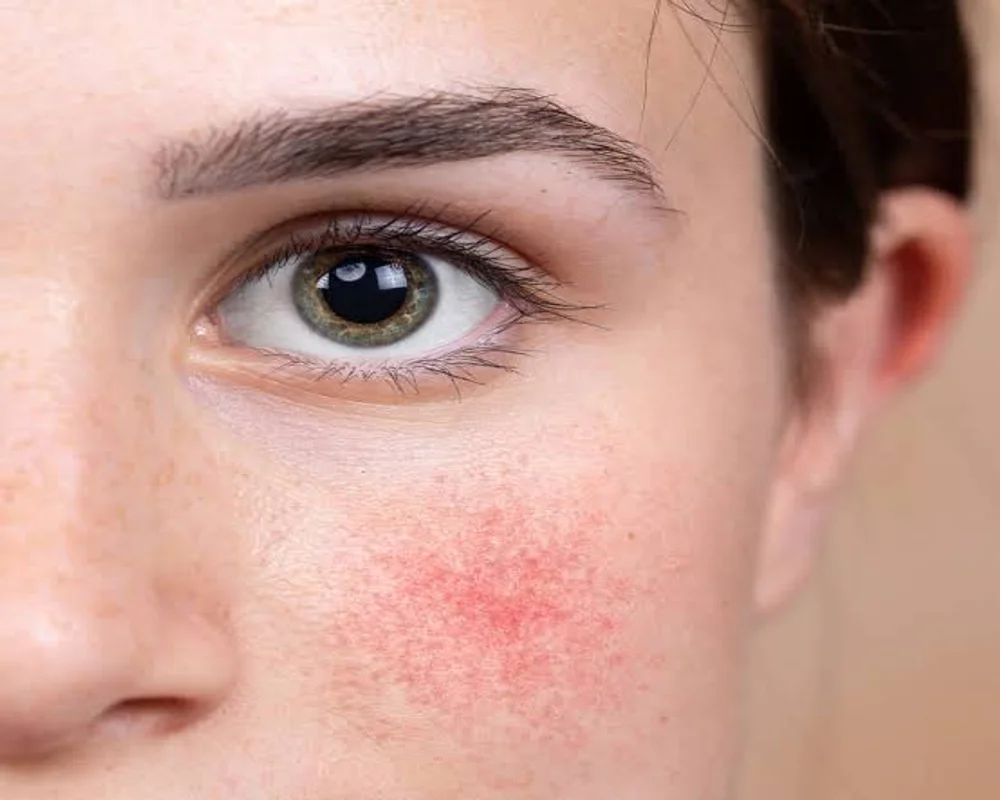
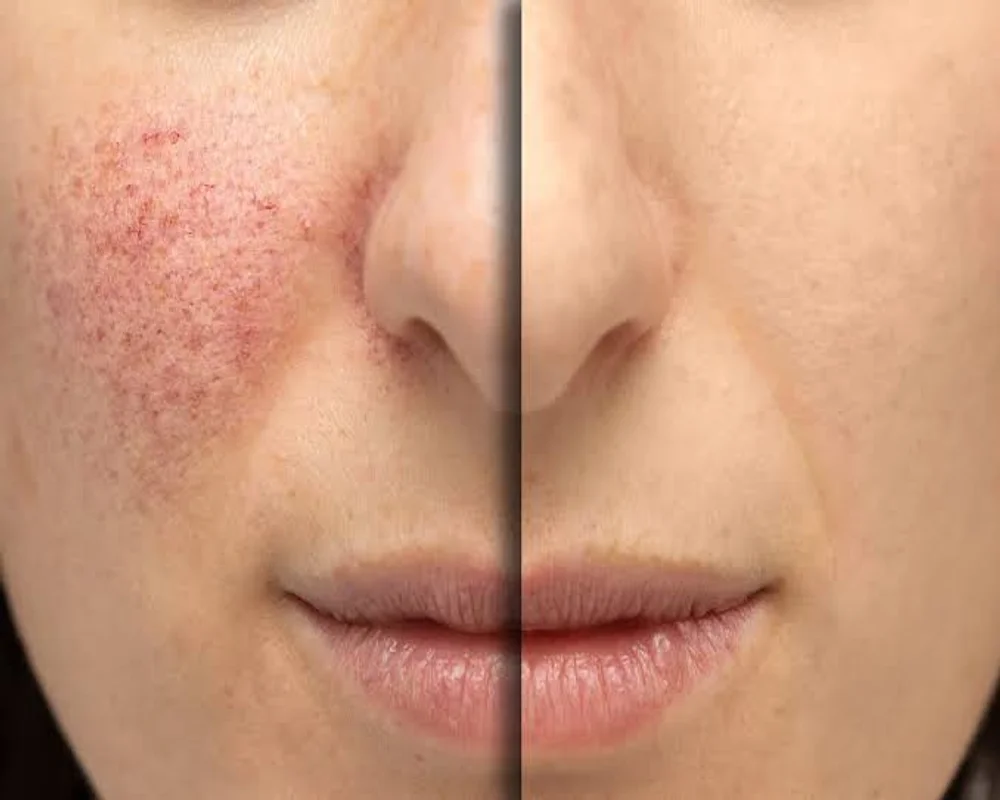
Rosacea is a chronic inflammatory skin condition of the central face. It causes facial redness, flushing, bumps, and sometimes visible blood vessels. Symptoms of rosacea come and go, and heat, sun, and some foods bring them back.
What Should Someone With Rosacea Avoid
Triggers include heat, alcohol, hot peppers, and compounds in some produce. Researchers group these rosacea triggers into four types: heat, alcohol, capsaicin, and cinnamaldehyde. A food diary helps find yours.
Hot Drinks and Hot Foods
Hot beverages such as coffee and tea can raise body temperature and cause flushing. In the survey, 33% named hot coffee as a trigger. Iced versions are an easy test.
Alcohol
Alcohol widens blood vessels and ranks among the most reported triggers. Wine led the survey at 52%, followed by hard liquor at 42% and beer at 30%. Each can trigger rosacea symptoms in some people.
Spicy Foods With Capsaicin
Capsaicin gives chili peppers their heat and activates heat sensors in the skin. Spices topped the survey at 75%, and hot sauce followed at 54%. Spicy foods, alcohol, and hot drinks drive many rosacea flares.
Foods With Cinnamaldehyde
Cinnamaldehyde is a compound in cinnamon, tomatoes, citrus, and chocolate. In the survey, 30% named tomatoes, 23% chocolate, and 22% citrus. Test these one at a time.
Why These Foods Trigger Flares
One proposed mechanism involves transient receptor potential (TRP) channels in the skin. Heat, capsaicin, and cinnamaldehyde can activate them, which widens facial blood vessels. That shared pathway may explain why different foods cause the same flare.
What Foods Calm Down Rosacea
Anti-Inflammatory Diet for Rosacea
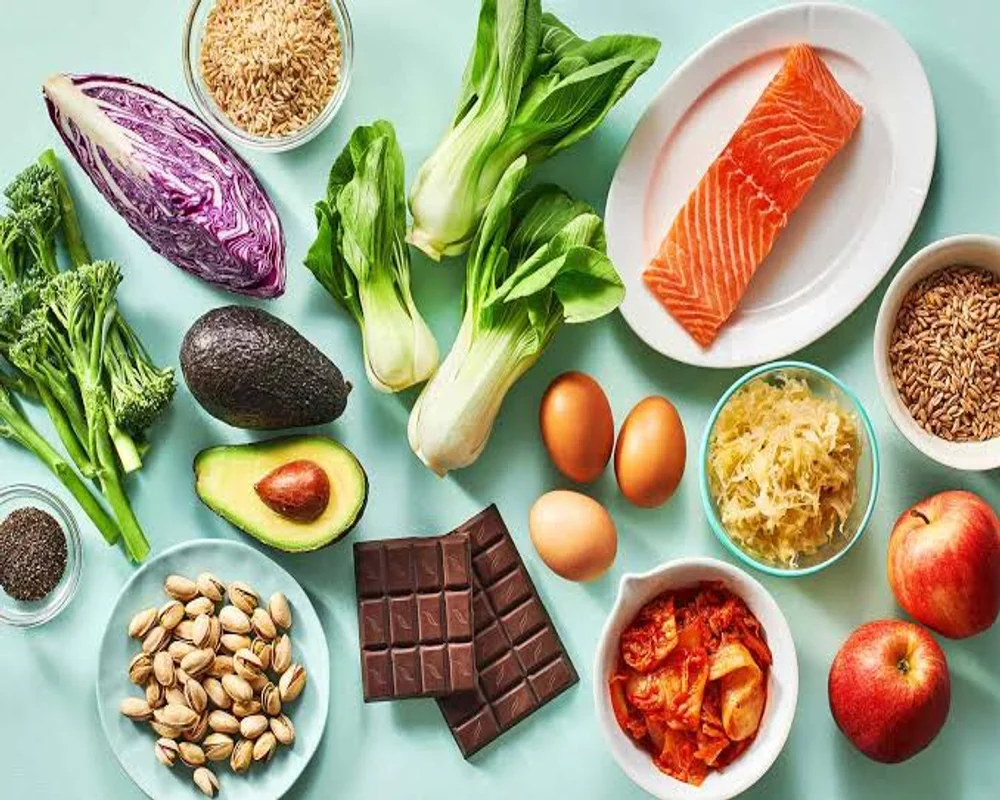
An anti-inflammatory diet for rosacea centers on fruits and vegetables, whole grains, and fatty fish. Omega-3 fatty acids may protect against ocular rosacea, an eye form. These foods may support skin health, but none removes rosacea.
Gut Health, Prebiotics, and Probiotics
Researchers are studying whether the gut microbiome plays a part in rosacea. Studies describe rosacea patients reporting more digestive problems than others. Fiber-rich foods and fermented foods, such as yogurt and kefir, may support a healthy gut, though benefits are unproven.
H. pylori and SIBO
A 2024 meta-analysis found Helicobacter pylori infection more common in people with rosacea. One study found improved rosacea after successful treatment of small intestinal bacterial overgrowth (SIBO). Neither finding proves causation.
Do Supplements Help Rosacea
Zinc and omega-3 fatty acids are sometimes suggested for anti-inflammatory effects and skin barrier support. Evidence is limited, and supplements do not replace treatment. Check with a board-certified dermatologist first.
Rosacea Diet Food List: Good and Bad Foods
This list of good and bad foods for rosacea is a starting point. Living with rosacea means learning your own triggers. Right-column foods trigger some people, not all.