
This guide explains what studies show about coffee and rosacea, why temperature can trigger flushing, and how to find your own triggers. The explanations draw on dermatology research reviewed by Dr. Alicia Atkins, a board-certified dermatologist with DermOnDemand.
Key Takeaways
- Coffee does not appear to worsen rosacea for most people, and the heat of a hot drink is the more likely flare trigger.
- In a large study of women, four or more daily cups of caffeinated coffee was linked to a 23% lower risk of developing rosacea, but this observational finding does not prove cause and effect.
- Decaffeinated coffee showed no protective link, and other caffeine sources like tea and soda did not show one either.
- Sun exposure, emotional stress, and hot weather rank as the most common triggers in a National Rosacea Society survey, ahead of hot beverages.
- Keeping a symptom diary and changing one suspected trigger at a time is the most practical way to find your own triggers.
Can Coffee Make Rosacea Worse
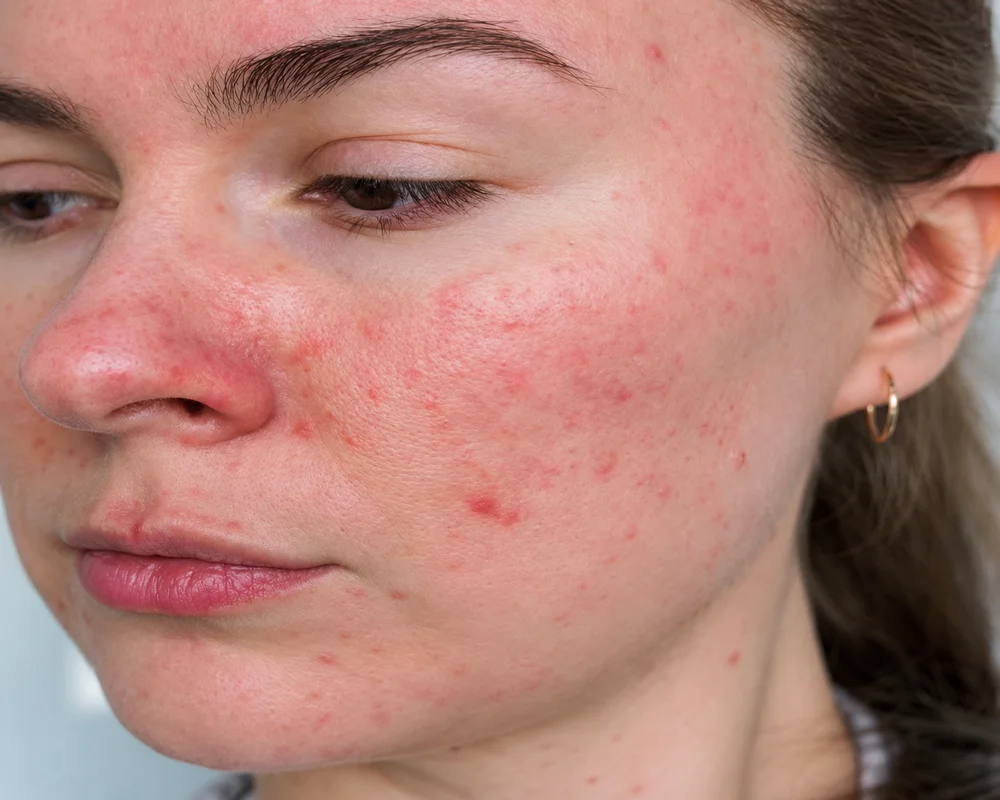
Coffee itself does not appear to make rosacea worse for most people. The National Rosacea Society lists coffee or caffeine as the number one myth about rosacea. The heat of a drink is the more likely problem. A hot cup can raise skin temperature and lead to flushing, while the coffee inside it may not be the cause.
Coffee Consumption and Rosacea Research
For years, doctors assumed coffee consumption and rosacea were linked. Recent research questioned that assumption and found the opposite pattern in a large group of women.
The Nurses’ Health Study II Findings
Researchers used data from the Nurses’ Health Study II to study caffeine and this skin disease. The study followed 82,737 women, and those who drank four or more cups of coffee per day were 23% less likely to develop rosacea.
A dose-response pattern appeared for both caffeine and coffee intake. Higher caffeinated coffee consumption tracked with a lower risk of rosacea.
Why Decaf Showed No Link
The protective pattern did not extend to every source of caffeine. Decaffeinated coffee was not associated with decreased rosacea risk, and caffeine from coffee, tea, soda, and chocolate showed no significant effect. Only caffeinated coffee carried the link. This suggests something beyond caffeine alone may be at work.
Conflicting Studies and Limits
The findings come with real limits. An earlier case-control study from Poland reported an increased risk of rosacea among coffee drinkers, which points the other way. The large study was observational, so it cannot prove cause and effect. It also did not look at whether coffee helps people who already have rosacea.
Hot Drinks and Rosacea Flare-Ups
Temperature is the part of hot beverages most tied to rosacea flares. This helps explain why the drink and its ingredients can pull in different directions.
How Heat Widens Blood Vessels
Heat causes blood vessels in the face to widen, which brings redness and warmth. One theory holds that the vasoconstrictive effect of caffeine may counter the vasodilation from a hot drink. Over time, repeated flushing can make visible blood vessels more noticeable.
Hot vs. Iced Coffee and Tea
If hot drinks trigger your rosacea symptoms, the temperature is easy to adjust. You can let a drink cool, drink less of it, or switch to iced coffee or iced tea. Many people tolerate cold versions well.
Coffee and Rosacea Types
Rosacea takes different forms, and coffee relates to each one a little differently.
Acne Rosacea and Coffee
Acne rosacea refers to the form with bumps and pimples alongside redness. The link between acne rosacea and coffee is not well established. Watch the heat of your drink rather than the coffee itself.
Coffee and Ocular Rosacea
Ocular rosacea affects the eyes and eyelids. It occurs in about half of people with skin rosacea. Evidence on coffee and ocular rosacea is thin. Research on caffeine and dry eye is mixed, with one large study linking caffeine to more dry eye symptoms but a lower risk of diagnosis.
Does Quitting Coffee Help Rosacea or Skin
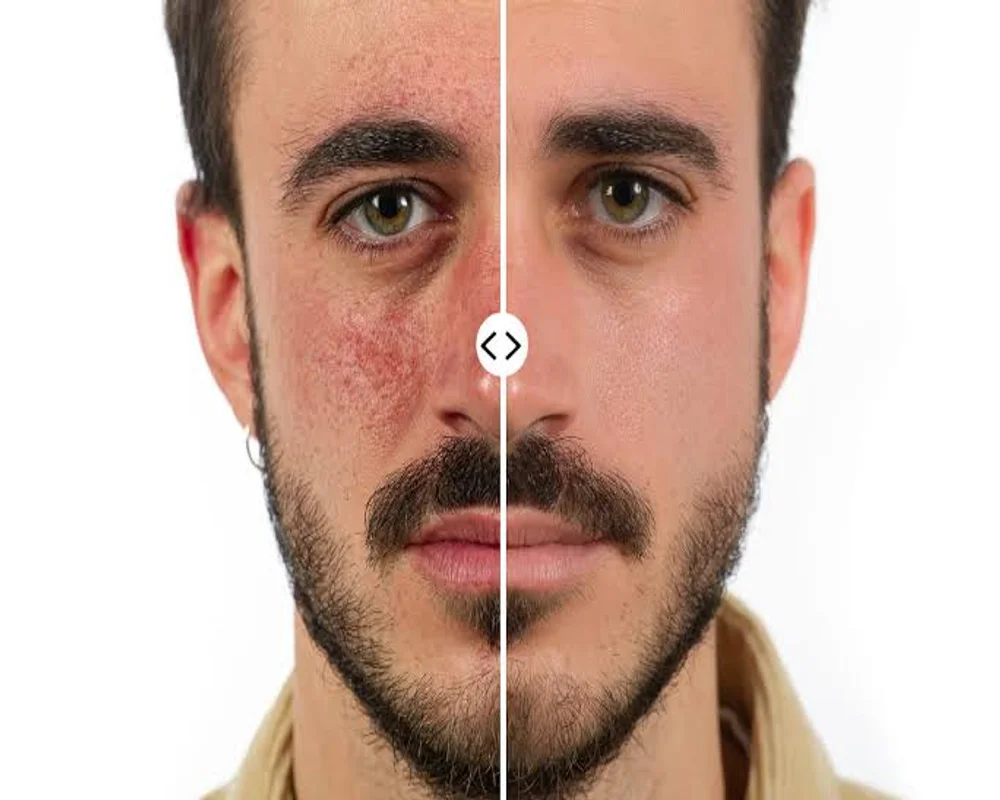
There is little direct evidence that quitting coffee improves rosacea or skin over the long term. The research measured who developed rosacea, not what happens after you stop drinking coffee. If hot coffee reliably causes your flushing, a cold version may help more than quitting.
What Is the Biggest Rosacea Trigger
Coffee ranks low among rosacea triggers. A survey by the National Rosacea Society points to other factors.
Sun, Stress, and Weather
In a survey of 1,066 patients, sun exposure (81%), emotional stress (79%), and hot weather (75%) were the top three triggers.
Food and Drink Triggers
Alcohol intake affected 52% of patients, spicy foods 45%, and heated beverages 36%. Food and drink rank below sun and stress, but diet can still influence rosacea flares.
How to Find Your Triggers
Keep a simple diary. Note what you eat, drink, and do, then record when flares happen. Remove one suspected item at a time and watch for change. Food diaries and supervised elimination diets are common ways to identify individual triggers, though research on diet’s role in rosacea is still developing.
Rosacea Treatment and Daily Skin Care
Rosacea has no cure, but treatment and skin care can control it.
Medical Treatments for Redness and Bumps
Options include topical gels for bumps and redness, oral antibiotics for inflammation, and pulsed dye laser for redness and visible vessels. A dermatologist matches treatment to your type.
Sun Protection and Gentle Cleansing
Use gentle cleansers, rinse with lukewarm water, and apply SPF 30 or higher daily. Daily habits reduce flares.
When to See a Dermatologist
See a dermatologist if redness, bumps, or flushing persist or worsen. Eye irritation, pain, or vision changes need prompt attention. A clinician can confirm rosacea and build a plan. If you want a dermatologist’s review, you can start an online dermatology visit by completing a short intake form and uploading photos.