These shampoos clean the scalp, calm redness, and reduce the oil that feeds new breakouts. Mild cases often improve within two to four weeks. If bumps are painful, spreading, or keep returning, a dermatologist can tell you which cause you are dealing with.
At DermOnDemand, Dr. Alicia Atkins and a board-certified dermatologist review every treatment plan to understand how bacterial or fungal inflammation affects the hair follicle.
This guide covers what causes scalp folliculitis, the best shampoo options, how to use them, and when you need professional care.
Show Image
Top 10 Best Shampoos for Scalp Folliculitis
What is the best shampoo for folliculitis? Match it to the cause: antibacterial for bacterial bumps, antifungal for yeast-related bumps. These ten cover both, plus mild cases.
- CLn Shampoo for Folliculitis is a sodium hypochlorite formula, marketed as dermatologist-developed, that targets bacteria, reduces oil, and calms redness.
- PHARMBANNER Folliculitis Shampoo is an antibacterial blend marketed for scalp folliculitis and itchy, irritated scalps.
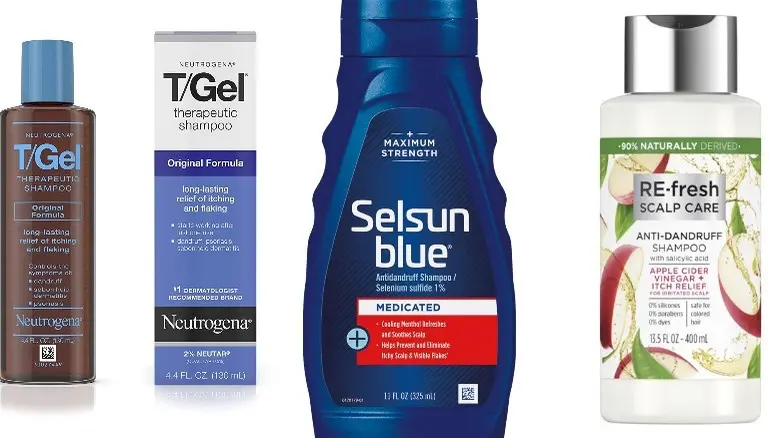
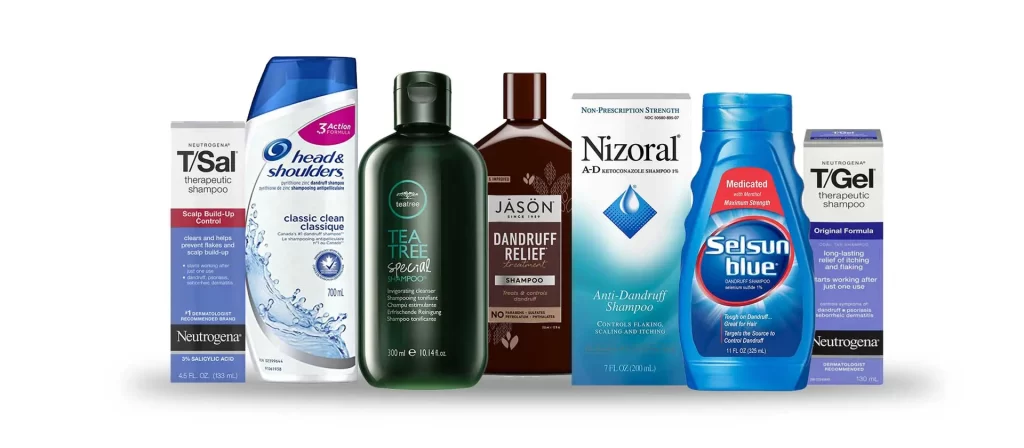
- Nizoral Anti-Dandruff (Ketoconazole 1%) is an antifungal shampoo that treats fungal infections and dandruff, which often go along with scalp folliculitis.
- Tea Tree Special Shampoo (Paul Mitchell) is a gentle option with tea tree oil to fight microbes and soothe itching.
- Neutrogena T/Sal Therapeutic Shampoo-Scalp Build-up Control uses salicylic acid to exfoliate dead skin, unclog the hair follicle, and reduce bumps.
- DHS Zinc Shampoo contains zinc pyrithione to calm redness and control bacteria and yeast on the scalp.
- Head & Shoulders Clinical Strength Dandruff Shampoo is a selenium sulfide dandruff shampoo that can help control mild cases of folliculitis.
- Ovante Folliculit Solution Shampoo combines sulfur and herbal extracts and is marketed for bacterial or fungal scalp conditions.
- PURA D’OR Scalp Therapy Shampoo is a plant-based formula that aims to reduce itching and support the scalp after inflammation.
- Selsun Blue Medicated Antidandruff Shampoo contains selenium sulfide, which targets yeast and fungal buildup and can calm irritated, red bumps.
These products are commonly part of dermatologist-recommended shampoo regimens for folliculitis. You can use them alongside oral antibiotics if your dermatologist prescribes them.
Understanding Folliculitis on the Scalp
Why folliculitis develops and how it spreads
Folliculitis is a hair follicle infection that starts when bacteria or fungus get into a follicle. It looks like small pimples or red spots on the scalp. The most common cause is Staphylococcus aureus, but fungal infections and tight hats or helmets can also trigger it.
The infection can spread when microbes grow inside a blocked follicle. A weak immune system, extra oil, or scratching can make it worse. Poorly cleaned hot tubs and shared combs can also pass germs along when the scalp is already irritated.
A hair follicle infection shampoo works best when it matches the cause, so it helps to know whether bacteria or fungus is behind your bumps.
Common triggers and daily habits that worsen it
Sweating, infrequent washing, or harsh products can trap bacteria and fungus. Tight hairstyles and dirty hats add irritation. Sharing towels or brushes spreads infection. Washing gently and keeping the scalp clean helps prevent flare-ups.
Scalp acne vs folliculitis
Scalp acne and folliculitis look alike: small red or pus-filled bumps along the hairline or crown. Acne comes from clogged pores and oil, while folliculitis comes from an irritated or infected follicle. The two can overlap.
A dermatologist-recommended shampoo for scalp acne usually contains salicylic acid or benzoyl peroxide, the same ingredients that help folliculitis. If the bumps are small, uniform, itchy, and keep returning, ask about a fungal cause, since yeast folliculitis can pass for acne.
Can folliculitis cause hair loss?
Most superficial folliculitis heals without scarring, and hair usually regrows once the follicle calms down. The best shampoo for folliculitis and hair loss is one that treats the underlying infection. Deep or repeated flares can scar the follicle and cause permanent loss.
Folliculitis decalvans is the main scarring type. Shampoo alone does not treat it, and the best shampoo for folliculitis decalvans plays only a supporting role next to prescription care such as antibiotics or isotretinoin. Early treatment protects the hair you still have. Learn more about hair loss treatment options.
What Dermatologists Recommend for Scalp Folliculitis
Key ingredients that calm and protect the scalp
Dermatologists choose antimicrobial shampoos that fight germs without drying out the scalp. The goal is to clean, reduce swelling, and stop new bumps.
Look for these ingredients:
- Sodium hypochlorite or benzoyl peroxide: kill germs that cause bacterial folliculitis.
- Ketoconazole, zinc pyrithione, or selenium sulfide: treat fungal infections and dandruff conditions. For ongoing scalp maintenance, you can read about the best anti-dandruff shampoo suggested by dermatologists to support a balanced scalp.
- Tea tree oil: a natural germ-fighter that soothes the skin.
- Salicylic acid: removes dead skin and clears blocked follicles.
These ingredients help in mild cases and prevent future problems.
Antifungal vs antibacterial shampoos: which works best?
The best shampoo for fungal folliculitis is an antifungal, such as ketoconazole shampoo for folliculitis. Selenium sulfide shampoo also works in most cases, and weekly use can help stop it from coming back.
An antibacterial shampoo for folliculitis works better when bacteria drive the bumps, for example after sweating, shaving, or soaking in an unclean hot tub. A dermatologist can tell which one fits your scalp.
Is there an antibiotic shampoo for folliculitis?
Not in the way most people expect. Over-the-counter shampoos are antibacterial or antifungal, not true antibiotics. Antibiotics for folliculitis come as prescription topicals, such as clindamycin, or as pills, such as doxycycline.
Dermatologists keep these for deeper, widespread, or stubborn cases, and topical courses are kept short to limit resistance.
Over-the-counter vs prescription medicated shampoo
A medicated shampoo for folliculitis contains an active ingredient that treats the cause, not just the itch. Over-the-counter options include ketoconazole 1%, zinc pyrithione, selenium sulfide, and salicylic acid.
If store-bought shampoos stop working, a dermatologist can prescribe stronger options, such as ketoconazole shampoo 2%.
How to Use Shampoo for Folliculitis Effectively
Step-by-step washing routine
Use your shampoo for scalp folliculitis regularly for the best results.
- Wet your scalp with warm water.
- Apply the shampoo and massage for 2 to 3 minutes, or leave it on as long as the label says.
- Rinse well and dry with a clean towel.
- Use it two or three times a week, or as your dermatologist suggests.
Do you need a conditioner?
The best shampoo and conditioner for folliculitis are lightweight, fragrance-free, and labeled non-comedogenic. Apply conditioner to the lengths of your hair, not the scalp, and rinse well.
Avoid heavy conditioners, oils, and leave-in products on infected spots. They can trap oil and slow healing.
Mistakes that delay recovery
Avoid scratching or picking at bumps. Don’t wash too often or share hats, brushes, or pillowcases. These habits spread germs and slow healing.
How long does it take to see results?
Most people see improvement after two to four weeks of regular use. Fungal folliculitis can take longer and often returns, so a weekly maintenance wash may help. Severe cases may require stronger oral antibiotics, and oral isotretinoin is sometimes used for stubborn or scarring types if shampoos alone are not enough.
Treating Folliculitis Safely in Children and Pregnancy
Gentle care for children’s scalps
Kids have more sensitive skin. Dermatologists recommend mild, alcohol-free shampoos. For mild cases, a soft dandruff shampoo or antibacterial wash is often enough. Check with your child’s doctor before using medicated shampoos.
Safe ingredients during pregnancy
Pregnancy can trigger red bumps on the scalp. Zinc pyrithione shampoos are generally considered low risk. Ask your OB or dermatologist before using tea tree oil or medicated shampoos, and avoid strong antifungals unless a doctor approves.
If the infection spreads, an online consultation helps ensure safe treatment.
When to See a Dermatologist Online
Warning signs that need prescription care
Seek expert evaluation if bumps are painful, crusted, or spreading quickly. Persistent hair loss, deep pustules, or scarring may signal chronic or eosinophilic folliculitis.
What to expect from an online consultation
A dermatologist reviews your photos and medical history online. They may prescribe topical or oral medicine to control bacterial folliculitis or fungal infections. For stubborn or scarring cases, oral isotretinoin may help lower swelling. Learn more about the differences between isotretinoin and tretinoin in our detailed guide.
DermOnDemand: Fast, Discreet Dermatology Care
Get a dermatologist-reviewed plan within 24 hours.
At DermOnDemand, experts like Dr. Alicia Atkins create custom treatment plans for scalp folliculitis. You can get prescriptions for medicated shampoo or oral treatments within 24 hours, without needing a clinic visit.
Your medicines are shipped to your home, making care private and easy. Whether you have bacterial folliculitis or a fungal infection, DermOnDemand provides expert-guided treatment to help your scalp heal quickly and safely.
Take control of your scalp health today. Get a personalized treatment plan reviewed by a board-certified dermatologist at DermOnDemand- no waiting rooms, no delays.