What is Post-Accutane Syndrome?
Post-Accutane Syndrome is an unofficial and debated term used to describe persistent symptoms that some people report after stopping isotretinoin, the medication once sold under the brand name Accutane.
Although isotretinoin usually leaves the body within weeks, post accutane syndrome refers to symptoms that may continue for months or years after treatment ends. Reported symptoms can include sexual dysfunction, mood changes, fatigue, joint or muscle pain, digestive issues, dry eyes, and other long-term concerns.
The term is not a formal medical diagnosis, and researchers still debate how often these symptoms happen, why they occur, and whether isotretinoin directly causes every reported case.
Is Post-Accutane Syndrome Recognized?
Patient-Reported Symptoms
Patients report a wide range of post-acne symptoms. These may include dry skin, hair shedding, low mood, brain fog, changes in sexual function, joint pain, dry eyes, and digestive changes. Some people also report that symptoms began during treatment and continued after stopping.
Current Medical Evidence
Medical evidence supports many common side effects during isotretinoin use, including dry lips, dry skin, dry eyes, nosebleeds, joint pain, and changes in mood for some patients.
Product information and safety reviews also discuss psychiatric symptoms and sexual function concerns as possible adverse effects. Research on persistent symptoms after stopping treatment is more limited.
What Remains Unclear
Doctors do not yet have one proven explanation for all symptoms grouped under this term. Some symptoms may be related to isotretinoin, while others may stem from acne itself, stress, hormones, other medications, or unrelated skin conditions. This is why careful evaluation matters.
What Are Post-Accutane Symptoms?
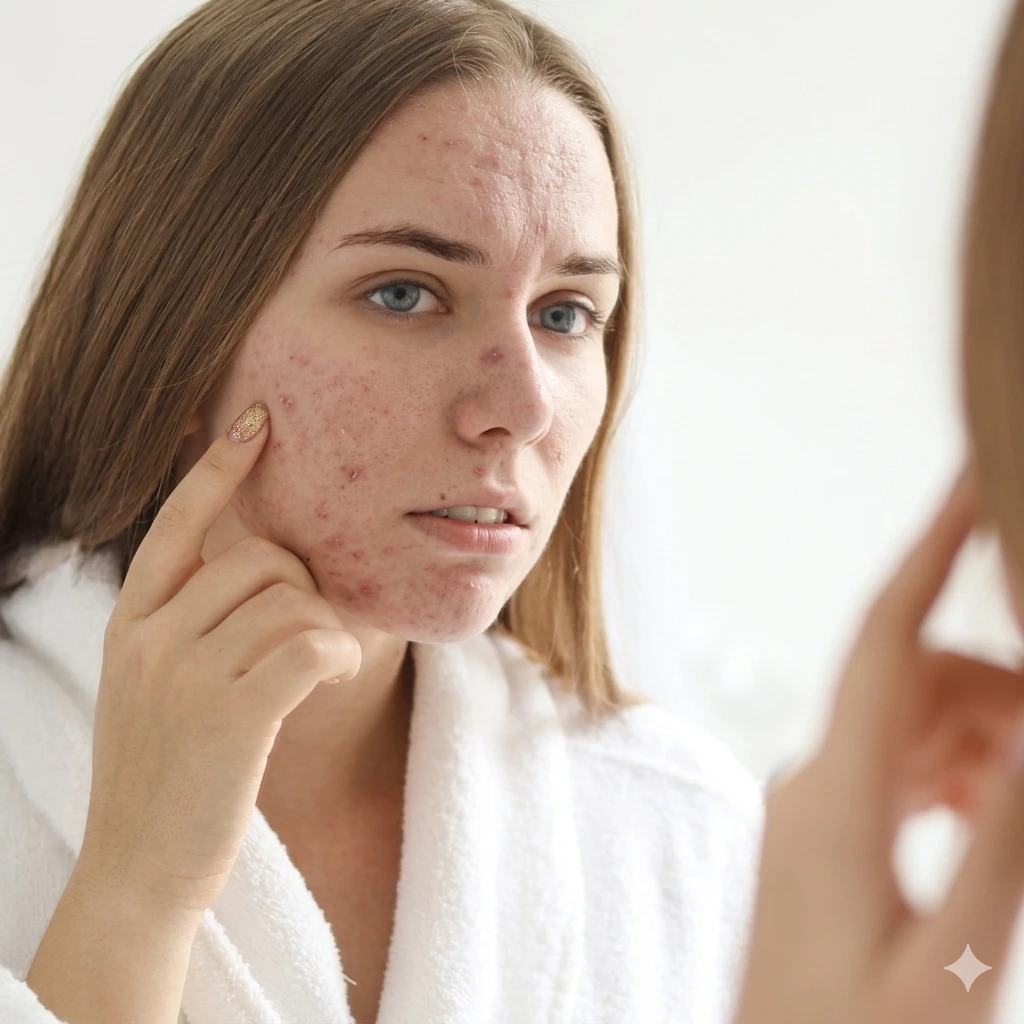
Post Accutane Skin Changes
Skin may feel drier or more sensitive during and after isotretinoin. This happens because isotretinoin reduces oil gland activity. For many people, dryness improves after treatment ends, but some need ongoing skin barrier care.
Post Accutane Breakout
A post-Accutane breakout can happen if acne returns after treatment. This does not always mean treatment failed. Acne can come back because of hormones, genetics, oil production, or incomplete long-term control.
Mood and Brain Symptoms
Some patients report depression, anxiety, irritability, low motivation, or brain fog. Acne itself can also affect mood and self-esteem, which can make cause and effect hard to separate. Persistent mood symptoms should be taken seriously and reviewed by a clinician.
Accutane Sexual Side Effects
Accutane sexual side effects may include reduced libido, erectile dysfunction, vaginal dryness, or orgasm changes. Safety reviews have discussed sexual adverse effects, but long-term risk and cause remain under study. Patients should report these symptoms because they may need medical, hormonal, urologic, or gynecologic evaluation.
Eye, Joint, and Digestive Symptoms
Isotretinoin can cause dry eyes, joint pain, muscle discomfort, and digestive symptoms in some patients. Severe diarrhea, blood in stool, major vision changes, or severe pain need prompt medical review. These symptoms may have causes beyond isotretinoin.
Long-Term Effects and Recovery After Accutane
Does Accutane Have Long-Term Effects?
Many readers ask, Does Accutane have long-term effects? Some effects are known, especially pregnancy-related risk during treatment and shortly after stopping, which is why strict pregnancy prevention rules exist. Other long-term symptoms are reported, but not all have clear proof or predictable patterns.
What Are the Permanent Side Effects of Accutane?
The word permanent can create fear, so it should be used with care. Some patients report persistent symptoms, but persistence does not prove that every symptom is permanent or caused by isotretinoin. A clinician can help rule out other causes and guide testing.
You may also be interested in: Long-Term Accutane Effects: What Patients Should Know
Will Your Body Go Back to Normal After Accutane?
Many treatment-related effects improve after isotretinoin stops. Dryness, lip irritation, and skin sensitivity often improve as oil production returns. Recovery varies by symptom, dose, medical history, and other health factors.
Post Accutane Syndrome Recovery
Recovery may take weeks for some symptoms and longer for others. Skin and eye dryness may improve with barrier repair, lubricating drops, and time. Mood, sexual, joint, or digestive symptoms need a broader medical review if they persist.
When Symptoms Need Evaluation
Symptoms need evaluation when they last, worsen, or affect daily life. Mood changes, sexual dysfunction, bowel changes, vision problems, and severe joint pain should not be dismissed. Medical review can help identify treatable causes.
Do Hormones Go Back to Normal After Accutane?
Oil Glands and Acne
Isotretinoin mainly affects oil glands, not hormones. It lowers oil production and reduces acne-related inflammation. If acne returns, hormones may still play a role.
Hormones and Isotretinoin
Isotretinoin is not a hormone treatment. It may improve acne even when hormones contribute to breakouts. Ongoing acne after treatment may need evaluation for hormonal acne, especially in adults.
When Testing May Help
Testing may help when acne returns with irregular periods, excess facial hair, hair thinning, or sudden changes. A clinician may consider thyroid, androgen, or other hormone-related tests. Testing depends on symptoms and medical history.
Does Accutane Depression Go Away?
Mood Changes During Treatment
Mood changes can happen during isotretinoin treatment, but they do not affect every patient. Depression, anxiety, or thoughts of self-harm require immediate medical attention. Patients should tell their prescriber about any mental health history before treatment.
Persistent Mood Symptoms
Some people report mood symptoms after stopping treatment. These symptoms may have several causes, including acne-related stress, sleep problems, medication effects, or an underlying mood disorder. A mental health evaluation can help determine the safest course of care.
When to Seek Mental Health Care
Seek care right away for suicidal thoughts, severe depression, panic, sudden personality changes, or loss of daily function. Do not wait for symptoms to “prove” a cause. Safety comes first.
You may also be interested in: Accutane Timeline: What to Expect Month by Month
What Causes Post-Accutane Symptoms?
Possible Biological Factors
Possible factors include changes in oil glands, skin barrier disruption, inflammation, nervous system effects, mood biology, and individual sensitivity. Research has explored several pathways. No single pathway explains every reported symptom.
Research Limits
Current research does not prove a single syndrome with a single cause and a single treatment. Some studies are small, observational, or based on self-reported symptoms. This limits what doctors can say with certainty.
Post-Accutane Syndrome Treatment Options
Skin and Hair Care
Skin care often focuses on barrier repair, gentle cleansing, sunscreen, and avoiding harsh exfoliants. Hair shedding may require evaluation for iron levels, thyroid disease, stress, or androgenetic alopecia. Treatment depends on the cause.
Mood and Sleep Support
Mood care may include therapy, sleep support, medication review, or psychiatric care. Sleep problems can make mood and brain fog worse. A structured review helps separate overlapping causes.
Sexual Health Care
Sexual symptoms may need hormonal testing, medication review, pelvic health care, urology, or gynecology input. Treatment should match the specific symptom. There is no single proven treatment for all cases.
Eye, Joint, and Digestive Care
Dry eyes may need lubricating drops or an eye care evaluation. Joint pain may need activity changes, labs, or referral if severe. Digestive symptoms need medical review if they include pain, bleeding, weight loss, or ongoing diarrhea.
You may also want to read: Signs That Accutane Is Working: What to Expect
Can Post-Accutane Symptoms Be Treated Remotely?
What Remote Care Can Address
Remote dermatology can help with acne relapse, dry skin care, medication history review, and guidance on skin symptoms. It can also help decide whether a symptom needs in-person care. It cannot replace every exam or test.
When In-Person Care Is Needed
In-person care is needed for severe mood symptoms, sexual dysfunction that needs physical evaluation, vision problems, severe joint pain, or digestive red flags. Lab work and specialist exams may be needed. Remote care should not delay urgent evaluation.
Common Misconceptions About Post-Accutane Syndrome
One misconception is that every symptom after isotretinoin must come from the medication. Another is that patient-reported symptoms should be ignored because the term is not a formal diagnosis. A balanced approach takes symptoms seriously while checking for other causes.
When to Seek Medical Help
Seek medical help if symptoms are severe, persistent, new, or worsening. Get urgent help for suicidal thoughts, severe depression, blood in stool, major vision changes, severe abdominal pain, or disabling joint pain. Care should focus on safety, careful evaluation, and realistic next steps.