
Is Rosacea a Parasite? What the Science Says About Mites
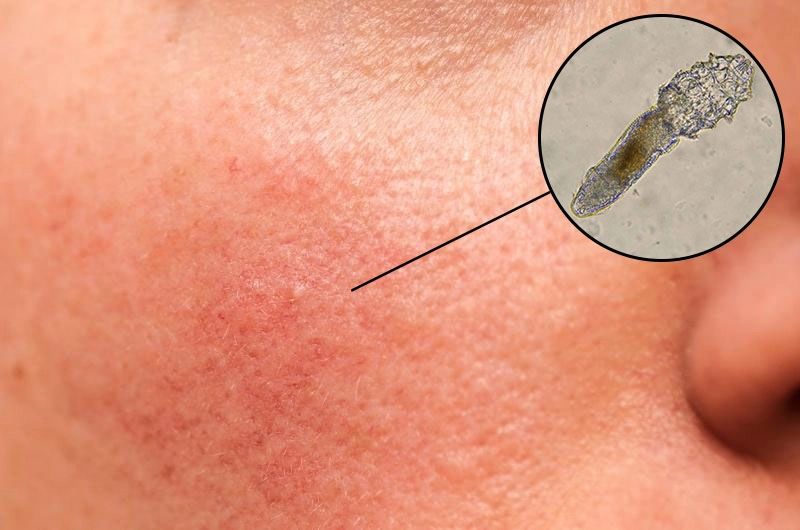
Is rosacea a parasite? The short answer is no, although tiny mites that live on human skin have a documented link to the condition. This DermOnDemand explainer, informed by board-certified dermatologist Dr. Hannah Kopelman, covers causes, symptoms, and treatment options.
Is Rosacea Autoimmune? What the Evidence Says
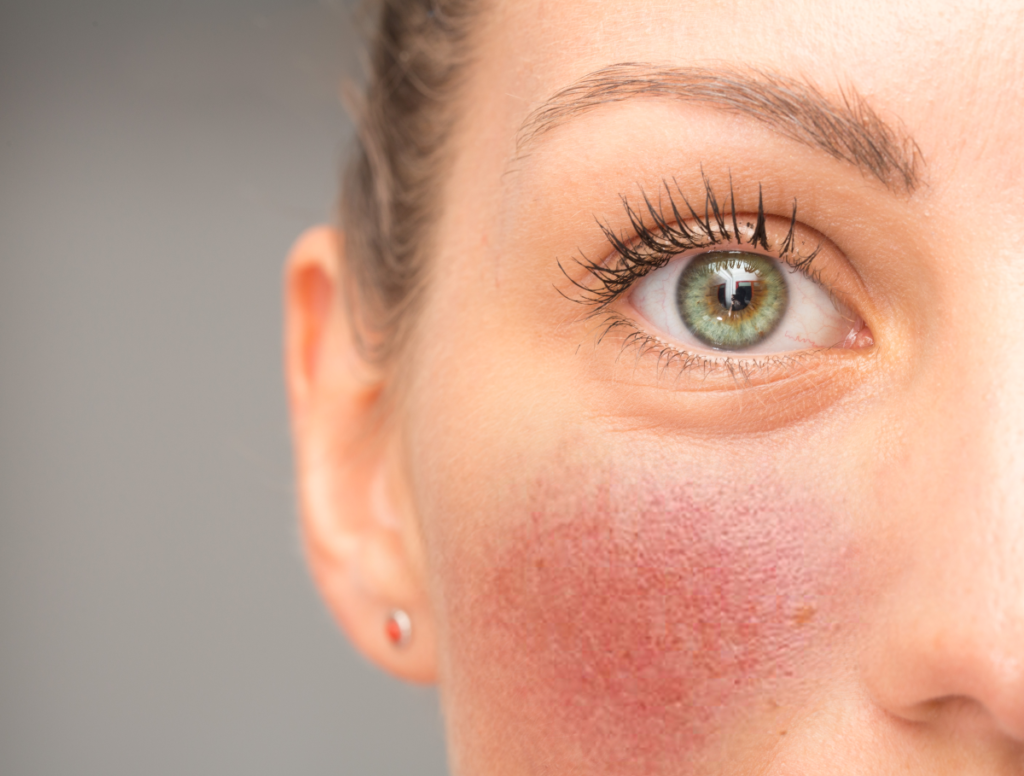
No, rosacea is not an autoimmune condition. It is a long-term inflammatory skin disorder, although it shares some genetic and clinical ties with autoimmune illnesses.
Ocular Rosacea Symptoms, Causes, and Treatment
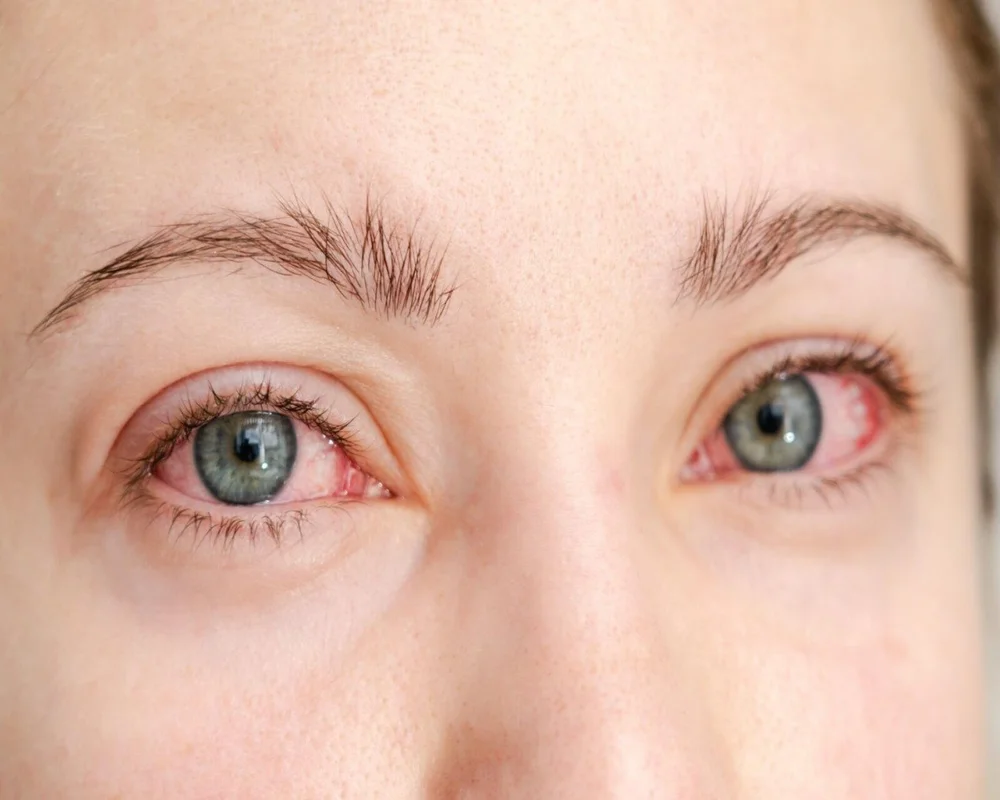
Ocular rosacea symptoms center on irritation of the eyes and eyelids; the cause is still not fully understood, and treatment focuses on steady, ongoing control.
Coffee and Rosacea: Does It Help or Hurt

For most people, coffee does not hurt rosacea, and some research suggests it may even lower the risk of developing it. The heat of the drink matters more than the coffee itself.
Rosacea Diet: Which Foods to Eat and Which to Avoid

A rosacea diet means choosing foods that limit flare-ups and avoiding those that set them off. Hot coffee, alcohol, and chili peppers often trigger flares, while fatty fish and leafy greens may help. Dr. Hannah Kopelman, a board certified dermatologist at DermOnDemand, is a medical expert in conditions like rosacea.
Rosacea vs Perioral Dermatitis: Key Differences Explained
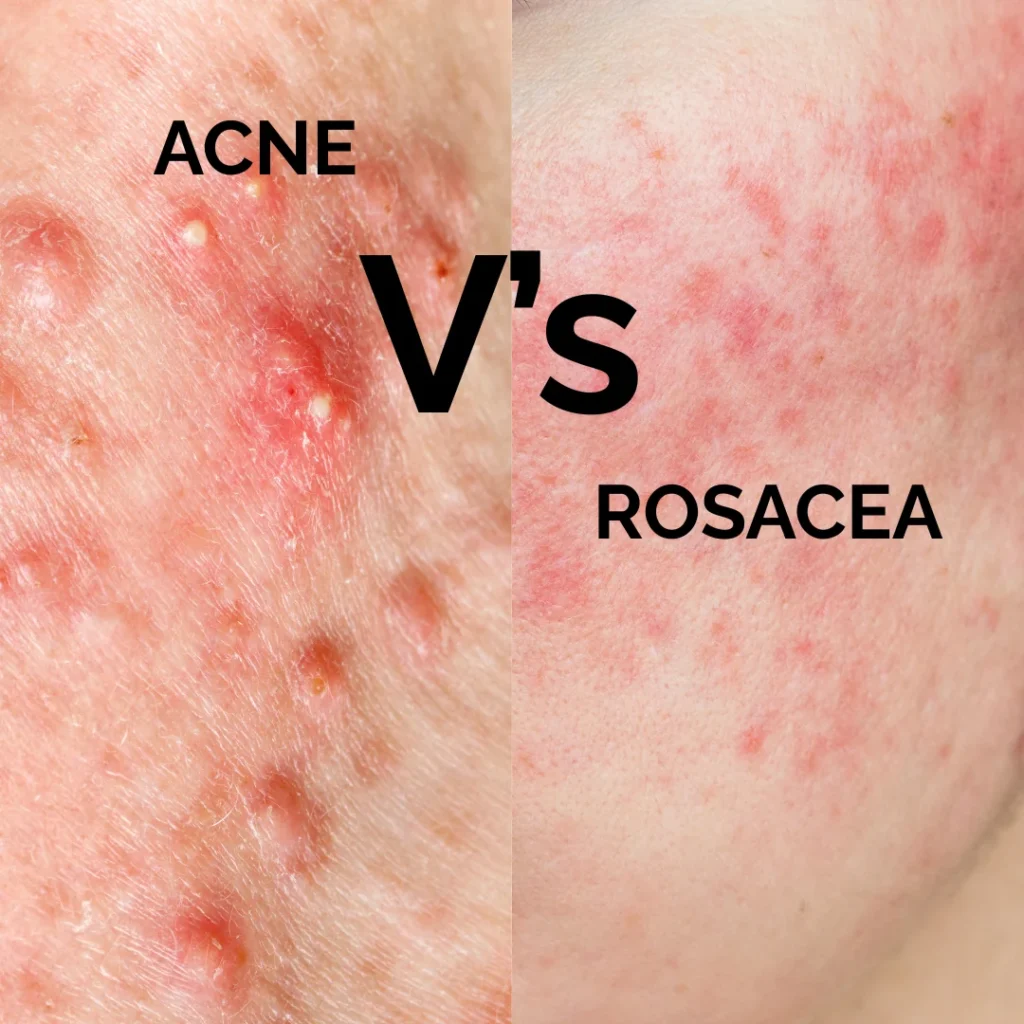
Rosacea and perioral dermatitis are common skin conditions that both cause facial redness and bumps, but they differ in location and cause. Rosacea affects the central face with flushing and visible blood vessels, while perioral dermatitis forms clusters of small bumps around the mouth and is often linked to steroid products.
Is Rosacea Fungal? What the Research Shows
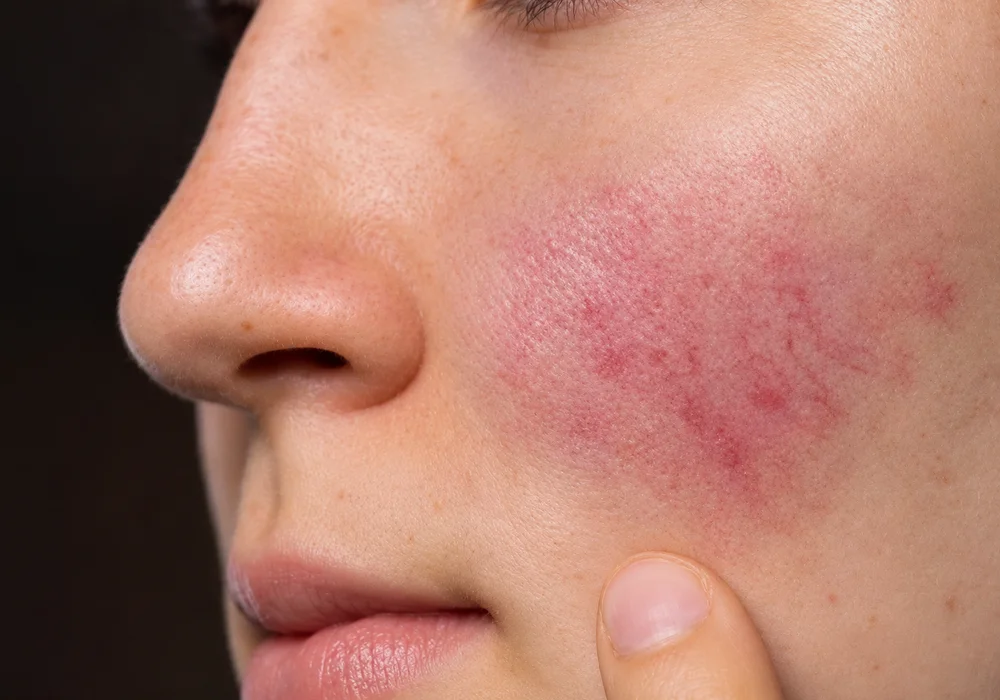
Is rosacea fungal? No. Rosacea is a chronic inflammatory skin condition, and no fungus has been shown to cause it. This DermOnDemand guide, reviewed by dermatologist Dr. Hannah Kopelman, explains what research says about rosacea and fungus, how rosacea differs from fungal acne, and which care options exist.
Wegovy Doses Chart: The Full Schedule, Including the New HD Dose
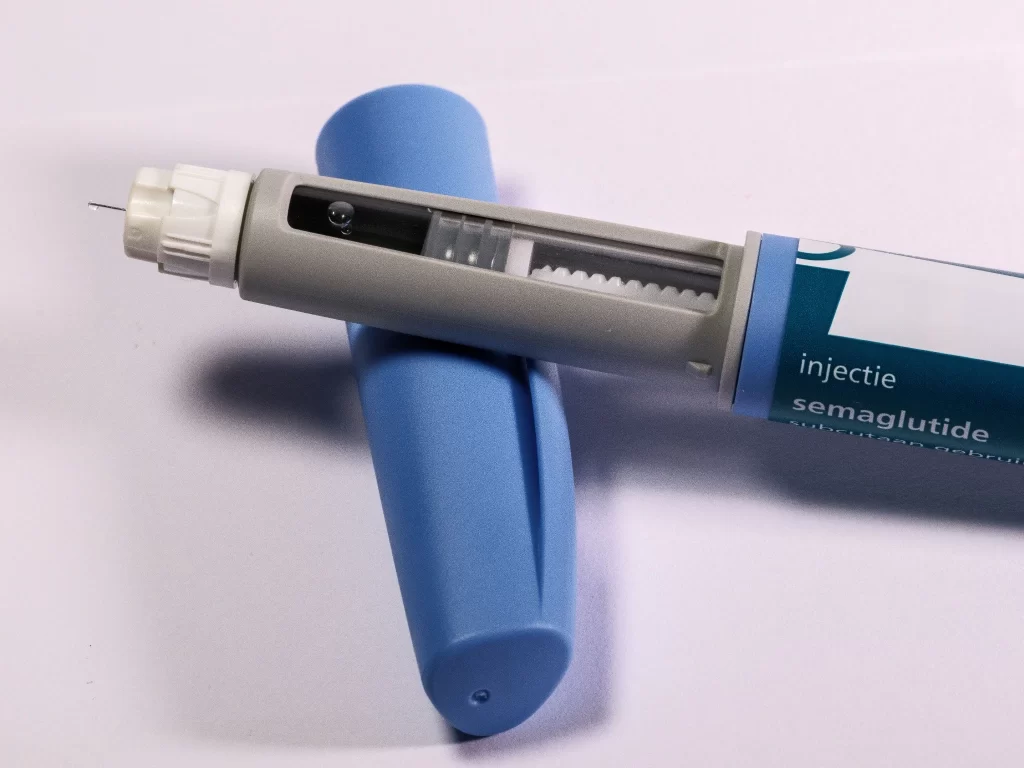
Wegovy now comes in six dose strengths: 0.25 mg, 0.5 mg, 1.0 mg, 1.7 mg, 2.4 mg, and, as of March 2026, a new 7.2 mg HD option. The first five follow a step-up schedule every 4 weeks, reaching the standard 2.4 mg maintenance dose around week 16 to 17. The 7.2 mg HD dose isn’t part of that initial climb.
Ozempic Before and After: What a Realistic Timeline Looks Like
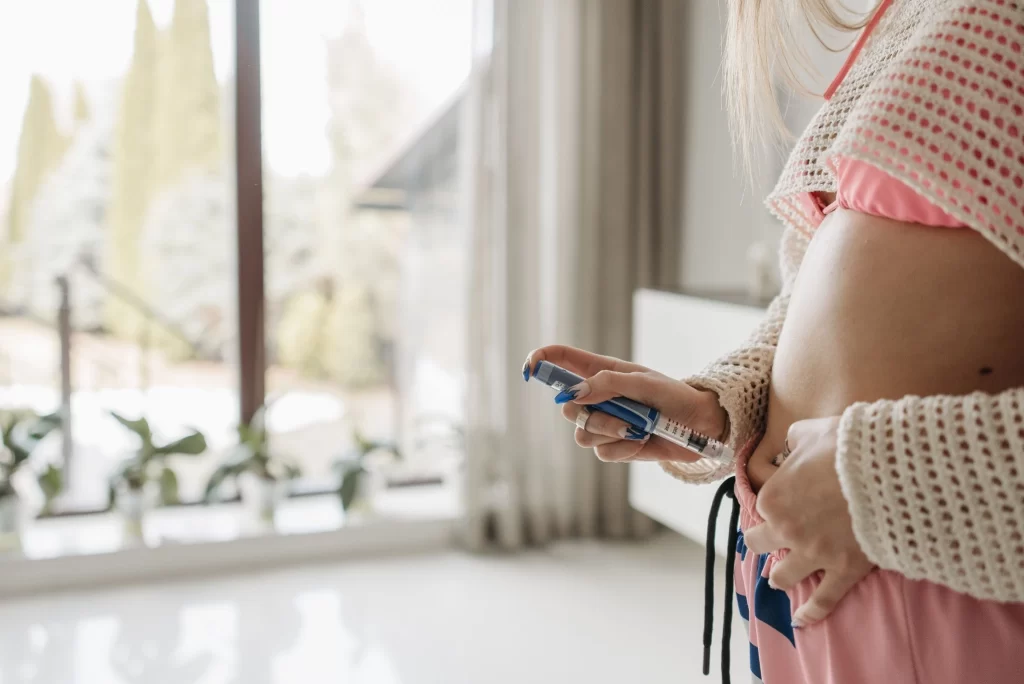
Most people don’t see dramatic changes in the first month on Ozempic. The first four weeks are spent on a starting, non-therapeutic dose, and most visible results start showing up around month 3, accelerate through month 6, and reach their most noticeable point around month 12.