What are Rosacea and Perioral Dermatitis?
Rosacea is a long-term inflammatory skin condition that causes redness, flushing, and sometimes pimple-like bumps. It flares in cycles, often after sun, heat, or alcohol. Its exact cause is unknown.
Perioral dermatitis, also called periorificial dermatitis when it reaches the nose and eyes, is an inflammatory rash that mostly affects women aged 20 to 45. Signs of perioral dermatitis include clusters of tiny bumps, mild scaling, and a burning or tight feeling. It is not contagious and does not come from poor hygiene.
It is also less common than rosacea in clinics: in a German outpatient study of 1,032 patients, the National Rosacea Society’s summary reports that 81.5% were diagnosed with rosacea and 18.5% with perioral dermatitis.
What Causes Perioral Dermatitis?
A weakened skin barrier appears to play a central role. Topical corticosteroids on the face are the best-documented trigger, including steroid nasal spray and inhalers. The National Library of Medicine’s archive describes a man who developed perioral dermatitis after topical steroid use.
Rosacea vs Perioral Dermatitis vs Acne
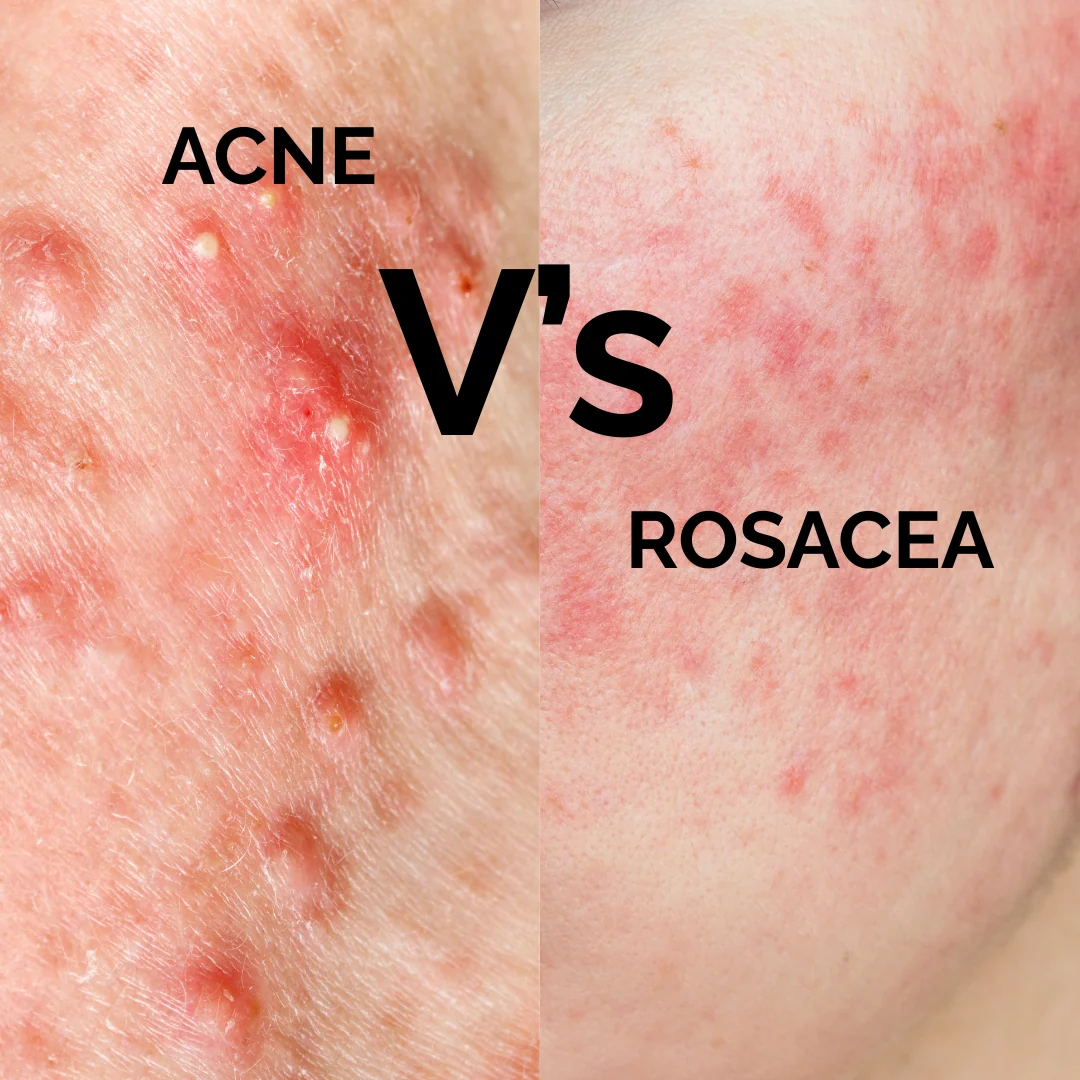
Acne produces blackheads and whiteheads, but rosacea and perioral dermatitis do not. Acne bumps appear at different stages and can cross the lip border. Perioral dermatitis shows many similar small red bumps at the same stage, and it usually spares the skin along the lip. It also tends to burn or feel tight, while acne does not.
Rosacea can resemble acne, and some people still call it acne rosacea, but it is a different condition. It adds flushing and visible blood vessels, which acne does not cause.
Benzoyl peroxide and strong acids help acne, but they often irritate perioral dermatitis and can aggravate rosacea. Some severe cases are treated with low-dose isotretinoin, as this guide to Accutane for rosacea explains.
Perioral Dermatitis and Rosacea at the Same Time
Experts disagree on whether perioral dermatitis is a type of rosacea or a separate condition. Facial steroid use is linked to both. DermNet describes a rosacea-like steroid rash as a variant of perioral dermatitis, or possibly the same condition.
Can Perioral Dermatitis Turn into Rosacea?
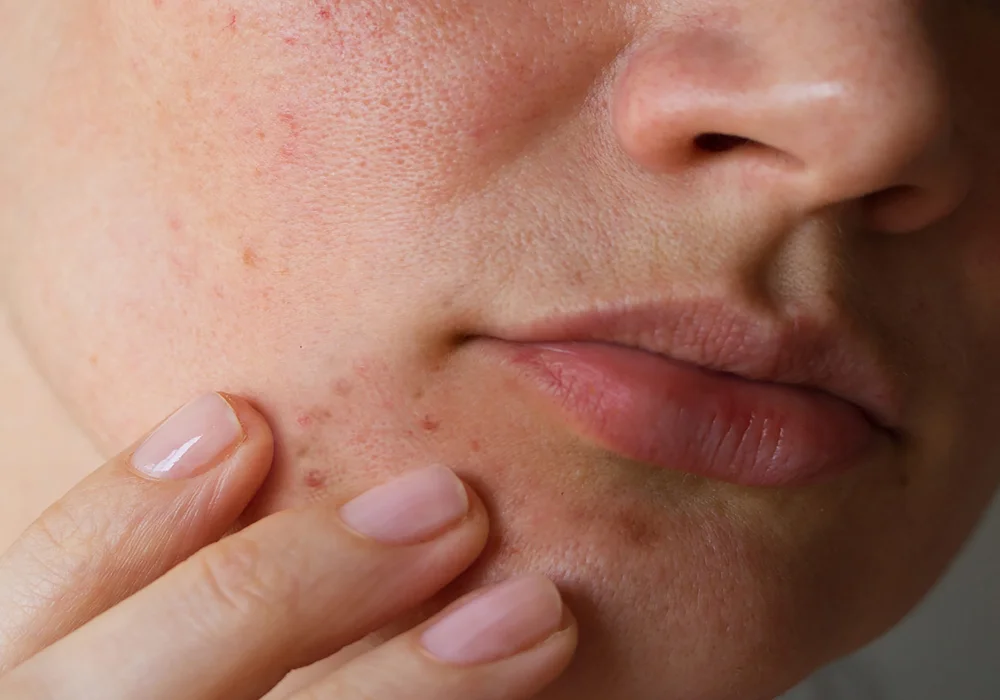
Experts disagree. Many cases that return after treatment can turn into rosacea. The National Rosacea Society describes two different conditions with different root causes. A rash that keeps returning deserves a dermatologist’s review.
Rosacea and Perioral Dermatitis on Darker Skin
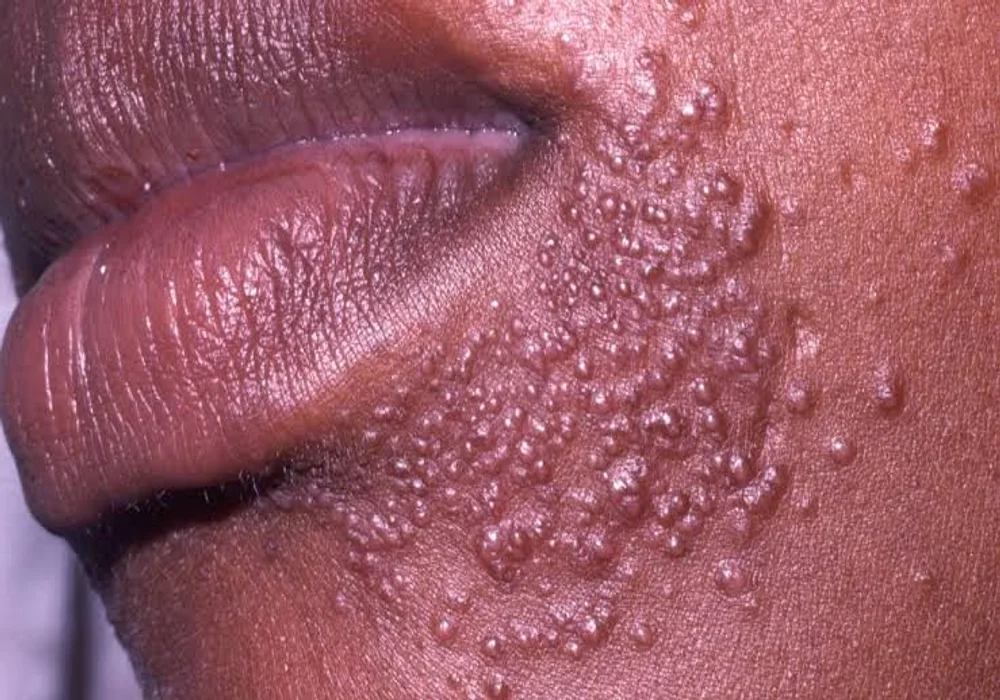
Redness is harder to see on brown and black skin. Both conditions may look skin-colored, reddish-brown, or darker, so they are often missed. Dark marks can linger for months, but they are not scars.
Rosacea Treatment Options
Rosacea has no cure, but treatment controls symptoms. Daily sunscreen, gentle skin care, and trigger avoidance form the base. Creams such as metronidazole, azelaic acid, or ivermectin reduce bumps, and low-dose doxycycline, an anti-inflammatory antibiotic, helps in persistent cases.
How to Clear Up Perioral Dermatitis
Doctors usually treat perioral dermatitis by doing less at first. Most people improve by removing triggers and simplifying their routine. Perioral dermatitis treatment depends on severity, so a dermatologist adds prescriptions when needed and adjusts the treatment plan over time.
What to Avoid with Perioral Dermatitis
- Topical steroids, including over-the-counter hydrocortisone
- Heavy creams, layered skincare products, and foundation or other cosmetic products
- Fragrance and essential oils
- Scrubs, glycolic acid, and salicylic acid
Keep your skincare routine to a gentle cleanser and a light moisturizer, both fragrance-free. Do not restart steroid creams during a rebound flare. These habits also help prevent perioral dermatitis from returning.
Prescription Options
Treatments for perioral dermatitis start with simple changes, and prescription medications come next when those are not enough. For mild cases, a dermatologist may prescribe topical metronidazole, erythromycin, or pimecrolimus.
Wider rashes may need oral antibiotics such as doxycycline, which can cause sun sensitivity as a side effect. Children and pregnant patients need different oral medications.
How Long Perioral Dermatitis Lasts
Most cases clear within weeks to a few months. After stopping a steroid, the rash often worsens for two to four weeks first. A 1993 report indexed on PubMed, the National Library of Medicine’s database, describes this kind of rebound flare after potent facial steroids are withdrawn.
Common Misconceptions
- Stronger acne products help. They usually irritate the rash.
- Diet is the main cause. No good evidence links gluten or spicy food to it.
- Toothpaste is the cause. Changing your fluorinated toothpaste is harmless, but evidence that it causes the rash is weak.
- A quick cure exists. Clearing takes weeks, and quick fixes often lead back to steroids.
When to See a Dermatologist
Seek care if the rash spreads after you stop steroids, reaches your eyelids, or causes pain or crusting. Any persistent rash around a child’s mouth also needs review. So does a rash with no improvement after six to eight weeks of gentle care.
Many cases can be assessed through clear photos and a history of your care products and symptoms. DermOnDemand dermatologists review these details online, while eye symptoms or an unclear diagnosis may need an in-person exam.
If the diagnosis is rosacea, a dermatologist can outline rosacea treatment options based on your symptoms. Long-term skin health depends on matching treatment to the right diagnosis.
If you have a rash that keeps returning or has not improved, you can start your treatment request by submitting your symptoms and skin photos online for a dermatologist to review.