
Best Base for Dry Skin: 10 Hydrating Makeup Picks
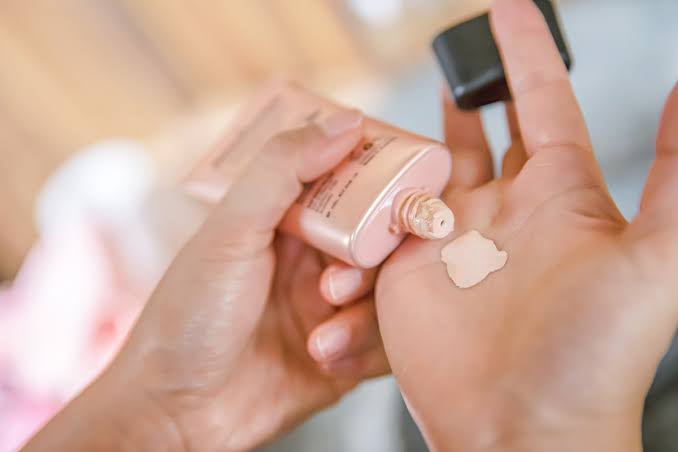
The best foundation for dry skin is usually a hydrating liquid, cream, or skin tint containing ingredients such as hyaluronic acid, glycerin, ceramides, or squalane. A good base for dry skin should feel comfortable, smooth, and dry, avoiding a flat matte finish that can make flakes or fine lines stand out.
Argan Oil for Skin: Benefits, Face Use, and Safety

Argan oil can support skin hydration, barrier comfort, and softness when used correctly. It is a lightweight plant oil that contains vitamin E and fatty acids, which help reduce moisture loss and may calm mild dryness.
Using argan oil for skin may also help some people with oil balance, but it does not treat acne, rashes, eczema, or other medical skin conditions.
For face use, argan oil is best applied in a small amount after cleansing or over a moisturizer. It can work for several skin types, but acne-prone or sensitive skin may react with irritation or clogged pores. A patch test, slow use, and stopping if burning, itching, or breakouts appear can help reduce risk.
Antioxidants and Skin Health: Benefits and Safe Use
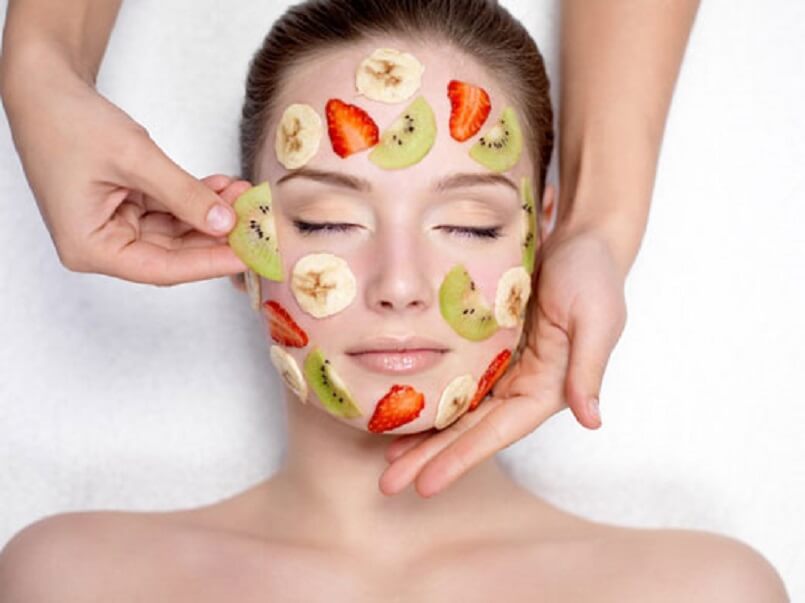
Antioxidants help protect the skin from free radicals caused by ultraviolet light, pollution, and other environmental factors. The link between antioxidants and skin health lies in their ability to reduce oxidative stress, support skin cells, and complement daily sun protection. They may also help limit premature aging and improve the appearance of fine lines and dark spots.
Allergy Effects on Skin: Symptoms, Types, and Treatment
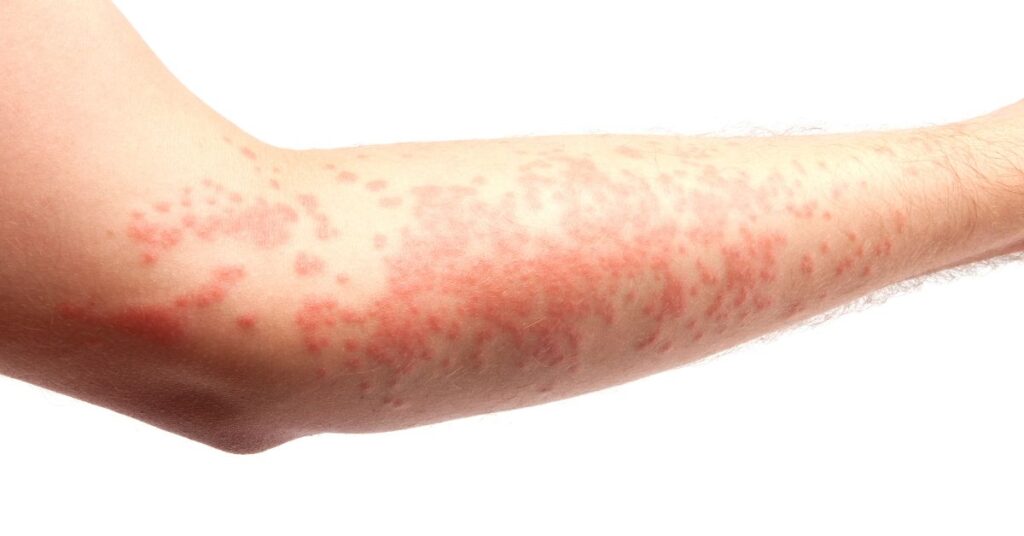
Allergic reactions can affect the skin by causing rashes, hives, redness, swelling, dryness, blisters, and intense itching. These allergic skin effects develop when the immune system overreacts to a normally harmless substance and releases chemicals that cause inflammation.
Common types include hives, allergic contact dermatitis, and atopic dermatitis. Treatment depends on the cause and severity, but may include avoiding the trigger, using moisturizers or topical medicines, taking antihistamines for hives, and seeking urgent care for breathing problems, throat swelling, faintness, or other signs of anaphylaxis.
Candida Fungus on Skin: Symptoms, Causes, and Treatment
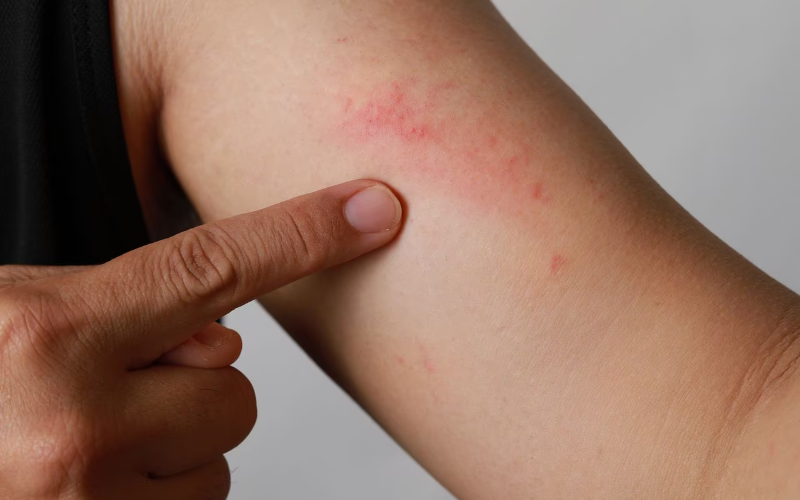
Cutaneous candidiasis is a yeast infection that develops when Candida grows too much on warm, moist skin. A candida fungus on skin rash often appears in the armpits, groin, beneath the breasts, or other skin folds and may cause intense itching, redness or discoloration, small pimple-like bumps, soreness, and cracked skin.
Treatment usually includes an antifungal cream or another antifungal medicine, along with keeping the area clean and dry. Severe, recurring, or unclear rashes may need a clinician’s evaluation and testing.
Can Black Skin Get Sunburn? Signs, Care, and Prevention
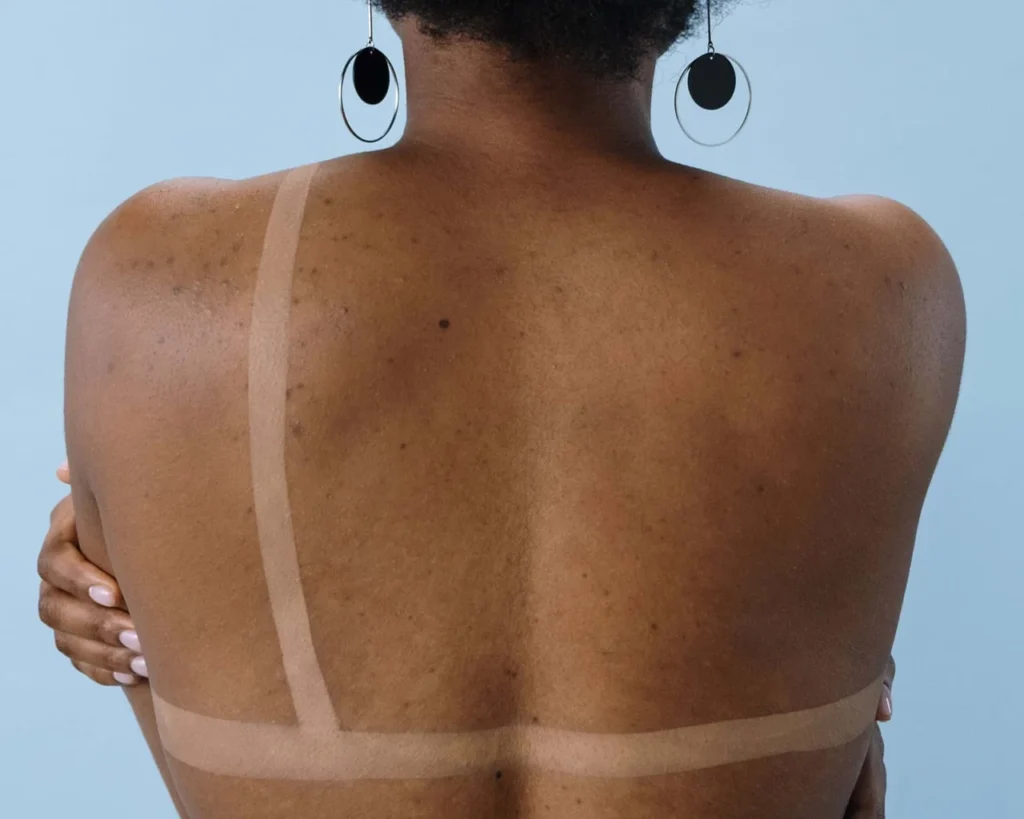
Yes, Black skin can get sunburned because melanin reduces UV damage, but does not block all ultraviolet radiation. The question “can Black skin get sunburn” is answered by symptoms such as warmth, tenderness, swelling, peeling, blistering, and color changes that may appear brown, purple, gray, or ashy rather than bright red.
Repeated unprotected exposure can also contribute to hyperpigmentation, premature skin aging, and skin cancer risk. Broad-spectrum SPF 30 or higher, protective clothing, shade, and reapplication after swimming or sweating help reduce that risk.
Calamine Lotion for Skin Rash: Uses and Safety
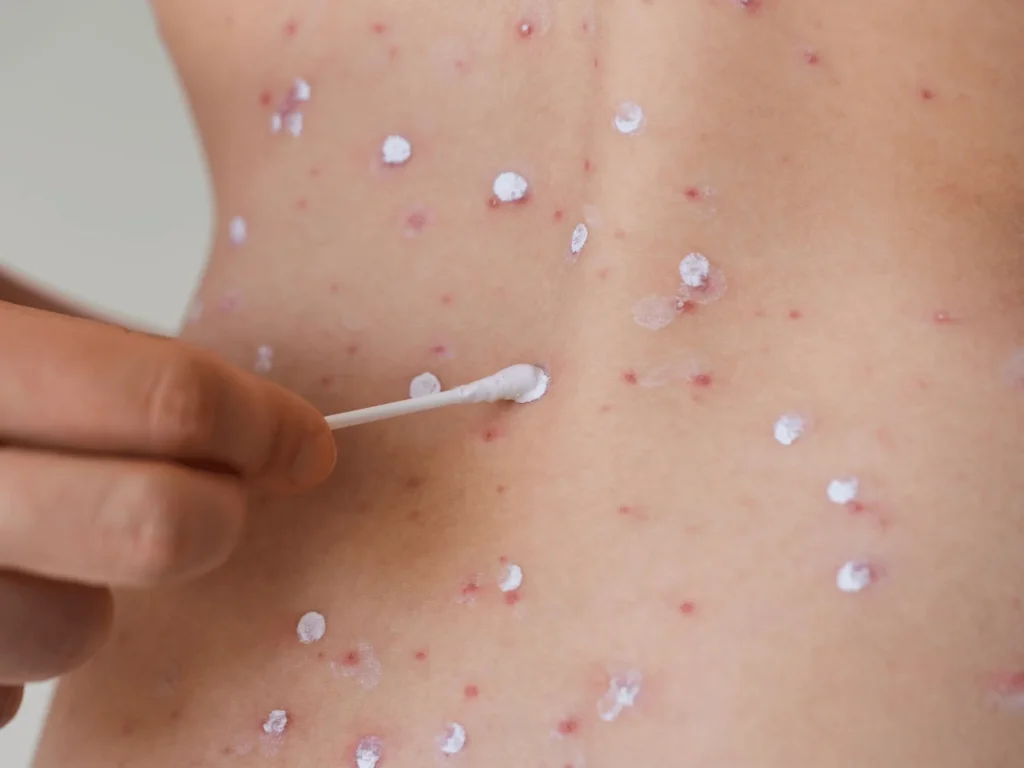
Calamine lotion can temporarily relieve itching and discomfort from mild rashes, insect bites, and poison ivy, poison oak, or poison sumac. Using calamine lotion for a skin rash may also help dry oozing skin. Many formulas contain zinc oxide and ferric oxide, which contribute to the pink color, but calamine does not treat infections or every underlying cause.
Follow the product label and seek medical care if the rash spreads, becomes painful, shows signs of infection, or does not improve within about seven days.
Bacterial Infection Skin: Symptoms, Types, and Treatment
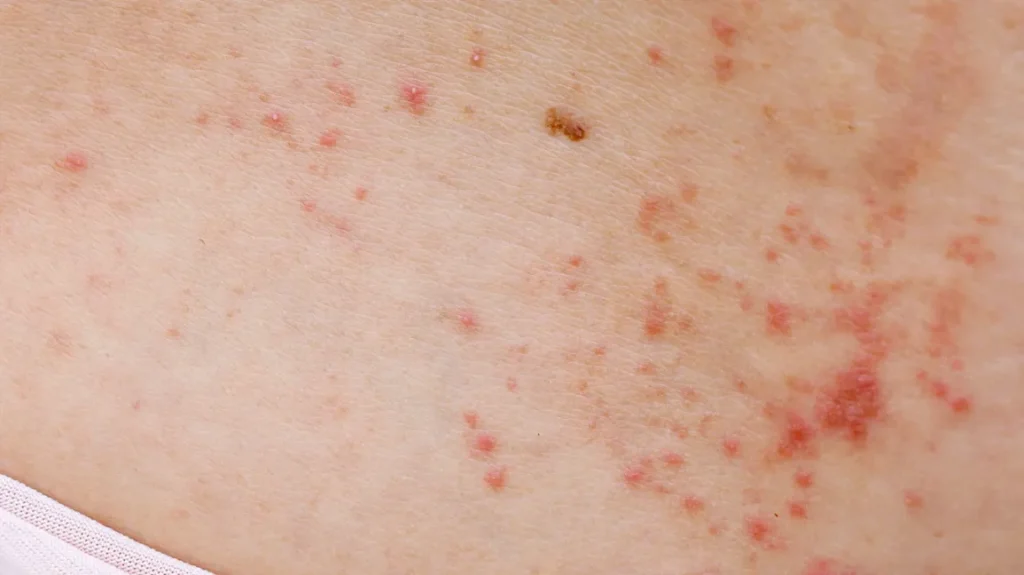
A bacterial skin infection develops when bacteria, often Staphylococcus or Streptococcus, enter through a cut, scrape, or wound, or through a weakened skin barrier. Common signs include redness, warmth, swelling, tenderness, crusting, drainage, or pus-filled bumps, although symptoms differ by infection type.
A bacterial skin infection may appear as cellulitis in the deeper tissue, impetigo with honey-colored crusts, folliculitis around hair follicles, or a boil or abscess filled with pus. Treatment may involve topical or oral antibiotics, professional drainage, or in-person testing based on the location, severity, and suspected bacteria.
Almond Oil for Skin: Benefits, Uses, and Risks
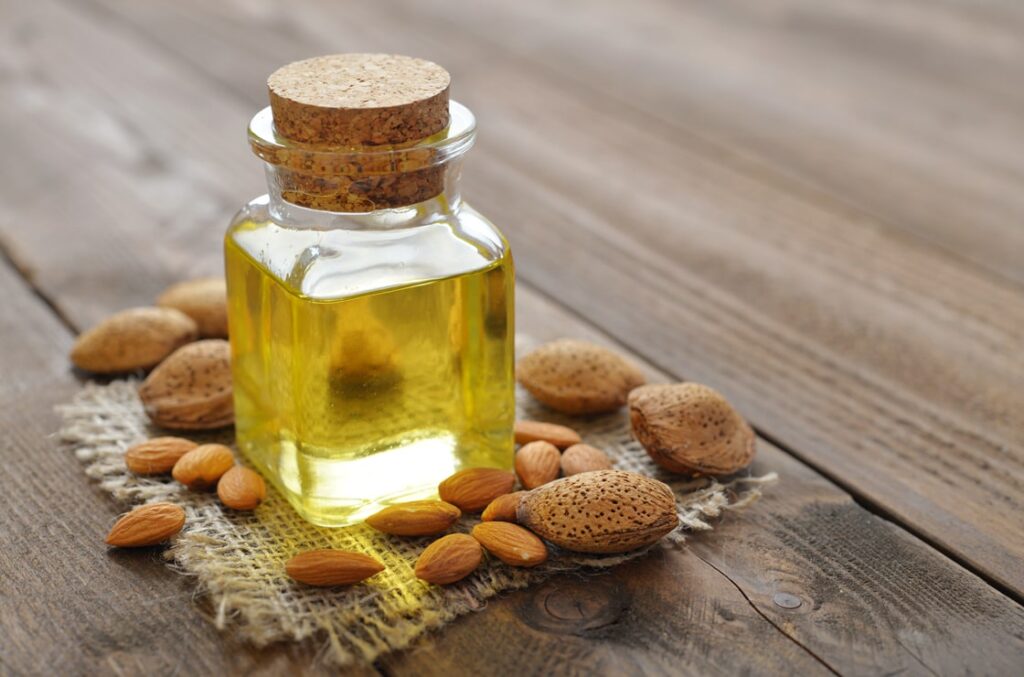
Almond oil can help moisturize and soften skin, but its effects depend on your skin type. Sweet almond oil contains vitamin E and essential fatty acids that support the skin barrier and reduce moisture loss.
For some people, almond oil for skin may help with dryness and rough texture, but it can also cause irritation, allergies, or clogged pores.