
Skin Mole to Worry About: Signs and Next Steps
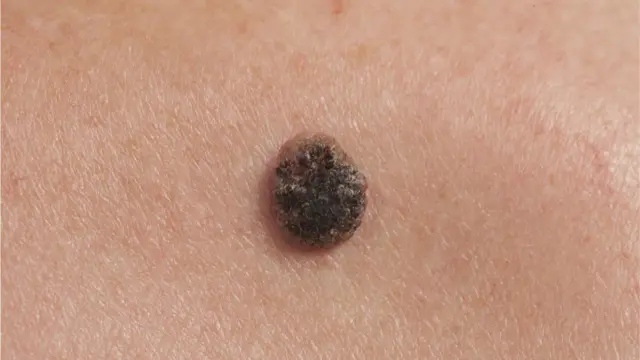
A mole should be checked when it is new, changing, painful, bleeding, itching, scabbing, or noticeably different from your other spots. A skin mole to worry about may also have uneven borders, multiple colors, rapid growth, or changes in size, shape, or color.
The next step is to compare the mole with your usual skin pattern, take a clear photo, and note when the change started. A dermatologist can examine the mole, use dermoscopy when needed, and perform a biopsy if cancer is possible.
Why Does My Skin Hurt to Touch? Causes and Treatment
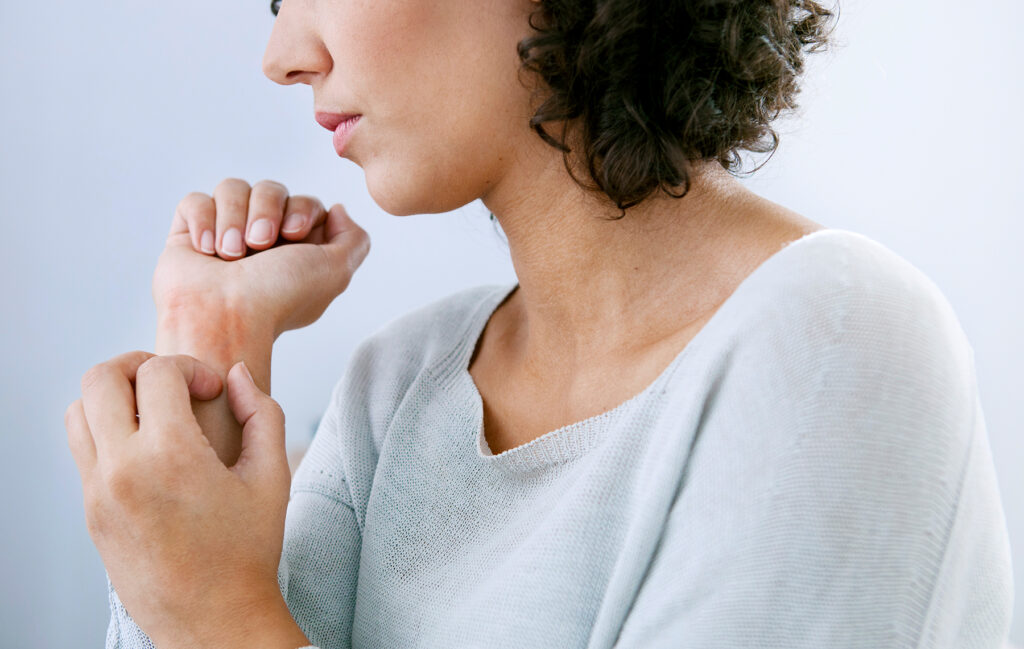
Your skin may hurt to touch because of irritation, inflammation, injury, infection, or abnormal nerve signals. When skin hurts to the touch without a visible rash, allodynia may be involved, meaning that light clothing, hair brushing, or gentle contact causes pain that would not normally occur.
Treatment depends on the cause and may involve avoiding irritants, treating a skin condition, or managing nerve-related pain.
Persistent pain, widespread tenderness, weakness, numbness, fever, or a new rash should be assessed by a medical professional. An exam can help determine whether the pain comes from the skin, damaged nerves, or another underlying condition.
Pimple Under Skin: Causes and Treatment
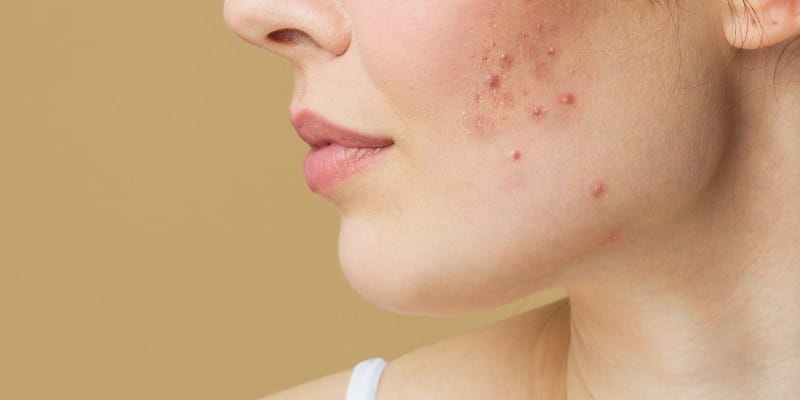
A pimple under the skin is a deep, inflamed acne lesion that forms when oil, dead skin cells, and bacteria become trapped inside a blocked hair follicle. It may feel like a painful, firm lump without a visible head and may be called a blind pimple, acne nodule, or cyst.
Treatment may include warm or cold compresses, benzoyl peroxide or salicylic acid, and prescription acne medication for persistent or severe lesions. Avoid squeezing the bump because this can increase inflammation, infection risk, discoloration, and scarring.
Is Castor Oil Good for Skin? Benefits, Risks, and Uses
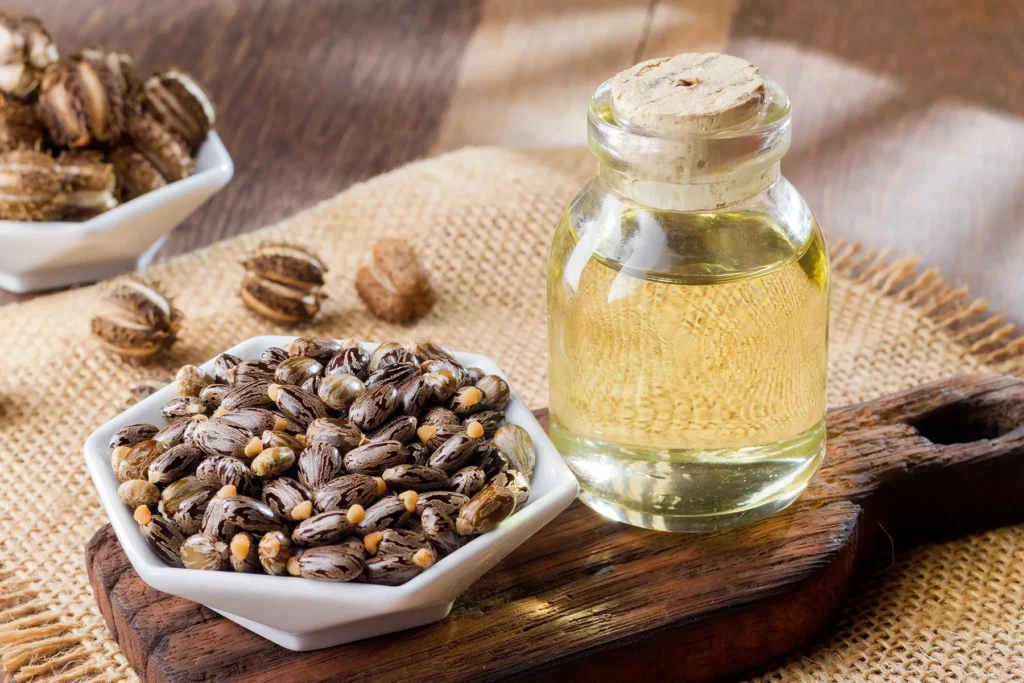
Castor oil can help soften dry, rough skin and reduce moisture loss by forming a protective layer on the surface. In that limited sense, the answer to “is castor oil good for skin?” is yes, especially for small dry areas and lips. Its thick texture may feel heavy, trigger irritation, or contribute to clogged pores and breakouts in oily or acne-prone skin.
It should be used in small amounts and should not replace treatment for rashes, infections, acne, dark spots, or other skin conditions.
Dry Skin Patches: Causes, Symptoms, and Treatment
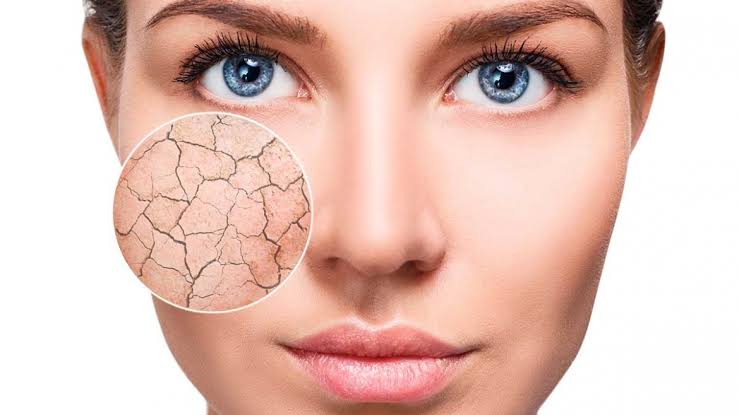
Dry skin patches usually develop when the skin loses moisture because of cold weather, low humidity, hot water, harsh soaps, or irritating products. They may also result from eczema, psoriasis, contact dermatitis, or a fungal infection, especially when the area is itchy, inflamed, scaly, spreading, or slow to heal.
Mild cases often improve with a gentle cleanser, a regular moisturizer, and reduced exposure to known irritants, while persistent, painful, bleeding, or changing patches may require medical evaluation.
Sun Spots on Skin: Causes, Signs, and Treatment
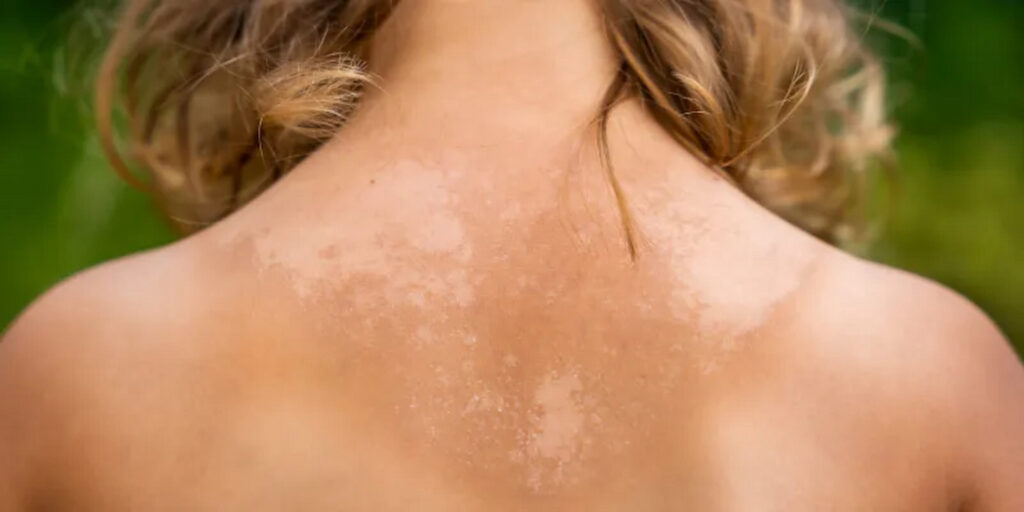
Sunspots, or solar lentigines, are flat, harmless brown marks caused by cumulative ultraviolet exposure. Although sun spots on the skin are not cancerous, they show that the area has sustained sun damage and should be monitored for changes in color, shape, size, or texture.
Treatment may include retinoids, vitamin C, chemical peels, cryotherapy, laser therapy, or light-based procedures, while daily broad-spectrum sunscreen helps prevent new spots and limits existing ones from darkening.
Skin Yeast Infection: Symptoms, Causes, and Treatment
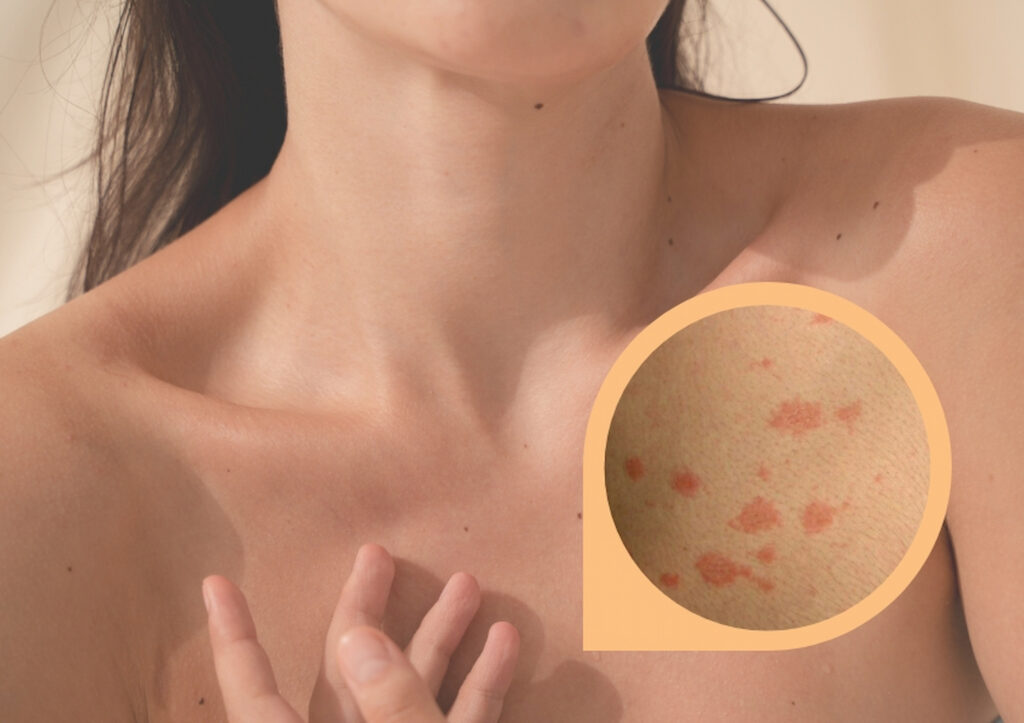
A skin yeast infection, also called cutaneous candidiasis, occurs when Candida overgrows on the skin. It often causes a red, itchy, burning, or tender rash in warm, moist areas such as the groin, armpits, under the breasts, and other skin folds.
Common causes include trapped moisture, friction, antibiotics, diabetes, and reduced immune defenses. Treatment usually involves keeping the area dry and using an appropriate topical antifungal; persistent or severe cases may require medical evaluation.
Is Accutane Nose Permanent or Temporary?

Accutane does not permanently change the shape or structure of your nose. The search question “is accutane nose permanent?” usually arises from noticing a slimmer-looking nose during or after treatment, but that change occurs at the skin level. Isotretinoin can reduce inflammation and shrink overactive oil glands, which may make the nose look smoother, less swollen, or more defined during treatment.
This effect does not alter bone or cartilage. Some skin-level changes may last if oiliness and acne stay controlled, but the nose may look closer to its previous appearance if oil production returns after treatment. The key difference is that Accutane may change the skin over the nose, not the nose structure itself.
How to Get Rid of Skin Tags With Safe Removal Options
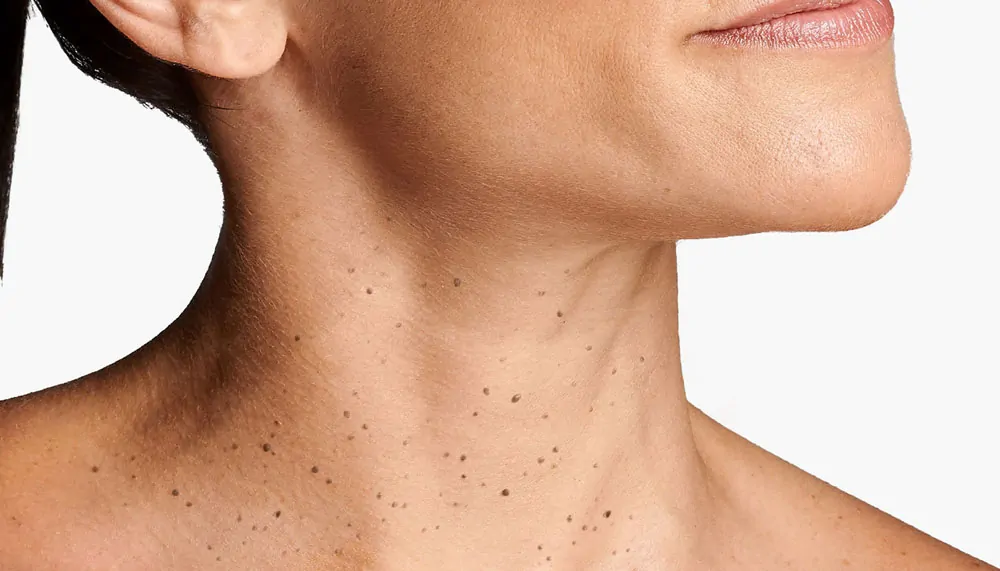
Skin tags are benign growths and usually do not need treatment unless they rub, bleed, hurt, affect function, or cosmetically bother a person. The safest way to remove them is through a medical professional who can confirm the growth is truly a skin tag, then use methods such as snipping, freezing, electrosurgery, or ligation.
If you are researching how to get rid of skin tags, avoid cutting them off at home or using harsh products, especially near the eyes, genitals, or irritated skin. Over-the-counter and home methods may seem simple, but they can cause burns, scarring, infection, or delay evaluation of a growth that is not actually a skin tag.