
Is Accutane Worth It for Adult Acne?

Yes, Accutane may be worth it for adult acne when breakouts are severe, painful, scarring, or resistant to other treatments. Isotretinoin is an FDA-approved oral retinoid for severe, recalcitrant acne in patients 12 and older, and taking Accutane as an adult can reduce oil production and target several causes of acne at once.
Accutane Anxiety: Causes, Symptoms, and Care

Isotretinoin, often known as Accutane, may be linked to anxiety, depression, mood swings, and other mental health changes in some patients. Accutane anxiety is not common, but it can happen. Patients should watch for changes in mood, sleep, irritability, panic symptoms, and emotions during treatment.
Care often starts before treatment begins. Patients should tell a healthcare professional about any personal or family mental health history.
Accutane and Vaginal Dryness: Symptoms and Care

Isotretinoin can cause vaginal dryness because it reduces oil production and can dry mucous membranes, not only the lips and skin. Accutane and vaginal dryness may involve irritation, thinner-feeling tissue, itching, burning, or pain during sex, and some reports suggest this may affect up to about one-third of female patients.
Care usually starts with gentle hygiene, fragrance-free vaginal moisturizers, and water-based or silicone-based lubricants during sex. Dryness is often temporary, but symptoms such as blisters, sores, unusual discharge, odor, bleeding, or severe pain should be evaluated, as they may indicate infection, irritation, or another condition.
Accutane and Red Face: Causes, Care, and When to Worry
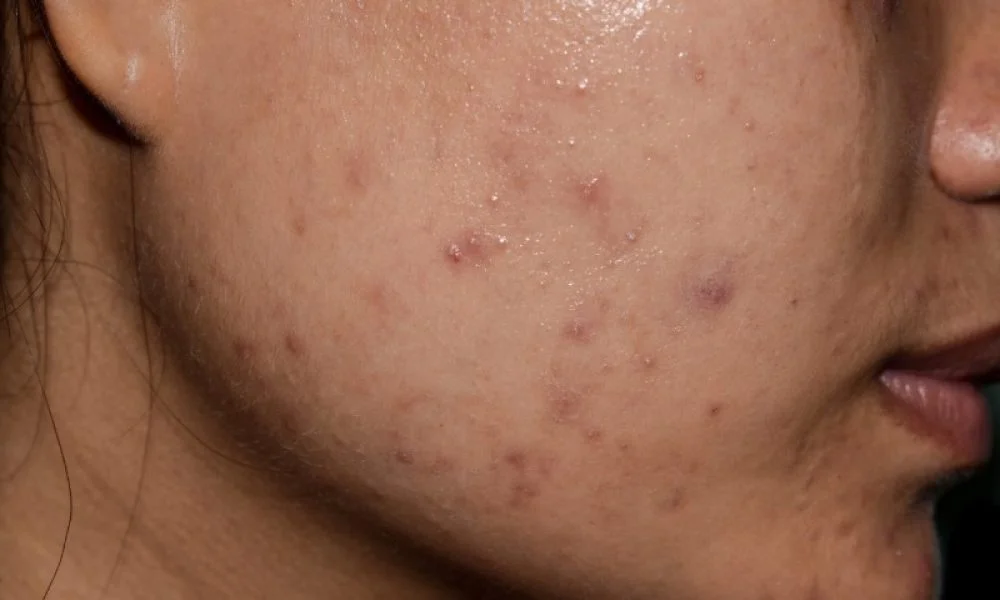
Accutane can cause facial redness, flushing, warmth, and increased skin sensitivity, especially early in treatment. Accutane and red face are usually linked to reduced sebum, drier skin, and a weaker skin barrier, which makes the face react more to sunlight, heat, and harsh products.
Care usually focuses on gentle cleansing, a daily moisturizer, lip balm, and broad-spectrum SPF. Redness often improves after the skin adjusts or within months after treatment ends, but severe burning, swelling, rash, painful peeling, or persistent redness should be reviewed by a dermatologist.
Accutane and Mental Health: What Patients Should Know

Accutane can affect mental health in some patients, but the overall risk is not fully established. Reports have described depression, anxiety, mood changes, and suicidal thoughts during treatment, and the U.S. Food and Drug Administration (FDA) includes warnings about possible psychiatric side effects.
However, large studies have not consistently found a higher overall risk of depression or suicide compared with other people who have acne. This means the link is possible but not proven as a common outcome.
For that reason, mental health should be taken seriously during treatment, with attention to mood changes and open communication with a healthcare provider.
Accutane and Kidneys: What Patients Should Know
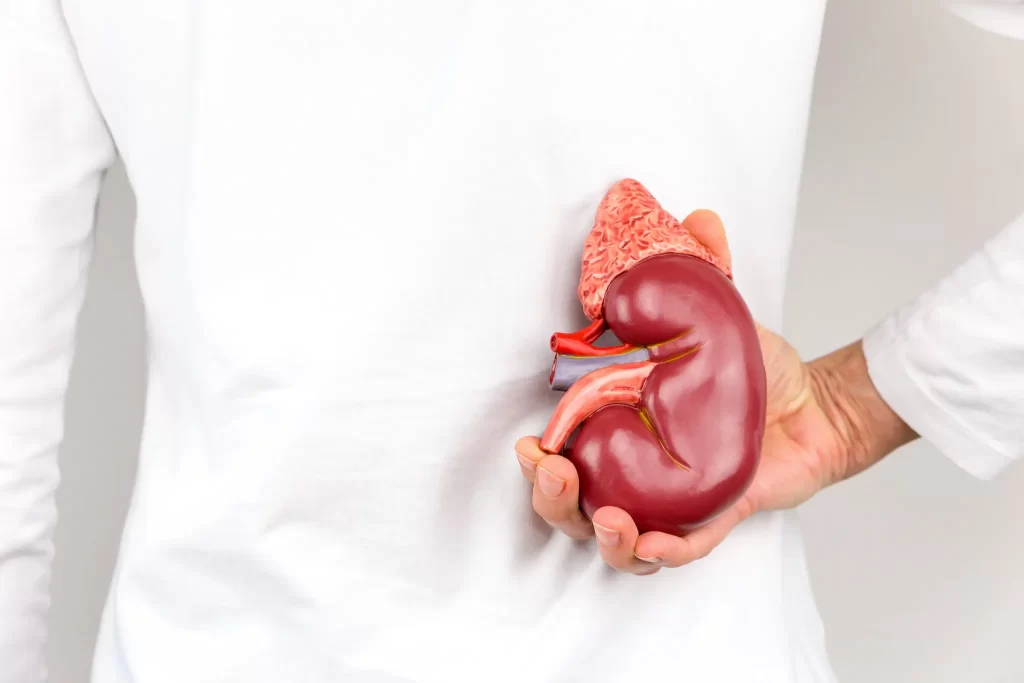
Accutane can affect the kidneys, but serious kidney side effects are rare. Reported complications include acute kidney injury, acute interstitial nephritis, and other forms of renal dysfunction, sometimes with elevated creatinine levels or protein in the urine.
Most available evidence comes from case reports and small studies rather than large clinical trials. This means kidney-related effects are considered possible but uncommon, rather than a typical risk for most patients.
Patients should be aware of symptoms such as swelling, fatigue, or changes in urination and consult a healthcare provider if they occur.
Accutane and Hyperpigmentation: What to Know

Accutane can help with hyperpigmentation, but mostly indirectly. Regarding isotretinoin and hyperpigmentation, the key point is that isotretinoin treats severe acne, reduces oil production, and decreases new breakouts, which can help prevent new post-inflammatory dark marks.
It does not directly target pigment the way dedicated fading treatments do, so existing spots often improve more slowly than the acne itself.
Accutane and Eczema: What to Know
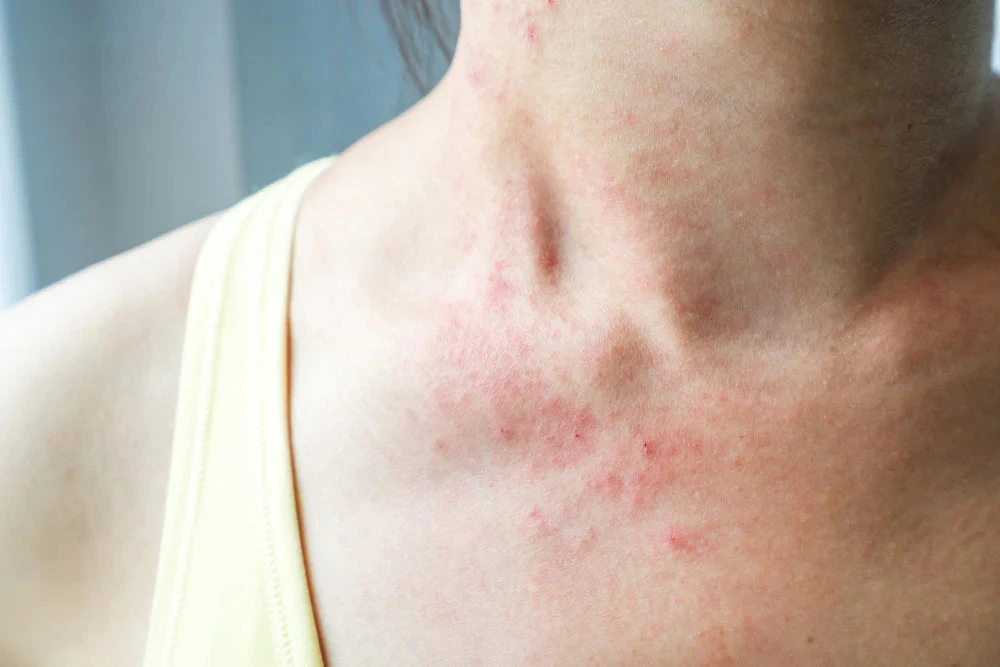
Accutane can cause major skin dryness and irritation, and in some patients that dryness leads to an eczema-like rash, often called retinoid dermatitis, especially on the hands, arms, and other exposed areas. Accutane and eczema are linked mainly through barrier damage: isotretinoin lowers oil production, makes skin more sensitive, and can leave it dry, itchy, and inflamed, and more easily triggered by soap, friction, weather, or sun exposure.
In most cases, the first steps are gentle skin care, a thick moisturizer or ointment, regular lip balm, and cutting back on products or habits that worsen dryness, such as exfoliants, harsh cleansers, and excessive sun exposure.
Accutane and Diarrhea: What to Know

Accutane and diarrhea can occur because isotretinoin is a recognized cause of stomach-related side effects, including diarrhea, stomach pain, heartburn, rectal bleeding, and trouble swallowing. It is not one of the most common isotretinoin problems, but it matters because severe abdominal pain, nausea or vomiting, or bloody diarrhea can signal a more serious complication that needs prompt medical review.
Most cases are not automatically indicative of inflammatory bowel disease or severe colitis, so the safest first step is to consider the full symptom pattern rather than guessing.