
Accutane vs Isotretinoin: Are They the Same?
Yes. Isotretinoin is the generic active medication, a retinoid and vitamin A derivative used to treat severe or scarring acne, while Accutane was a brand name for isotretinoin that is no longer sold in the United States.
The accutane vs isotretinoin distinction is mostly a naming difference, not a difference in the active ingredient. DermOnDemand provides this educational overview, with clinical context from Dr. Alicia Atkins, a medical expert, to explain names, uses, side effects, pregnancy risks, and treatment monitoring.
Accutane Sweating: Causes, Side Effects, and Care
Accutane can cause sweating in some patients, but it is not among the most predictable or common side effects of isotretinoin. Accutane Sweating may feel like excessive sweating, feeling warmer than usual, hot flashes, or sweating more during exercise, stress, sleep, or warm weather.
Research and patient reports suggest this may be related to temporary changes in skin function, sweat-gland response, hormonal patterns, or other overlapping triggers.
Accutane Sore Throat: Causes, Risks, and Care
A sore throat can occur during Accutane treatment because isotretinoin often dries the mouth, nose, lips, and throat. An Accutane Sore Throat may feel like dryness, scratchiness, hoarseness, mild swallowing discomfort, or cold-like irritation.
This can happen when the mucous membranes lose moisture, but throat symptoms can also come from infection, pill irritation, mouth sores, reflux, or allergies.
Accutane or Birth Control for Acne: Which Is Better?
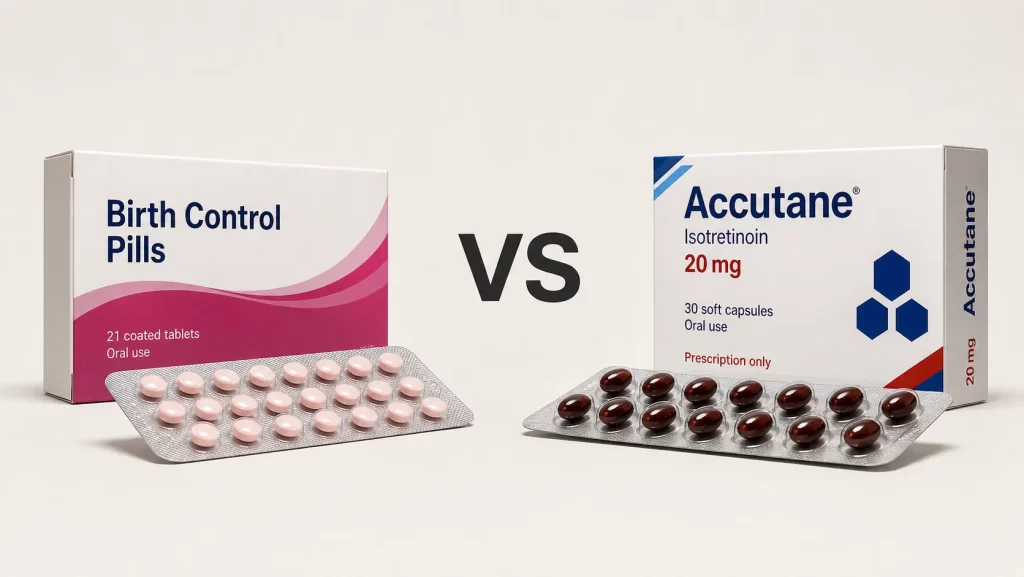
Accutane is usually better for severe, cystic, scarring, or treatment-resistant acne, while birth control is usually better for moderate hormonal acne linked to menstrual cycles, jawline breakouts, or androgen activity.
Choosing Accutane or birth control for acne depends on acne severity, medical history, pregnancy plans, and whether the main trigger appears hormonal or inflammatory. Accutane, or isotretinoin, can lead to long-term improvement for some patients, but it requires careful monitoring and strict pregnancy prevention because it can cause severe birth defects.
Accutane Month by Month: Results and Pictures
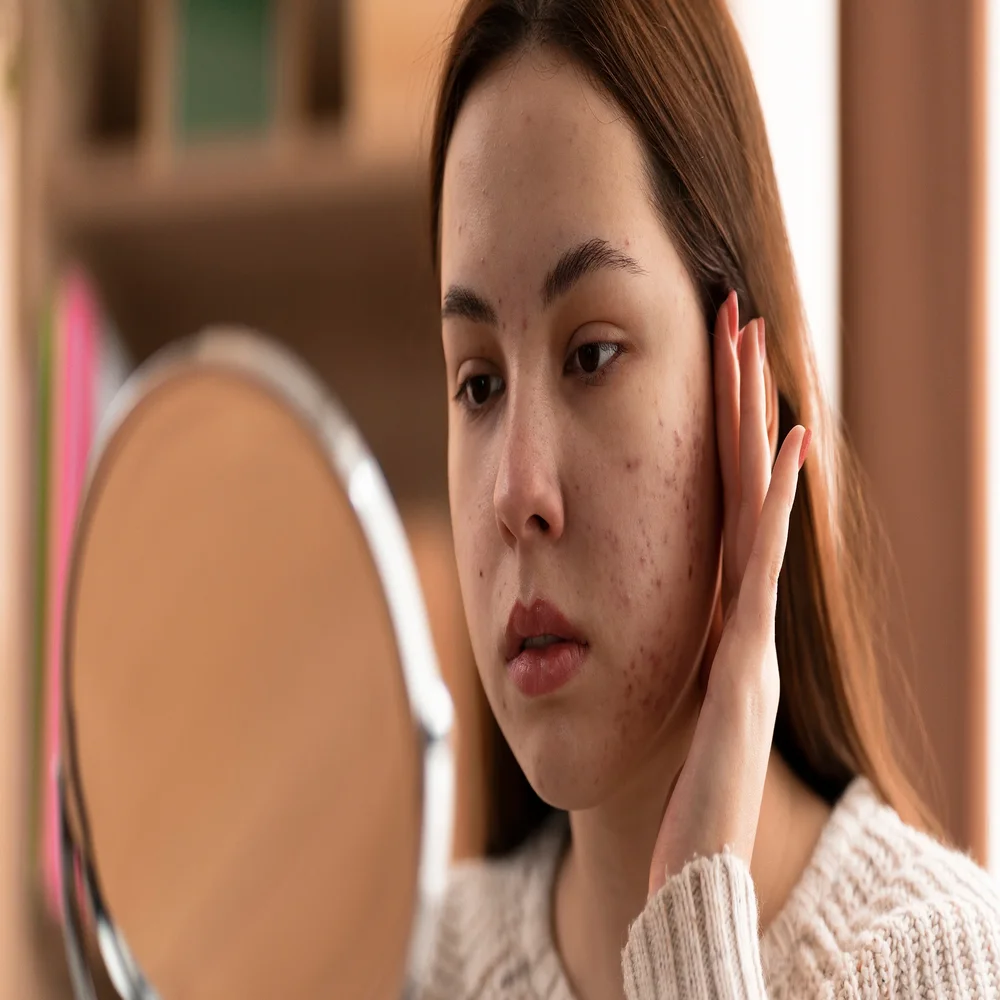
A typical Accutane course lasts about 5 to 6 months, but progress can vary depending on dose, acne severity, side effects, and medical plan.
The Accutane month-by-month pattern often includes early purging and dryness in the first month, clearer improvement by months 2 and 3, and the most visible clearing around months 4 to 5.
Some patients may see rough estimates such as 25% improvement in month 1, 50% by month 2, and up to 75% by month 3, but these numbers are not guaranteed.
Accutane Month 3: What to Expect

By the third month of isotretinoin treatment, some patients start to see fewer active breakouts, less oiliness, and calmer inflammation, but results can still vary. During Accutane month 3, it is still possible to have new pimples, purging, red marks, or slower progress, especially with severe or cystic acne.
Common side effects, such as dry lips, dry skin, dry eyes, nosebleeds, sun sensitivity, and joint or muscle discomfort, may persist during this stage.
Accutane in Month 2: Are Breakouts and Results Normal?
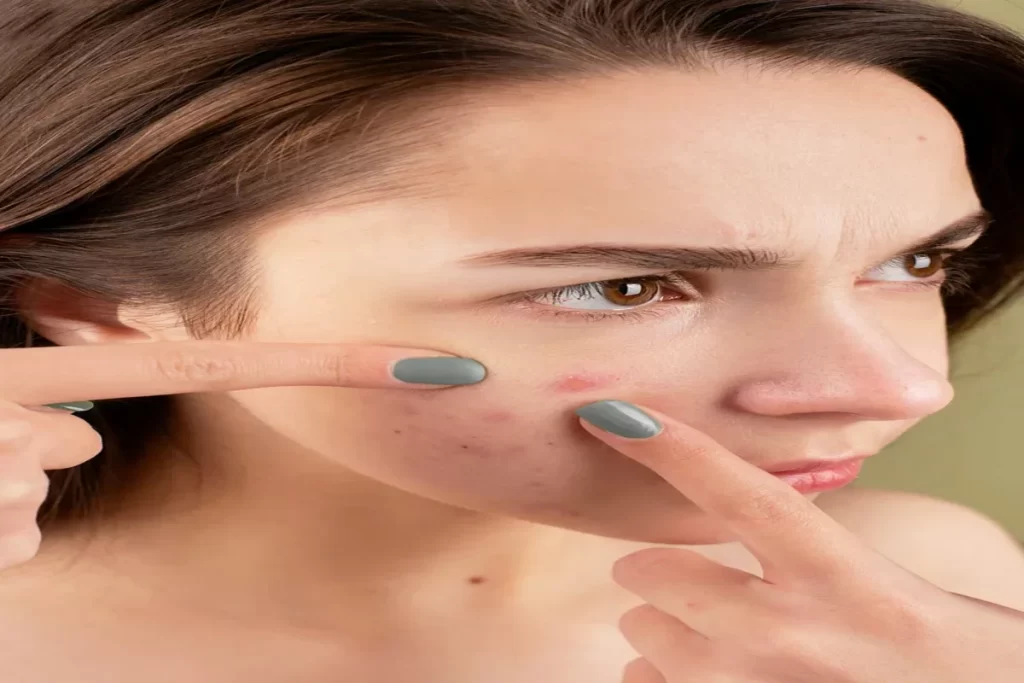
By Accutane month 2, many patients still have breakouts, and some may be in the peak of a temporary purge. Skin often becomes much less oily during this stage because isotretinoin reduces sebum production, shrinks sebaceous glands, helps limit clogged pores, and reduces acne-related inflammation.
Dry lips, dry skin, dry eyes, nosebleeds, and increased sun sensitivity are common side effects, so barrier care, lip balm, moisturizer, and sunscreen often become more important.
Accutane for Hyperpigmentation: What to Know
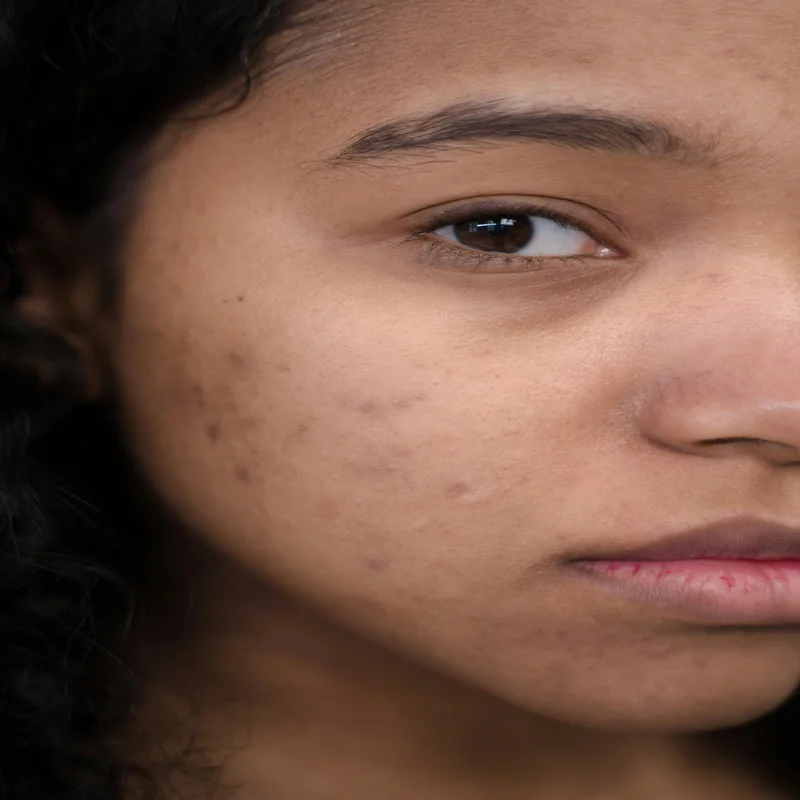
Accutane, also known as isotretinoin, can help reduce future acne-related dark spots by treating active acne, but it does not directly fade existing hyperpigmentation. Accutane for hyperpigmentation is best understood as an indirect approach, because fewer inflamed breakouts can lead to fewer new brown or red marks over time.
Accutane Benefits: Isotretinoin Risks and Effects
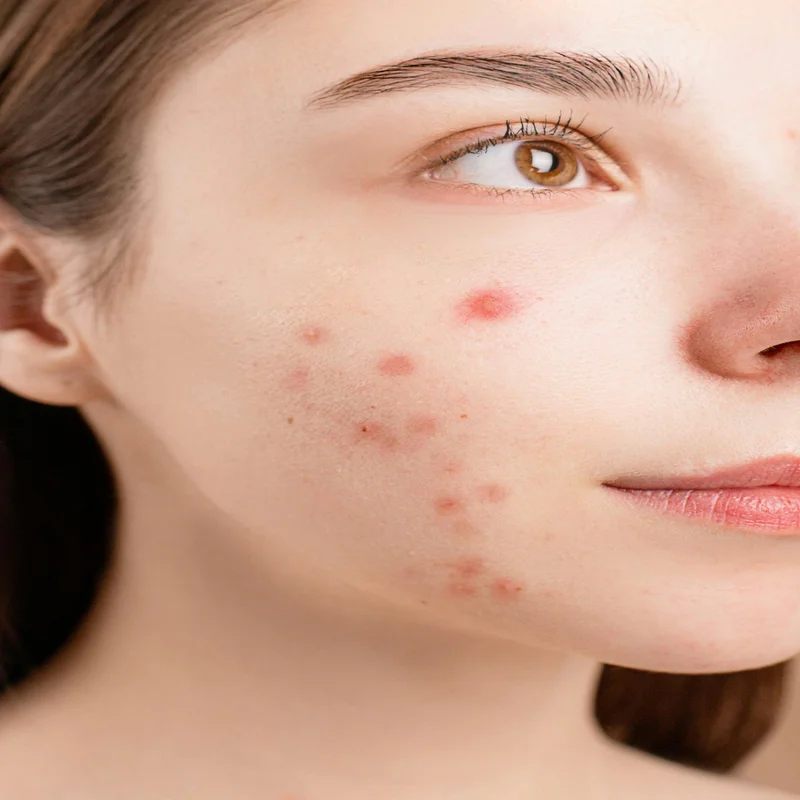
The main Accutane benefits include reduced oil production, fewer clogged pores, less inflammation, fewer deep breakouts, and a lower risk of future acne scarring. It may also lead to long-term remission for many patients, though results vary.
Isotretinoin does not work like a basic acne cream or antibiotic. It targets several acne pathways at once, including excess sebum production, pore blockage, and inflammation, while making the skin less hospitable to acne-causing bacteria. Its risks include dry lips, dry skin, dry eyes, joint pain, mood-related concerns, lab changes, and an increased risk of serious birth defects, so treatment requires medical screening and monitoring.