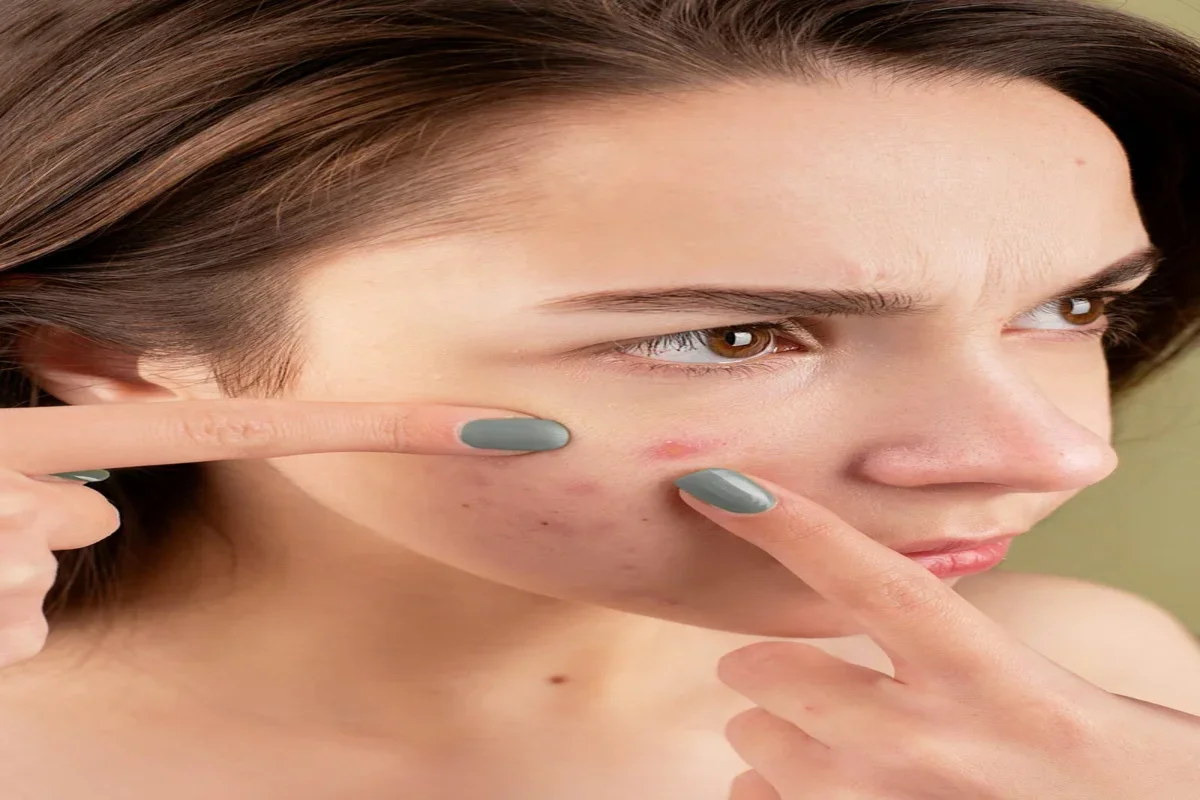
Key Takeaways
- Accutane can reduce severe acne by lowering oil production, but it often makes the skin dry and sensitive.
- A safe routine should include gentle cleansing, frequent moisturizing, lip balm, and daily broad spectrum sunscreen.
- Avoid harsh acne activities, scrubs, waxing, and products that may weaken the skin barrier.
- Signs that Accutane is working include less oil, fewer deep breakouts, and slower new acne formation.
- Contact a dermatologist for severe dryness, bleeding, mood changes, eye pain, infection, or pregnancy-related concerns.
Best Accutane Tips to Follow First
Take Accutane as Prescribed
Accutane treatment works by shrinking sebaceous glands and reducing oil production. This can help reduce severe acne, clogged pores, and the risk of acne scars over time. Patients should take isotretinoin only as prescribed because dose changes can affect results and side effects.
For patients comparing treatment options, understanding Accutane or birth control for acne can help explain why different acne plans work in different ways.
Keep Your Routine Simple
A simple skincare routine is safer because Accutane can make the skin dry and reactive. Too many products can increase irritation, redness, and peeling. The best Accutane tips and tricks focus on gentle cleansing, steady moisture, and sun protection.
Use Gentle Products
Choose mild products made for acne-prone skin and sensitive skin. Look for labels such as non-comedogenic, which means the product won’t clog your pores. Avoid strong fragrance, rough exfoliants, and harsh toners.
Wear Daily Sunscreen
Accutane can cause increased sensitivity to sunlight. Use broad-spectrum sunscreen every morning, even when the weather is cloudy. Sun protection helps reduce burning, irritation, and dark marks after breakouts.
Avoid Harsh Actives
Some acne products become too strong during isotretinoin treatment. Avoid benzoyl peroxide, salicylic acid, glycolic acid, and a topical retinoid unless your dermatologist approves them. These ingredients may make the skin barrier weaker during treatment.
Don’t Wax or Scrub Skin
Waxing can tear fragile skin during Accutane use. Scrubs can also worsen dryness and inflammation. Use gentle shaving methods and avoid treatments that pull, scrape, or peel the skin.
What to Avoid During Accutane Treatment
Accutane can make the skin thinner, drier, and more sensitive. This means some normal skin care steps can irritate the treatment. Patients should avoid adding new acne products unless a dermatologist approves them.
Avoid these common triggers during Accutane treatment:
- Vitamin A supplements
- Tanning beds
- Harsh exfoliating acids
- Retinol or topical retinoid products
- Waxing
- Facial scrubs
- Strong acne spot treatments
- Alcohol-based toners
These products and habits can weaken the skin barrier. A simpler routine usually works better while the medication lowers oil production.
Accutane Dryness Tips
Cleanse Without Stripping
Use a gentle cleanser once or twice daily. The cleanser should remove oil and sunscreen without making the skin dry or tight. Hot water can worsen dryness, so use lukewarm water instead.
Moisturize More Than Once

Moisturise More Than Once
Moisturiser helps replace natural moisture that drops as oil production slows. Ingredients like hyaluronic acid can help hold water in the skin. A thicker cream may work better than a light lotion when dryness becomes more noticeable.
Protect Lips, Nose, and Eyes
Dry lips are one of the most common effects of Accutane. Use lip balm often, especially before sleep and before going outside. A small amount of ointment may also help dry nostrils, but eye dryness should be discussed with a clinician if it becomes painful.
How to Choose Accutane-Safe Products
The best products during Accutane are gentle, fragrance-free, and non-comedogenic. Non-comedogenic means the product won’t clog your pores, which matters for acne-prone skin. A basic routine should support natural moisture without adding heavy pore-clogging ingredients.
Look for products that include:
- Ceramides
- Glycerin
- Hyaluronic acid
- Petrolatum for lips or cracked areas
- Broad spectrum SPF 30 or higher
Avoid products that sting, burn, or leave the skin dry after use. Burning is often a sign that the skin barrier needs more support, not stronger acne treatment.
Accutane Side Effects to Expect
Dryness and Sensitivity
Dry skin, chapped lips, and peeling are common side effects during isotretinoin treatment. These symptoms happen because sebaceous glands produce less oil. Gentle care can reduce discomfort, but some dryness is expected.
Purging and Breakouts
Some patients notice more breakouts early in treatment. This can happen before acne starts to calm down. Purging does not always mean the medicine is failing, but severe flares should be reported.
Mood or Body Changes
Some patients report mood changes, headaches, muscle aches, or fatigue during treatment. These symptoms do not happen to everyone. Patients should report any new or concerning changes rather than waiting until the next visit.
Pregnancy and Safety Risks

Isotretinoin can cause serious pregnancy risks. Patients who can become pregnant must follow their required prevention plan and testing schedule. This safety step is a central part of Accutane tips and skincare routine planning.
What If Acne Gets Worse First?
Acne can sometimes flare during the first weeks of Accutane. This may happen as clogged pores and deeper inflammation move through the skin. A short flare does not always mean the treatment is failing.
Patients should not pick at new breakouts because this can increase irritation and the risk of acne scars. If the flare is painful, widespread, or severe, it should be reported to a dermatologist. A clinician may adjust the dose or recommend supportive care.
Signs That Accutane Is Working
Less Oil Production
One early sign is less facial oil. The skin may feel less greasy during the day. This change can also make dryness more noticeable.
Fewer Deep Breakouts
Deep cystic pimples may appear less often as treatment continues. Existing bumps may also heal more slowly at first, then improve over time. This pattern varies by dose, acne severity, and skin response.
Slower New Acne Formation
A useful sign is fewer new clogged pores and inflamed lesions. The medication targets pore clogging, oil, and inflammation. Results usually build gradually, not overnight.
Dermatologist Monitoring and Follow-Ups
Lab Tests and Dose Adjustments
Dermatology follow-ups help track safety and response. Blood tests may check liver markers, cholesterol, or other health factors based on clinical judgment. Dose changes may be needed if dryness, irritation, or other symptoms become difficult to manage.
Side Effects to Report
Patients should report severe cracking, bleeding, eye pain, mood changes, strong headaches, or signs of infection. They should also mention any new medications or supplements. Clear communication helps the clinician adjust care safely.
What to Expect Over Time
First Month
The first month often brings dryness, lip irritation, and possible purging. Oil may begin to drop before acne fully improves. A gentle routine should start early, not after irritation becomes severe.
Months Two to Four
Many patients begin to see fewer breakouts during the middle months. Skin may still feel dry, sensitive, and more easily irritated. Consistent moisturisin and sunscreen remain important during this stage.
After Treatment Ends
Some dryness may continue for a short time after treatment stops. Long-term results after Accutane vary, and some patients may need future acne care.
A dermatologist can explain maintenance options based on skin type, relapse risk, and treatment history. Patients may also want to understand the Accutane cost per month when planning follow-up care, lab visits, and treatment-related expenses. Speaking with a dermatologist early can help you prepare for both the medical and financial aspects of long-term acne treatment.