
Key Takeaways
- Accutane usually starts working gradually, with early changes such as reduced oiliness or fewer new breakouts appearing within the first few weeks.
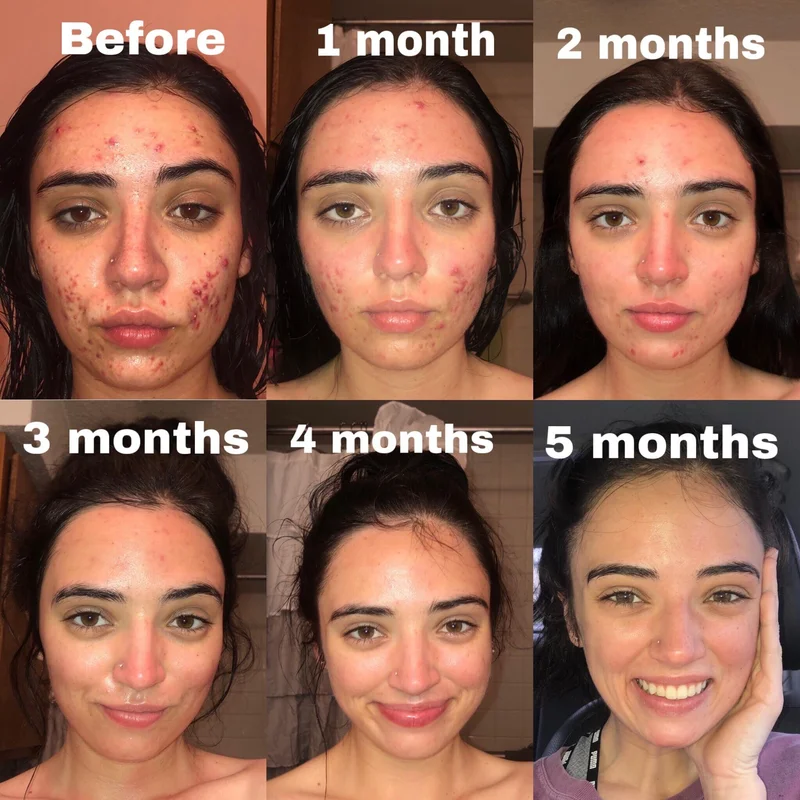
- Visible improvement in acne often becomes clearer within 1 to 3 months, while full clearing may take 4 to 6 months.
- Acne can worsen during the first few weeks or months before it improves, which does not always mean treatment is failing.
- Dose, acne severity, skin type, and consistency with treatment can affect how long Accutane takes to work.
- Dermatologist follow-up is important during treatment to monitor side effects, lab results, pregnancy safety, and overall progress.
When Does Accutane Start Working?
Some people notice less oil or fewer new breakouts within the first few weeks, but visible acne improvement often takes longer. The American Academy of Dermatology notes that acne can worsen for 1 to 2 months after starting isotretinoin before it begins to clear.Why Results Vary
Accutane (isotretinoin) works by shrinking oil glands, reducing oil production, clearing clogged pores, and helping control inflammation. These changes do not happen overnight because acne forms below the skin before it becomes visible.
The timeline depends on acne severity, dose, body weight, treatment plans, and how the skin responds during the course of treatment.Accutane Results Timeline
1 Week Accutane Results
During the first week, most patients do not see major acne clearing. Early changes may include dry lips, dry skin, or reduced facial oil. These signs can show that Accutane therapy has started to affect the oil glands, but they do not prove that acne will clear quickly.
Accutane Results After 1 Month
After 1 month, some patients see fewer new pimples or less oily skin. Others may notice more breakouts, especially if they have inflamed acne, cystic acne, or deep clogged pores. This early worsening can feel concerning, but it can be part of the adjustment period in Accutane treatment.
Months 2 to 3
Months 2 to 3 often show clearer progress. New breakouts may become less frequent, and painful bumps may start to calm. This stage helps the dermatologist determine whether the current dose and skincare routine support the patient’s acne treatment plan.
Months 4 to 6
Many patients see significant improvement later in treatment, often between months 4 and 6. Active acne may become less frequent, less inflamed, and easier to control. Red marks, dark spots, and scars can remain after acne improves, so clearer, healthier skin may take longer than acne control itself.
How Long Does Accutane Take to Work 20 mg?
Why 20 mg May Take Longer
A 20 mg dose may take longer to show a visible change than a higher dose, which is why low-dose Accutane should be understood within the full treatment plan. Lower-dose plans may help some patients manage dryness or other potential side effects, but the acne response can be slower. Patients should not change their dose without medical guidance because isotretinoin requires careful monitoring.
When Lower Doses Are Used
A dermatologist may use a lower dose based on acne type, body weight, side effect risk, medical history, or tolerance. A lower dose can still treat acne, but it may require more time and follow-up. The goal is steady progress during the full course of treatment, not instant clearing.
Signs That Accutane Is Working
Less Oil and Fewer Breakouts
Signs that Accutane is working often include reduced oiliness. The face may look less shiny, pores may clog less often, and fewer new, inflamed pimples may appear. Dry lips and skin are common, but dryness alone does not indicate how quickly acne will improve.
Improvement After Purging
Some patients notice worse acne before improvement. This pattern does not always mean the medication has failed. A more useful sign is a gradual shift from frequent new breakouts to fewer, smaller, and less painful lesions over time.
Can Accutane Clear Skin in 2 Weeks?
What Can Change Early
Accutane may start working inside the skin before results are visible. In 2 weeks, patients may notice dryness, less facial oil, or small changes in breakout patterns. Full clearing within 2 weeks is not realistic for most patients, as inflamed pores and cysts require more time to heal.
Why Clearing Takes Months
Accutane takes to work timelines vary because acne develops in cycles. Existing clogged pores may surface while the medication reduces future oil production. This is why dermatologists often evaluate progress across months, not days or single weeks.
What Are the Worst Months on Accutane?
Why Acne May Worsen First
The hardest months are often the first 1 to 2 months. Acne can flare during this period, and dryness may become more noticeable. The American Academy of Dermatology describes worsening acne as a temporary side effect that may happen before the skin begins to clear.
When Breakouts Usually Improve
Breakouts often improve after the early adjustment period, but the timing differs from person to person. Some patients improve steadily, while others improve later in the course. A dermatologist can review acne activity, side effects, photos, and lab results before changing the plan.
What Affects Your Accutane Timeline?
Dose and Treatment Plan
Dose affects how long it takes for Accutane to show results. Higher doses may lead to faster changes for some patients, but they may also increase dryness, irritation, and other long-term Accutane effects that should be reviewed with a dermatologist. Lower doses may feel easier to tolerate, but the visible response may take longer.
Acne Severity and Skin Type
Severe acne usually takes longer to improve than mild acne. Deep cysts, widespread inflammation, and long-term acne can slow visible progress. Skin type also matters because sensitive skin may become dry, red, or irritated during treatment.
Consistency and Follow-Up
Patients need to follow their prescribed plan and attend follow-up visits. Missed doses, treatment gaps, and unmanaged side effects can affect progress. Regular visits also help the clinician decide whether the plan remains safe and appropriate.
Safety and Dermatologist Follow-Up

Side Effects to Report
Patients should report severe headache, vision changes, mood changes, severe stomach pain, unusual muscle pain, or side effects that feel hard to manage. The Mayo Clinic states that regular visits and blood tests may be needed to monitor progress and potential side effects during isotretinoin use. This monitoring helps balance acne control with patient safety.
When Results Feel Delayed
Delayed progress does not always mean the medication is failing. A dermatologist may review the dose, adherence, skin care products, acne type, and other medications before changing treatment.
Patients should speak with their dermatologist if acne continues to worsen, side effects become difficult to manage, or improvement remains unclear after several months, especially before they start treatment or adjust an existing plan.
Pregnancy Safety and Monitoring
Isotretinoin can cause serious birth defects if taken during pregnancy. MedlinePlus states that patients who are pregnant or may become pregnant should not take isotretinoin because of the high risk of pregnancy loss, early birth, death shortly after birth, or birth defects. Patients who can become pregnant may need monthly pregnancy tests and approved forms of birth control as part of safety rules.
Common Accutane Timeline Misconceptions
Purging Does Not Mean Failure
Purging can occur, but not every patient experiences it. Some people improve without a major flare, while others worsen before they improve. The first few weeks do not show the full response to Accutane treatment.
Red Marks Can Outlast Acne
Red marks and dark spots can remain after active acne improves. These marks are not the same as new acne, and they may need separate care after the inflammation calms. Accutane can reduce acne, but it does not erase every scar or discoloration within the same timeframe.