
The best dermatologist-recommended deodorant depends on your main problem. If odor bothers you, choose a gentle, fragrance-free deodorant. If sweat is the issue, choose an antiperspirant, and go clinical strength if you sweat heavily.
At DermOnDemand, board-certified dermatologist Dr. Ross Atkins helps people match a product to their skin type. The picks below cover sensitive skin, sweat, odor, and tight budgets.
Key Takeaways
- Dermatologists recommend deodorants that fight odor-causing bacteria, and antiperspirants that reduce sweat, without harsh additives.
- Sensitive skin often does best with fragrance-free or aluminum-free formulas, which lower the risk of irritation.
- For heavy sweating, a clinical-strength antiperspirant gives stronger and longer-lasting protection.
- Dermatologist-tested deodorants at most drugstores keep daily use affordable.
- A board-certified dermatologist, such as Dr. Ross Atkins at DermOnDemand, can match the right product to your skin type and lifestyle.
What Deodorant Is Recommended by Dermatologists?
So, what is the best deodorant? There is no single winner, because the right one depends on your skin and how much you sweat. Dermatologists recommend a gentle deodorant when odor is the only issue, and an antiperspirant when sweat is the issue.
These quick picks cover the most common cases:
- Sensitive skin, odor only: Vanicream Deodorant or Each & Every “Nothing On.” Both are fragrance-free and aluminum-free, and neither contains baking soda.
- Sensitive skin and sweat: Vanicream Anti-Perspirant/Deodorant, a fragrance-free clinical strength stick.
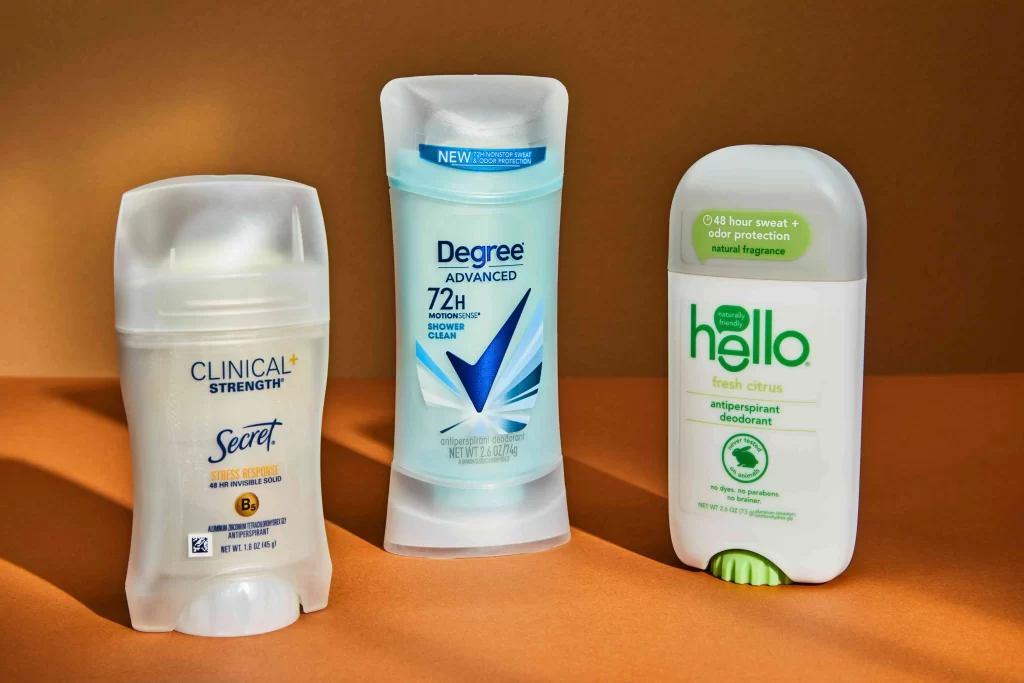
- Heavy sweating: Secret Clinical Strength or Gillette Clinical Strength. A board-certified dermatologist recommended both in an International Hyperhidrosis Society article.
- Tight budget: clinical strength products are sold over the counter at most drugstores, so you do not need a premium brand. See the affordable picks below.
For Sensitive Skin (Men and Women)
Deodorants for sensitive skin avoid alcohol and strong scents. Natural deodorants can still irritate if they rely on essential oils for fragrance, so read the label.
Fragrance-Free and Aluminum-Free Options
Fragrance-free and aluminum-free deodorant is often the best deodorant for sensitive skin, and is dermatologist-recommended. These formulas skip aluminum compounds and added scents that may irritate skin.
For Excessive Sweating
The best deodorant for sweating is usually an antiperspirant. Deodorants fight odor but do not stop sweat, and the American Academy of Dermatology advises antiperspirant over deodorant when sweat is the problem.
Clinical strength formulas use stronger actives to block sweat. Apply them to dry skin. If a dermatologist prescribes one, apply it before bed, as the AAD advises.
- Certain Dri Prescription Strength Roll-On
- Secret Clinical Strength Invisible Solid
- Gillette Clinical Clear Gel
- Carpe Underarm Antiperspirant: people often search for a Carpe deodorant, but this is an antiperspirant lotion with a built-in applicator, made for heavy underarm sweat.
For Odor and Smelly Armpits
Sweat itself has little smell. Odor starts when bacteria on your skin break it down. The best deodorant for body odor, and for smelly armpits in particular, fights those bacteria and neutralizes the smell.
Scented options like Lavender & Lemon use essential oils for fragrance, so skip them if your skin reacts easily.
Best Deodorants for Men and Women
Best Deodorant for Men
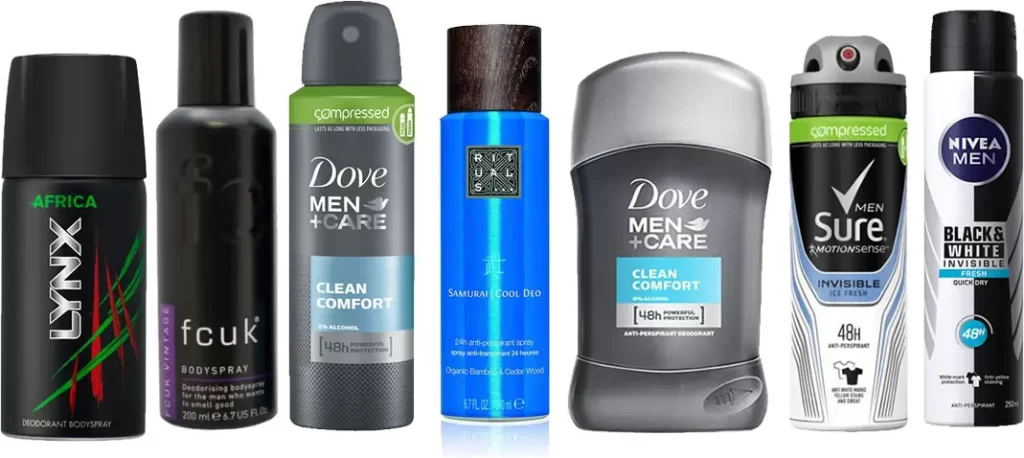
The best deodorant for men is the one that fits the problem: a deodorant for odor, or an antiperspirant for sweat. Many men pick a deodorant and antiperspirant in one. A dermatologist-recommended deodorant for men controls odor and cares for skin.
Men’s and women’s products work the same way. The odor-fighting ingredients are generally the same, and the difference is mostly scent, with men’s versions usually stronger and muskier. Pick by need, not by the label on the package.
Best Deodorant for Men With Sensitive Skin
Heavily scented deodorants are a common trigger for irritation, and men’s versions often carry stronger scents. The best deodorant for men with sensitive skin skips fragrance and alcohol. Vanicream Deodorant and Each & Every “Nothing On,” both listed above, are options.
Skip baking soda too, which can irritate sensitive underarms. If you sweat heavily, an antiperspirant works better than an aluminum-free deodorant.
Best Deodorant for Women
The best deodorant for women is gentle and safe for daily use. Natural and aluminum-free deodorants are good choices.
Women’s products are usually lighter and more floral in scent. If fragrance bothers you, choose a fragrance-free formula instead.
Best Deodorant for Women With Sensitive Skin
Sensitive underarms react to fragrance, alcohol and sometimes essential oils. The best deodorant for women with sensitive skin is fragrance-free and aluminum-free. Vanicream Deodorant and Each & Every “Nothing On,” both listed above, fit that description, and neither contains baking soda.
If you also sweat a lot, a deodorant alone will not stop it. See the antiperspirant section below.
Best Clinical Deodorant for Women
The best clinical deodorant for women is a clinical strength antiperspirant, because a deodorant alone does not stop sweat. The best antiperspirant for women who sweat heavily uses a higher percentage of aluminum to block it.
Secret Clinical Strength is a widely available option at most drugstores. It comes in scented versions, so check the label if fragrance bothers you.
Clinical strength can irritate sensitive underarms. Apply it to dry skin, and if you notice redness or burning, switch to a gentler formula.
Deodorant vs. Antiperspirant: Dermatologist Advice
Key Ingredient Differences
A regular deodorant lowers body odor but does not stop sweat. An antiperspirant uses aluminum compounds to block sweat, which also reduces odor.
Many products combine both. The best antiperspirant deodorant is a fragrance-free combination formula if your skin is reactive, or a clinical-strength one if you sweat a lot.
When to Choose Antiperspirant
If odor is the main issue, a deodorant is enough, including natural deodorants. If heavy sweat is the problem, use a dermatologist-recommended antiperspirant with clinical strength.
Best Antiperspirant: Match the Strength to Your Sweat
The best antiperspirant for most people is a regular-strength formula. If you sweat heavily, the best antiperspirant is a clinical strength one, because strength depends on the type and amount of aluminum salt.
Antiperspirants made for heavy sweating typically use about 12% to 30% aluminum. Aluminum chloride is the strongest and the most irritating. Aluminum sesquichlorohydrate is gentler but weaker.
In practice:
- Moderate sweat: an ordinary drugstore antiperspirant.
- Heavy sweat: a clinical strength stick like Secret Clinical Strength or Gillette Clinical Strength.
- Very heavy sweat: Certain Dri, which uses aluminum chloride. Apply it at night to dry skin, and expect more irritation risk on sensitive or freshly shaved skin.
- Sensitive skin: a fragrance-free formula, covered next.
Antiperspirant for Sensitive Skin
The best antiperspirant for sensitive skin still contains aluminum, because aluminum is what blocks sweat. An aluminum-free deodorant will not stop sweat.
Choose a fragrance-free formula, such as the Vanicream stick in the quick picks above, and apply it to dry skin. Avoid it on freshly shaved or broken skin, which can sting.
If you sweat a lot and your skin reacts, start with a regular-strength antiperspirant before moving up to clinical strength.
Is Antiperspirant Safe for Women?
The safest antiperspirant for women is the one your skin tolerates: fragrance-free, applied to dry skin, and never used on broken skin. Major health organizations have found no conclusive evidence linking antiperspirants to breast cancer.
The American Cancer Society notes that only a tiny fraction of the aluminum, about 0.012% in one study, is absorbed through the skin.
If you would rather avoid aluminum, switch to an aluminum-free deodorant, but expect odor control without sweat control. On the day of a mammogram, skip both products, because aluminum can show up as specks on the scan.
Stick, Gel or Roll-On
Format changes how a product goes on, not what it does. The active ingredient matters more.
The best roll-on deodorant is the one with the right formula for your skin. Roll-ons go on wet and need a minute to dry. Sticks go on drier, and clear gels dry without residue. The Certain Dri roll-on above is an antiperspirant for heavy sweating.
Special Cases and Medical Guidance
Pregnancy-Safe and Gentle Options
Some cases, like pregnancy or chronic irritation, may need extra care. If you are pregnant, ask your OB-GYN or dermatologist before switching to a stronger antiperspirant. A fragrance-free, aluminum-free deodorant from the lists above is an easy, gentle option.
Learn more about when to see a dermatologist for early detection and treatment.
Affordable and Accessible Choices
Best Drugstore Deodorant (Dermatologist Approved)
You do not need to spend a lot to get a safe and effective deodorant. Many drugstore options are dermatologist-tested deodorants that give good odor and sweat control:
- Dove Advanced Care Sensitive 0% Aluminum: gentle, no aluminum, good for daily use.
- Secret Clinical Strength Invisible Solid: strong antiperspirant protection at a drugstore price.
- Gillette Clinical Strength Clear Gel: strong sweat control in a clear gel.
Best Affordable Options for Sensitive Skin
People with sensitive skin can also find gentle deodorants at budget prices. These are unscented and aluminum-free:
- Vanicream Aluminum-Free Deodorant: made for sensitive skin, no fragrance or dyes.
- Arm & Hammer Essentials Unscented: affordable and aluminum-free, but it contains baking soda, which can irritate very sensitive skin.
- Tom’s of Maine Long-Lasting Unscented: aluminum-free natural deodorant with no added fragrance.
Common Irritants to Avoid
Alcohol and Fragrance
Alcohol and strong scents can irritate skin. Dermatologists suggest fragrance-free products to avoid redness.
Aluminum Salts and Preservatives
Some people react to aluminum compounds or harsh preservatives, and aluminum-free deodorant is a gentler choice for them. For the safety question, see “Is Antiperspirant Safe for Women?” above.
How Dermatologists Choose the Right Deodorant
Skin Sensitivity Considerations
Board-certified dermatologists like Dr. Ross Atkins check skin type and history before giving advice. You can also consult a board-certified dermatologist through DermOnDemand for fast, expert guidance.
Sweat Levels and Lifestyle
Active individuals or those with excessive sweating may require clinical strength. Others may do fine with regular deodorant.
Start Your Personalized Dermatology Plan
DermOnDemand gives fast and private help from experts. Start your online skin care plan today and get advice on the right dermatologist-approved deodorant within 24 hours.