Introduction
Employee wellness is a top priority for organizations aiming to create a healthy and productive workforce. As part of comprehensive healthcare benefits, dermatology services play a vital role in addressing skin-related concerns and promoting overall well-being. Understanding how often employees utilize dermatology services can provide valuable insights for companies in optimizing their healthcare offerings and ensuring employees have access to the necessary care.
The Importance of Dermatology Services
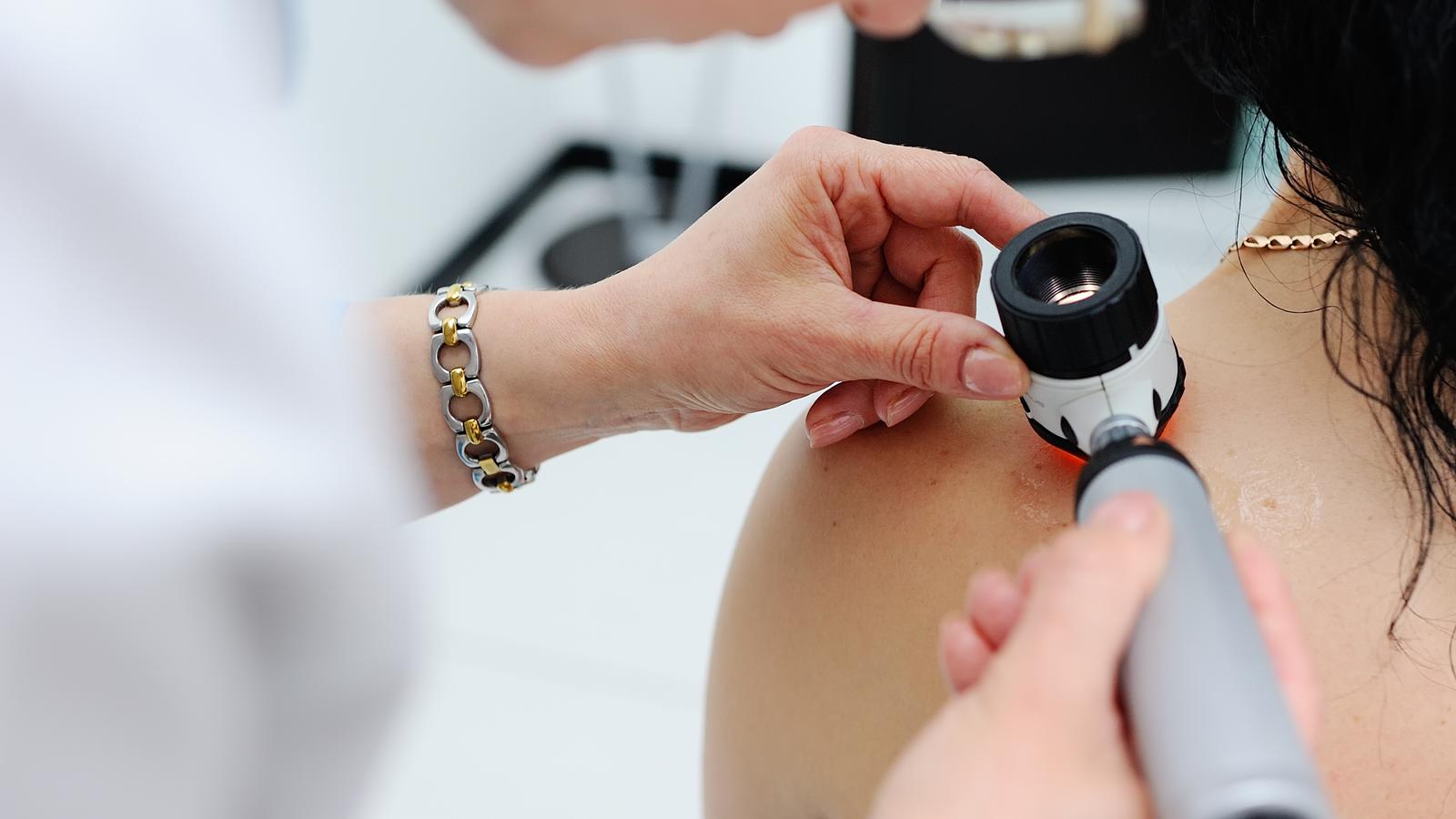
Dermatology services encompass a wide range of treatments and care for various skin conditions, including rashes, acne, eczema, psoriasis, and skin cancer screenings. These services are essential for maintaining healthy skin, preventing disease progression, and addressing cosmetic concerns that may impact an individual’s confidence and well-being.
Frequency of Employee Utilization
The frequency at which employees use dermatology services can vary depending on several factors. While precise statistics on employee utilization may vary across different industries and demographics, the following factors influence the frequency of employee engagement with dermatology services:
- Prevalence of Skin Conditions: Skin conditions are common, affecting individuals of all ages and backgrounds. Dermatology services are sought by employees facing a broad range of issues, from mild irritations to chronic conditions. The frequency of utilization can be influenced by the prevalence of specific skin conditions within the employee population.
- Awareness and Accessibility: Employees’ utilization of dermatology services can be influenced by their awareness of available resources and ease of access. Companies should provide clear information about the availability of dermatology services, promote awareness of their benefits, and ensure convenient access through telemedicine or partnerships with local dermatology clinics.
- Employee Engagement: The level of engagement among employees in managing their health and seeking preventive care can impact the frequency of dermatology service utilization. Companies can encourage employees to prioritize their well-being through wellness programs, educational campaigns, and proactive health initiatives that promote regular dermatological check-ups.
- Work Environment and Exposure: Certain industries and work environments may increase the risk of specific skin conditions. For example, employees in outdoor or physically demanding occupations may be more prone to sun-related skin issues. Understanding the unique risk factors in different work environments can help companies tailor their dermatology services and support accordingly.
- Demographic Factors: Demographic factors, such as age, gender, and ethnic background, can influence the frequency of dermatology service utilization. For example, certain age groups may be more prone to specific skin conditions or have different cosmetic needs. Companies should consider these factors when designing their healthcare benefits and identifying areas of focus.
Benefits of Monitoring Utilization
Tracking the frequency of employee dermatology service utilization provides several benefits for companies:
- Tailored Healthcare Offerings: By analyzing utilization patterns, companies can gain insights into the specific needs of their employees and tailor their dermatology services accordingly. This ensures that the provided services align with the prevalent skin conditions and concerns within the employee population.
- Resource Allocation: Understanding utilization patterns helps companies optimize resource allocation. It enables them to allocate appropriate funding, staffing, and infrastructure to meet the demand for dermatology services effectively. This ensures that employees receive timely care without overwhelming the healthcare system.
- Proactive Health Management: Monitoring utilization allows companies to identify trends and patterns in skin conditions among employees. This information can be used to develop proactive health management strategies, including preventive education, targeted wellness programs, and early intervention initiatives to address common skin issues.
- Enhanced Employee Satisfaction and Retention: Offering comprehensive dermatology services that meet employees’ needs contributes to higher employee satisfaction and increased retention rates. Accessible and high-quality care can create a positive work environment and reinforce a company’s commitment to employee well-being.
Conclusion
Understanding how often employees utilize dermatology services is crucial for companies aiming to provide comprehensive healthcare benefits. By analyzing utilization patterns, organizations can tailor their offerings, optimize resource allocation, and develop proactive health management strategies. Prioritizing employee skin health not only enhances well-being but also contributes to a more engaged, satisfied, and productive workforce.