Key Takeaways
- Accutane, the former brand name for isotretinoin, is primarily used for severe, persistent, cystic, or scarring acne that has not responded adequately to other treatments.
- The main benefits include less oil production, fewer clogged pores, reduced inflammation, fewer deep breakouts, and a lower risk of future acne scarring.
- Isotretinoin may also improve skin texture, reduce facial shine, and lower painful acne flares as severe acne becomes controlled.
- Treatment can cause side effects such as dry lips, dry skin, dry eyes, joint pain, mood-related symptoms, and lab changes that need medical review.
- Isotretinoin requires medical monitoring, blood tests, pregnancy-prevention steps, and realistic expectations because results and risks vary by patient.
What Are the Main Accutane Benefits?
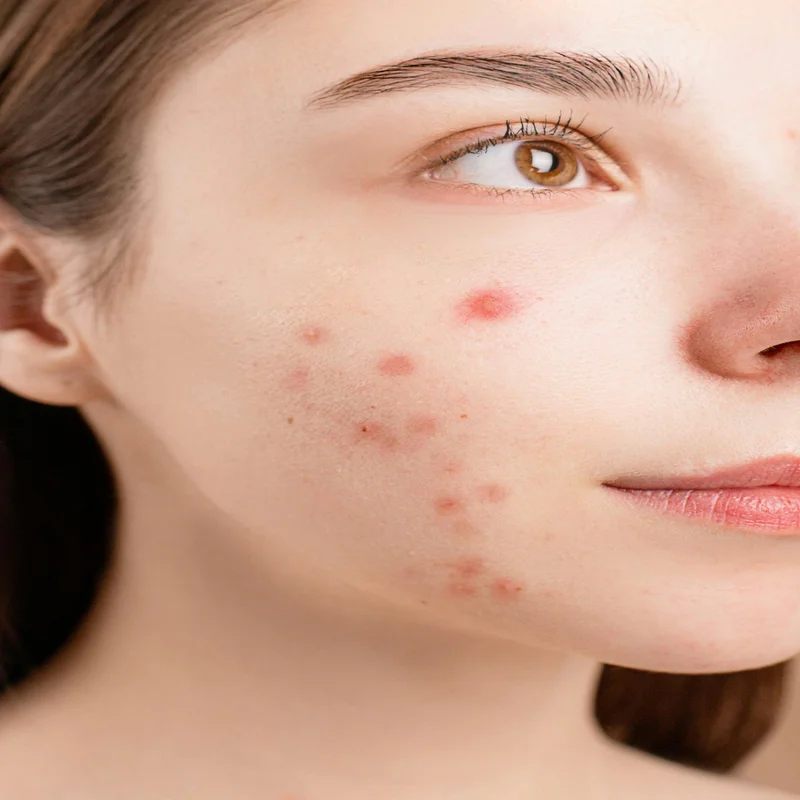
Accutane is the older brand name many people still use for isotretinoin, an oral medication for severe or treatment-resistant acne. The main Accutane benefits include reduced oil production, fewer clogged pores, less inflammation, fewer deep breakouts, and a lower risk of future acne scarring.
Doctors usually consider isotretinoin when acne is severe, scarring, painful, or not improving with other treatments. For some patients, it may also lead to long-term acne remission, although results vary and treatment requires medical monitoring.
Less Oil and Fewer Breakouts
Isotretinoin reduces the activity of the skin’s oil glands. Less oil can make pores less likely to trap dead skin cells and bacteria. This can reduce the number and severity of breakouts over time.
Lower Risk of Acne Scarring
Severe acne can damage deeper skin tissue and lead to acne scarring. By reducing painful nodules and cysts, isotretinoin may lower the risk of new scars. It does not remove old scars, but it may help prevent more damage.
Longer Remission After Treatment
Some people have longer periods of clearer skin after finishing a course of treatment. This makes isotretinoin different from many topical creams or antibiotics that only work while being used. Results vary, and relapse can still happen.
How Isotretinoin Benefits Severe Acne
The benefits of isotretinoin are strongest for severe nodular acne, cystic acne, or acne that keeps returning. It targets several causes of acne simultaneously. This is why it can be an effective treatment for selected patients.
Shrinks Overactive Oil Glands
Oil glands can become overactive during acne flares, producing excess sebum that contributes to clogged pores and inflammation. Isotretinoin reduces the size and activity of these glands, which lowers oil output over time.
With less oil on the skin, pores are less likely to become blocked, and deep acne breakouts may become less frequent. This is one reason isotretinoin can work for severe or treatment-resistant acne when other treatments have not been enough.
Calms Acne Inflammation
Inflamed acne can feel sore, swollen, and deep under the skin. Isotretinoin can reduce inflammatory acne lesions over a treatment course. This may help patients with painful breakouts.
Helps Treatment-Resistant Acne
Some acne does not respond adequately to topical products, oral antibiotics, or hormonal options. In those cases, isotretinoin may become part of a treatment plan. A dermatologist first weighs the skin condition, past treatments, and health history.
Who Is a Good Candidate for Isotretinoin?
Isotretinoin is usually considered for people with severe nodular acne, cystic acne, scarring acne, or acne that keeps returning after other treatments. A dermatologist may also consider it when topical products, oral antibiotics, or hormonal treatments do not adequately control acne.
The decision depends on acne severity, medical history, potential for pregnancy, current medications, and the patient’s ability to comply with monitoring requirements.
Accutane Benefits Other Than Acne
Accutane benefits beyond acne usually relate to how the skin changes as severe breakouts subside. These changes are not separate cosmetic promises. They are possible effects of reducing active acne and excess oil.
Smoother Skin Texture
Skin may feel smoother when fewer inflamed bumps form. Texture can also improve when new cysts and nodules stop developing. Older scars or deep marks may need separate treatment later.
Less Shine and Oiliness
Lower oil production can reduce shine on the face. Some people see this as one of the benefits of Accutane for skin. Dryness can also occur, so gentle moisturizing often matters.
Fewer Painful Acne Flares
Cystic acne can cause deep, tender lumps that may last for weeks and feel painful during daily activities. Isotretinoin may reduce these deeper flares in people who are good candidates by lowering oil production, clogged pores, and inflammation.
Fewer painful breakouts can make skin care easier and may reduce the chance of acne marks or scarring over time. This benefit is one reason doctors may consider isotretinoin for severe, persistent, or scarring acne.
Accutane Benefits and Side Effects

A balanced article must explain the risks and benefits of Accutane together. Isotretinoin can help severe acne, but it also has potential side effects that require medical supervision. Common effects include dry lips, dry skin, and dry eyes.
Common Accutane Side Effects
Dryness is one of the most common issues. Patients may need lip balm, moisturizer, sunscreen, and eye drops. People who wear contact lenses may notice more irritation from dry eyes.
What Are the Worst Side Effects?
More serious risks can involve mood changes, vision symptoms, severe headaches, liver changes, cholesterol changes, or joint pain. Some patients ask about mental health because mood symptoms have been reported during treatment. Any concerning symptom should be discussed with the prescribing clinician.
Long-Term Side Effects of Accutane in Females
Female patients may search for long-term risks because isotretinoin has strict pregnancy rules. Long-term effects vary, and not every symptom after treatment comes from the medication. A clinician should review menstrual history, pregnancy plans, mood history, and other medications.
Pregnancy Safety Rules
Isotretinoin can cause serious birth defects if taken during pregnancy. The FDA requires the iPLEDGE REMS program to reduce fetal exposure to isotretinoin products. Patients who can become pregnant may need pregnancy testing and approved forms of birth control.
Blood Tests and Safety Monitoring
Blood tests may be used to monitor liver and lipid changes during Accutane treatment. Follow-up visits help the clinician adjust care and review side effects. Monitoring does not eliminate all risks, but it helps identify problems earlier.
Medication and Safety Precautions
Patients should tell their clinician about all prescription drugs, supplements, and over-the-counter products before starting isotretinoin. Some medicines and supplements, including vitamin A products and certain antibiotics, may increase the risk of side effects or interactions.
Patients should also follow sun-protection guidance, as isotretinoin can increase skin sensitivity to sunlight.
Some procedures may need to wait during or after treatment. Cleveland Clinic notes that waxing, dermabrasion, and laser procedures can increase the risk of scarring while taking isotretinoin and for a period after the last dose.
Is Accutane Worth the Risks?
Whether isotretinoin is worth the risk depends on acne severity, scarring risk, medical history, and patient preferences. For some people with severe acne, the possible benefit may outweigh the increased risk of side effects. For others, safer or simpler options may be a better fit.
When Benefits May Outweigh Risks
Benefits may outweigh the risks when acne is severe, painful, persistent, or scarring. This is especially true when other evidence-based options have not worked. The decision should be individualized.
Who Needs Extra Caution
Extra caution may apply to patients with pregnancy potential, liver disease, high triglycerides, mood concerns, or certain medication interactions. Some cosmetic procedures may also need to wait during or after treatment. A full history helps reduce avoidable risk.
What to Weigh Before Starting
Patients should weigh acne severity, side-effect tolerance, monitoring needs, and pregnancy-prevention rules. They should also ask how treatment will affect daily skin care. A clear plan helps patients know what to expect.
What Accutane Cannot Do
Isotretinoin has limits. It cannot guarantee permanent clearance, erase existing scars, or treat every type of acne. It also cannot replace regular medical monitoring.
- It Does Not Work Overnight: Many patients need weeks or months to see steady improvement. Some breakouts may worsen early before they improve. This can feel discouraging, but it does not always mean treatment has failed.
- It May Not Prevent Every Relapse: Some patients relapse after a completed course. Relapse may depend on age, hormones, acne type, dose, and treatment length. A dermatologist may suggest maintenance care after treatment ends.
- It Does Not Treat All Acne Types: Not all acne requires isotretinoin. Mild acne, comedonal acne, or acne triggered by specific products may respond to other care. The best option depends on the cause and pattern.
What to Expect During Treatment
During isotretinoin treatment, patients usually follow a structured plan. This may include dose adjustments, lab checks, side-effect review, and skin care adjustments. The goal is to treat acne while reducing avoidable harm.
Early Flares and Dryness
Early flares can happen in some patients. Dry lips and dry skin are common and often need daily care. Harsh scrubs, peeling acids, and drying acne products may worsen irritation.
When Results May Appear
Some patients notice fewer new lesions after several weeks. Deeper cysts may take longer to calm. The full response usually becomes clearer as the course continues.
Skin Care During Treatment
Gentle skin care works best during treatment. Patients often need mild cleanser, moisturizer, lip balm, and sunscreen. Eye lubrication may help if dryness affects comfort or contact lens wear.
What to Avoid During Treatment
Patients should avoid harsh scrubs, strong exfoliating acids, tanning beds, and drying acne products unless their clinician says otherwise. These products can worsen irritation when the skin is already dry or sensitive. Patients should also avoid changing the dose, stopping the medication, or sharing capsules with another person.
Contact lens wearers may need extra care, as dry eyes can make lenses uncomfortable during treatment. Lubricating eye drops may help, but ongoing or severe eye symptoms should be reviewed by a clinician. Vision changes, severe headaches, or intense muscle symptoms should not be ignored.
What to Discuss With a Dermatologist

A dermatologist can explain whether isotretinoin is appropriate for the type of acne, health history, and treatment goals. This discussion should include the risks and benefits of Accutane in plain language. It should also cover realistic outcomes and safety steps.
Questions to Ask Before Treatment
Before starting isotretinoin, patients can ask why this medication is recommended for their type of acne. They can also ask how often blood tests will be needed, which side effects require urgent review, and what skin care changes may reduce dryness.