DermOnDemand offers this educational explainer to help you understand how argan oil may fit into your skin care routine. Dr. Alicia Atkins, a dermatology expert, says skin oils can support skin care.
She notes they are not cures for active skin disease. This article explains argan oil’s benefits, safe use, potential risks, and when a skin concern may require medical care.
Key Takeaways
- Argan oil may help hydrate the skin and support the skin barrier, making it a useful option for people with mild dryness or roughness, but it is not a treatment for medical skin conditions.
- Most people only need a small amount of argan oil, and applying too much can increase the chance of clogged pores or unwanted greasiness, especially in acne-prone skin.
- Although argan oil contains vitamin E and beneficial fatty acids, individual results vary based on skin type, product quality, and existing skin concerns.
- A patch test before regular use can help identify irritation or allergic reactions, and anyone who develops redness, itching, or worsening breakouts should stop using the product.
- Persistent dryness, painful acne, spreading rashes, or signs of infection should be evaluated by a dermatologist, since home skin care products cannot replace an accurate medical diagnosis.
Is Argan Oil Good for the Skin?
Argan oil for skin may help some people improve dryness, softness, and comfort. It primarily works as a moisturizing oil that helps reduce water loss from the skin’s surface. It does not treat every rash, acne flare, or skin condition.
Argan oil and skin care often go together because the oil contains fatty acids and vitamin E. These components may help support the skin barrier, which is the outer layer that holds moisture in and keeps irritants out. Results can vary based on skin type, product quality, and frequency of use.
What Is Argan Oil?
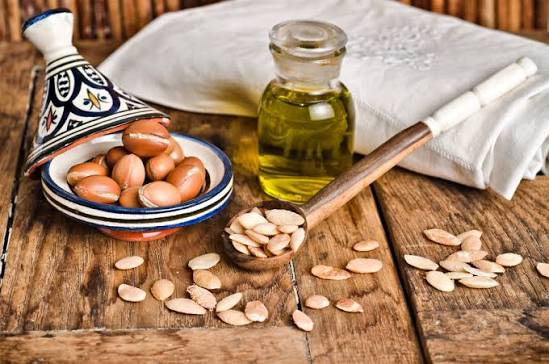
Argan oil comes from the kernels of the argan tree, which grows mainly in Morocco. The tree’s botanical name is argania spinosa. Many skin products use this oil because it has a light texture and contains fatty acids.
Pure argan oil is often labeled as cold-pressed. This means the oil was extracted without high heat, which may help preserve its natural compounds. Some products mix argan oil with fragrance, preservatives, or other natural oils, so the ingredient list matters.
Argan Oil for Skin Benefits
Argan oil benefits are primarily associated with moisture support and skin barrier comfort. It may help people with rough patches, tightness, or mild flaking. It should not replace prescription treatment for eczema, infections, rosacea, or severe acne.
Hydration and Skin Barrier Support
Argan oil contains oleic acid and linoleic acid, two fatty acids found in many plant-based oils. These ingredients can help soften the skin and support the barrier. A healthier skin barrier may feel less dry or tight.

Dryness and Irritation
People with dry skin may notice that argan oil helps seal in moisture after washing. It works best when applied over slightly damp skin or layered with a simple moisturizer. It may also help reduce friction in areas that feel rough or irritated.
Argan oil is often discussed for its anti-inflammatory properties, but it should not replace medical treatment for eczema, rosacea, or active rashes.
Oil Balance and Acne-Prone Skin
Some people with acne-prone skin tolerate argan oil well, while others may break out. Oily skin can still become dehydrated, but adding oil is not always the right choice, especially without a dermatologist-recommended skin care routine for oily skin. If a product seems to clog pores or worsen pimples, stop using it.
How to Use Argan Oil on Your Face
Using argan oil on the face should start slowly, especially if you have sensitive skin. Apply a small amount to a limited area first. Watch for redness, itching, bumps, or burning before using it more widely.
Daily Use and Skin Type
Daily use may be okay for some skin types, but not everyone needs it every day. People with very dry or mature skin may prefer nightly use, especially when building a dermatologist-recommended skin care routine for the 30s. People with oily or breakout-prone skin may do better using it only a few times per week.
How Much to Apply
You only need a small amount of argan oil to apply to the face. Too much can leave the skin greasy or increase the chance of clogged pores. A thin layer is usually enough.
Helpful use tips include:
- Start with 1 to 2 drops for the face.
- Apply it after cleansing and before heavier creams.
- Avoid the eyelids if they are easily irritated.
- Stop if stinging, itching, or breakouts develop.
Ingredients That Pair Well
Argan oil can pair well with simple moisturizers, ceramides, glycerin, and hyaluronic acid. These ingredients support hydration in different ways. In a skincare routine, water-binding ingredients hydrate, while oils help seal moisture.
Do Dermatologists Recommend Argan Oil?
Dermatologists may view argan oil as a reasonable moisturizing option for some people. They usually do not present it as a treatment for medical skin disease. The recommendation depends on the person’s skin history, allergies, acne pattern, and current products.
Argan oil may fit into a beauty routine when the goal is softness or mild dryness support. It is also used in skin and hair products because it can reduce dryness and add slip. Its health benefits should be described carefully, since cosmetic use is not the same as medical treatment.
Argan Oil for Skin Side Effects
Argan oil for skin side effects can include irritation, allergy, and breakouts. These reactions are more likely when the product contains fragrance or other added ingredients. A patch test helps lower risk, but it cannot prevent every reaction.
Allergic Reactions
An allergic reaction may cause redness, swelling, itching, or a rash. People with nut allergies should read labels carefully and ask a clinician if they are unsure. Stop use if symptoms appear.
Clogged Pores and Breakouts
Any oil can clog pores in some users, even if it feels light. Breakouts may appear as small bumps, whiteheads, inflamed pimples, or pimples under the skin that feel deeper and more tender. This risk is more relevant for people with acne-prone skin or oily skin.

When to Stop Using It
Stop using argan oil if your skin burns, itches, swells, or develops new bumps. Also, stop if a rash spreads or becomes painful. Continuing use can make irritation harder to identify.
Who Should Avoid Argan Oil?
Some people should avoid argan oil or use it only with medical guidance. This includes people with repeated contact allergies, active facial rashes, or worsening acne. It also includes anyone who reacts to plant oils or fragranced products.
Use extra caution if you have:
- Sensitive skin that reacts to many products.
- Active eczema, rosacea, or dermatitis flares.
- New acne that started after oil use.
- Open wounds, infected skin, or painful swelling.
Argan oil may be discussed online for stretch marks, but evidence is limited. It may help skin feel softer, but it cannot remove stretch marks. Skin ages due to genetics, sun exposure, hormones, and lifestyle, so no single oil can fully prevent signs of aging.
When to See a Dermatologist?
See a dermatologist if you experience dryness, cracks, bleeding, or if symptoms do not improve with gentle care. You should also seek care for painful acne, spreading rashes, signs of infection, or sudden skin changes. Home products can support comfort, but they cannot replace diagnosis when symptoms are persistent or unclear.
A dermatologist can help identify whether the issue is dryness, allergy, acne, eczema, or another condition. That distinction matters because each problem needs a different plan. Argan oil may be useful in some routines, but safe care starts with knowing how your skin reacts.