Accutane and dry lips are closely linked because isotretinoin reduces oil production, which weakens the skin barrier and leads to moisture loss. This commonly causes dryness, cracking, peeling, and increased sensitivity, especially in the lips and other mucous membranes.
Symptoms often begin within the first few weeks of treatment and can range from mild irritation to more persistent discomfort. Management focuses on protecting the lips with barrier-repair products, avoiding irritants, and maintaining consistent care.
Most cases improve after treatment ends, although severity and recovery can vary from person to person.
Key Takeaways
- Accutane and dry lips occur because isotretinoin reduces oil production, which weakens the skin barrier and increases moisture loss.
- Dry lips often begin within the first few weeks of treatment and may include peeling, cracking, and sensitivity.
- Consistent use of barrier-protecting products like petroleum jelly and avoidance of irritants help reduce symptoms and prevent worsening dryness.
- Most cases are manageable with daily care, but severe symptoms such as deep cracks, bleeding, or swelling may require medical evaluation.
- Dryness usually improves after treatment ends, although recovery time varies depending on individual skin response and care habits.
Why Accutane Causes Dry Lips
Can Isotretinoin Cause Dry Lips
Isotretinoin is a form of vitamin A used in acne treatment to reduce clogged pores and inflammation. It works by shrinking oil glands and decreasing oil production across the skin.
This process helps control acne but also affects areas that rely on natural oils for protection. The lips are especially vulnerable because they have fewer sebaceous glands than other areas of the skin.
As oil production decreases, the skin barrier becomes less effective at retaining moisture. This leads to water loss from the lips and surrounding skin. The result is dryness, tightness, and irritation that often appear early in treatment. These changes are expected and are considered a common side effect of isotretinoin.
How Oil Reduction Affects Lips
The lips depend on a thin protective barrier to prevent water loss and maintain comfort. When Accutane reduces oil production, the skin barrier weakens and becomes less effective at protecting against environmental stressors.
Cold air, wind, and low humidity can worsen this effect. Over time, the lips may become dry, cracked, and sensitive.
This process also affects mucous membranes, which are naturally more delicate. Patients may notice dryness not only in the lips but also in the nose and eyes. These changes explain why dry eyes and irritation often occur alongside lip symptoms. The combination reflects how isotretinoin affects the entire skin system.
When Do Dry Lips Start on Accutane
Early and First Signs
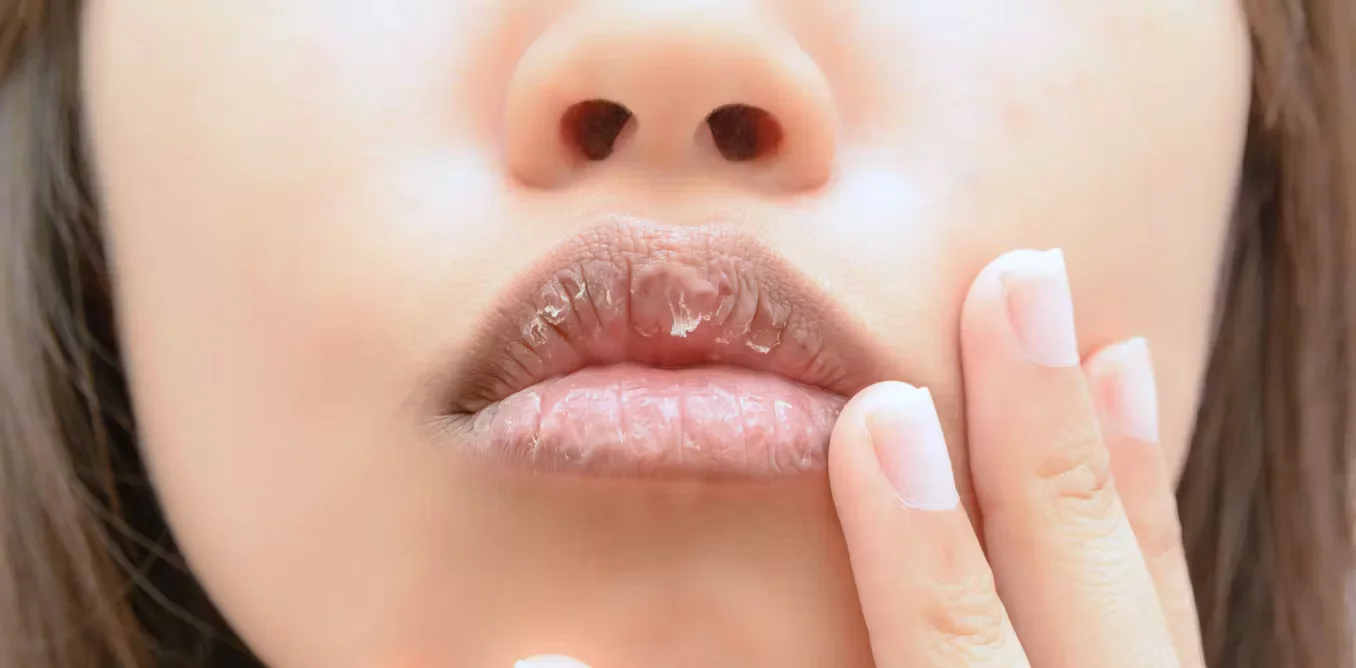
Most patients notice dryness within the first few weeks of starting Accutane treatment. In many cases, lip dryness appears before other skin changes. Early signs include mild tightness, flaking, and increased sensitivity. These symptoms can develop quickly as oil production begins to decline.
The onset may vary depending on dosage and individual skin type. Higher doses often lead to earlier and more noticeable dryness. Environmental factors can also influence how soon symptoms appear. Recognizing these early signs helps patients start supportive care before symptoms worsen.
How Symptoms Progress
As treatment continues, dryness may become more persistent and visible. The lips can develop peeling, cracking, and areas of redness. Some patients experience discomfort when eating, talking, or smiling. In more severe cases, small fissures can form at the corners of the mouth.
These changes are part of the body’s response to reduced oil production. The skin barrier becomes less effective at preventing water loss, leading to ongoing dryness. Without proper care, symptoms can intensify over time. Consistent protection is important to maintain comfort.
Symptoms of Accutane: Dry and Flaky Lips
Can Accutane Make Lips Chapped
Yes, Accutane causes dry, flaky lips as a direct result of reduced oil and moisture. Patients often report dry, chapped lips that feel rough or tight throughout the day. Peeling skin and visible cracks are also common. These symptoms can fluctuate but tend to persist during treatment.
The lips may also become more sensitive to the sun. Exposure without protection can worsen dryness and discomfort. Using lip products with SPF 30 or higher helps reduce irritation. This is important because the skin becomes sensitive to the sun during treatment.
Normal vs Severe Dryness
Mild to moderate dryness is expected during treatment. This includes flaking, tightness, and occasional cracking. These symptoms can usually be managed with regular lip care. They do not indicate a problem with the treatment.
Severe dryness may involve deep cracks, bleeding, or intense discomfort. These symptoms can interfere with daily activities. Persistent or worsening symptoms should be evaluated. A clinician can determine if additional care is needed.
Is Dryness Normal or a Sign of a Problem
Irritation vs Allergic Reaction
Most cases of lip dryness on Accutane are due to irritation, not allergy. Irritation occurs when the skin barrier cannot retain moisture effectively, which can overlap with symptoms described in Accutane-related redness and irritation. This leads to redness, peeling, and discomfort. These changes are expected and manageable.
An allergic reaction is less common but may include swelling or blistering. These symptoms are different from typical dryness. Identifying this difference is important for proper care. Patients should monitor any unusual changes.
When to See a Dermatologist
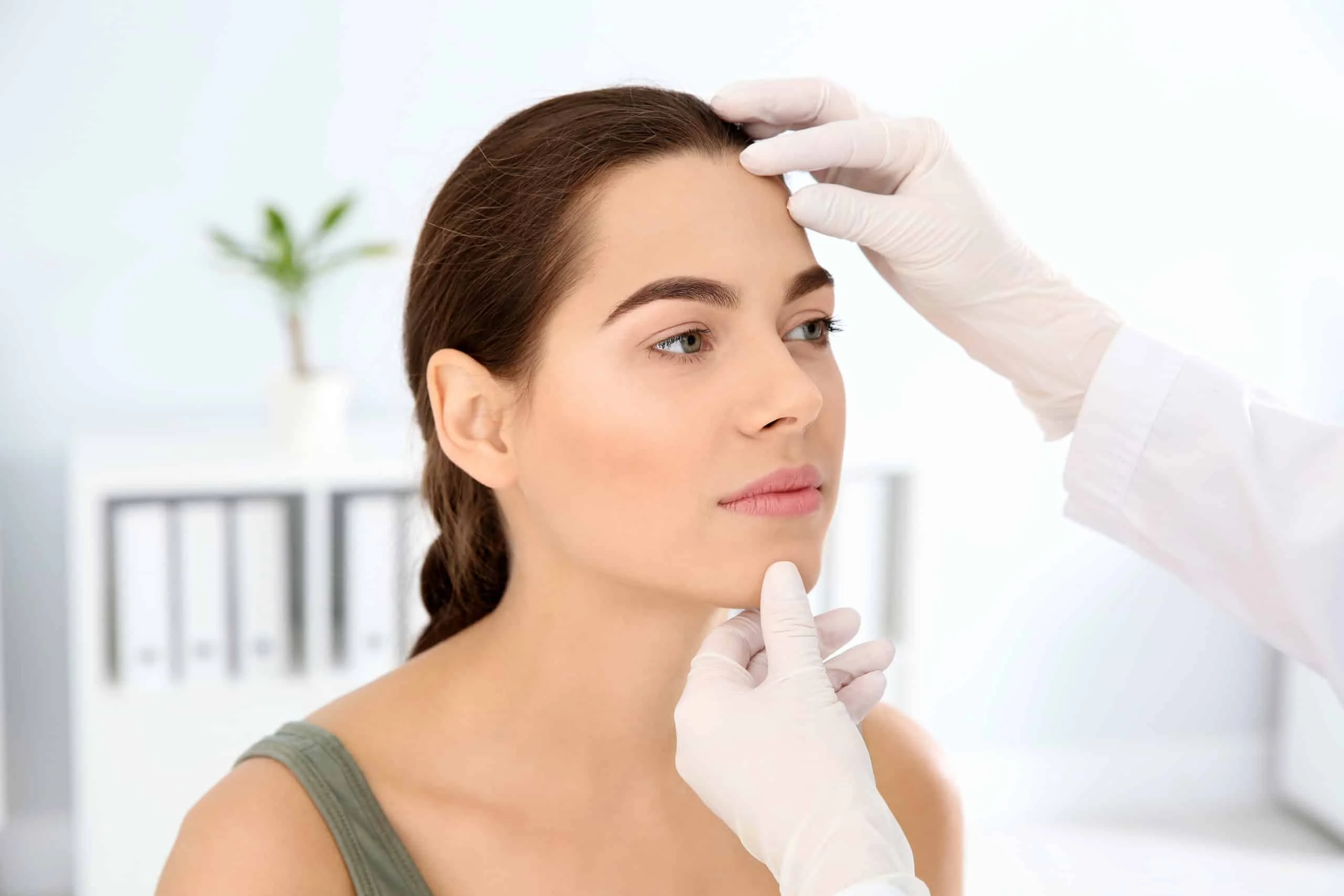
Medical evaluation is important if symptoms become severe or do not improve. Signs include persistent bleeding, swelling, or infection. Cracks that do not heal may need treatment. These symptoms go beyond typical side effects such as dryness.
DermOnDemand clinicians may evaluate these concerns based on symptoms and presentation. Mild dryness can be managed at home, but severe cases need professional guidance. Early evaluation helps prevent complications, including options available through DermOnDemand.
What Can and Cannot Be Managed at Home
Most cases of Accutane and dry lips can be managed with consistent daily care. Mild to moderate dryness, flaking, and sensitivity respond well to protective products and simple habits. These symptoms are expected and do not require prescription treatment. Regular use of barrier care helps maintain comfort.
Some symptoms cannot be managed at home. Deep cracks, swelling, or signs of infection require medical evaluation. Severe pain or persistent symptoms may need targeted care. A clinician can assess these situations and guide treatment.
Understanding this distinction helps patients respond appropriately. It reduces unnecessary concern and improves safety. It also supports better outcomes during Accutane treatment. Clear boundaries improve decision-making.
What Makes Accutane and Dry Lips Worse
Environmental and Daily Triggers
Environmental conditions can increase dryness. Cold weather, wind, and indoor heating reduce moisture levels. These factors further weaken the skin barrier. They make dryness more difficult to control.
Daily habits also contribute. Lip licking increases irritation and dryness. Frequent exposure to water without protection removes remaining moisture. Patients should drink plenty of water, but hydration alone does not replace barrier protection.
Skincare and Product Irritation
Some products worsen dryness and irritation. Lip balms with fragrance or alcohol can damage the skin barrier. Exfoliating products can increase cracking. Choosing gentle products is essential.
Ingredients like petroleum jelly help seal moisture and prevent water loss. Hyaluronic acid supports hydration when combined with protective layers. These ingredients help maintain balance. Proper product choice reduces symptoms.
How to Prevent and Treat Dry Lips on Accutane
How to Avoid Dry Lips While on Accutane
Preventive care should begin early. Applying lip balm frequently helps retain moisture, especially with dermatologist-recommended options. Reapplication after eating or drinking is important. Consistent use supports the skin barrier.
Using a humidifier helps maintain environmental moisture. Avoiding irritants also reduces symptoms. Simple habits can improve comfort. Early care prevents worsening dryness.
Accutane and Dry Lips Treatment Options
Treatment focuses on restoring the skin barrier. Thick products prevent water loss and reduce irritation. Petroleum jelly is commonly used for this purpose. It supports healing and protection.
Some cases may require additional treatment. This depends on severity and response. Adjusting care based on symptoms is important. Monitoring helps guide decisions.
Tips to Help With Dry Skin and Lips on Accutane
Practical steps include:
- Apply lip balm frequently
- Use gentle products
- Drink plenty of water
- Use SPF 30 or higher
- Avoid picking at skin
These tips help with dry skin and lips on Accutane by supporting barrier function. They reduce irritation and improve comfort. Consistency is essential.
Common Mistakes That Delay Healing
Some habits worsen dryness. Thin lip products may not provide enough protection. Over-exfoliating damages the skin barrier. Ignoring early symptoms allows progression.
Relying only on hydration is not enough. The issue involves reduced oil production. Both moisture and protection are needed. Understanding this improves care.
Best Ingredients for Accutane Dry Lips
Certain ingredients provide better protection during treatment. Petroleum jelly creates a seal that prevents water loss. It helps repair dry, chapped lips effectively. It remains one of the most reliable options.
Hyaluronic acid attracts and retains water, supporting hydration. It works best when paired with a protective layer. Without this, moisture can escape. Product layering improves results.
Avoid ingredients that irritate the skin. Fragrance and alcohol can worsen symptoms. Simple formulas are safer. They help maintain stability.
Daily Routine for Managing Dry Lips on Accutane
A daily routine supports consistent protection. Apply lip balm in the morning and throughout the day. Reapply after meals to maintain coverage. This prevents moisture loss.
Use sun protection because lips become sensitive to the sun. Products with SPF 30 or higher help reduce irritation. Environmental exposure increases dryness. Protection reduces this effect.
Hydration supports overall skin health. Patients should drink plenty of water daily. External protection remains essential. Consistency improves comfort.
Do Dry Lips Go Away After Accutane
Permanent Dry Lips After Accutane Explained
In most cases, dryness improves after treatment ends. Oil glands gradually return to normal function. This helps restore the skin barrier. Most patients do not experience permanent dryness.
Irritation occurs when the skin barrier cannot retain moisture effectively, which can overlap with symptoms described in Accutane-related redness and irritation. This depends on skin response and care. Proper management supports recovery. Long-term dryness is less common.