
Blood Spots Under Skin: Causes and Treatment
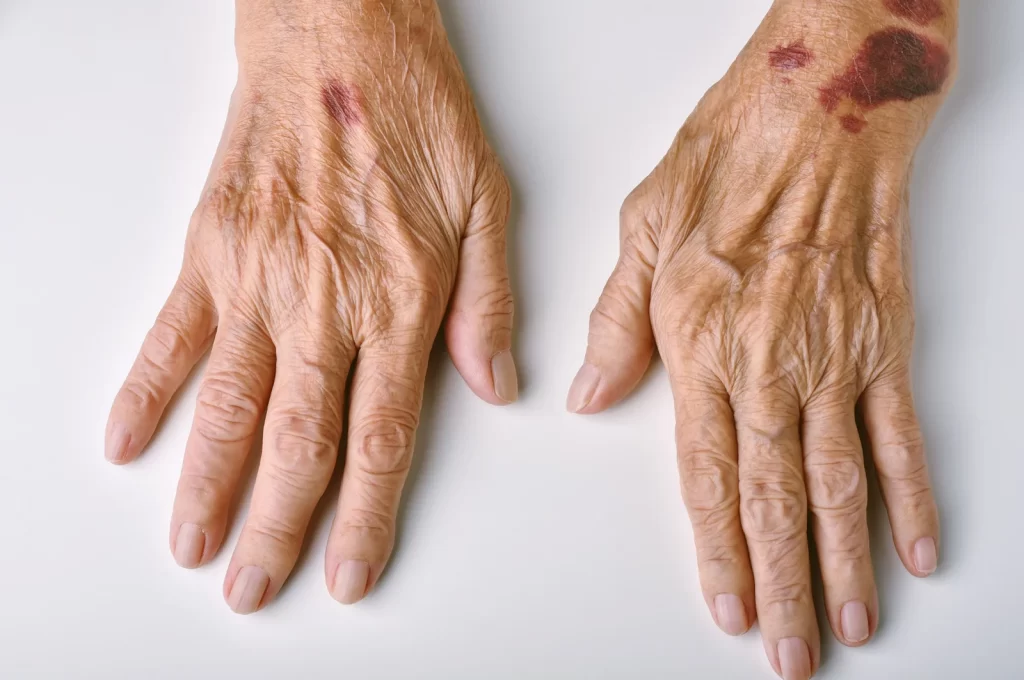
Blood spots appear when small blood vessels, called capillaries, break and leak blood beneath the skin. These spots may look red, purple, brown, or dark, and they often stay flat rather than turning white when pressed. The term blood spots under skin can include petechiae, which are pinpoint dots, or purpura, which appears as larger […]
Signs That Accutane Is Working: What to Expect
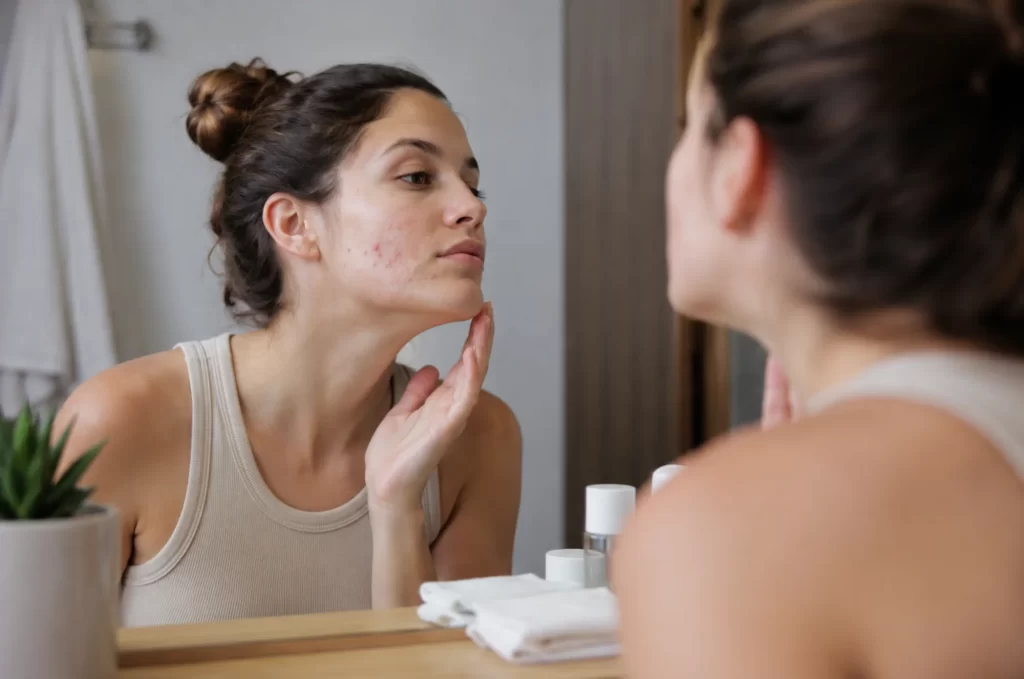
Accutane may be working when your skin feels less oily, your hair gets less greasy, and new breakouts become smaller, fewer, or less inflamed. Early dryness, especially dry lips, can also appear before major acne clearing because isotretinoin lowers oil production. The signs that Accutane is working often appear within 4 to 6 weeks, but fuller, more stable improvement typically takes 4 to 5 months of treatment.
Progress can look uneven at first, and some patients may flare before they improve. A good early sign is not perfect skin, but a slower acne cycle with fewer painful cysts, less swelling, and reduced oil. Your dermatologist can help you review your timeline if acne continues to worsen after the initial adjustment period.
Witch Hazel for Skin: Benefits, Uses, and What to Expect
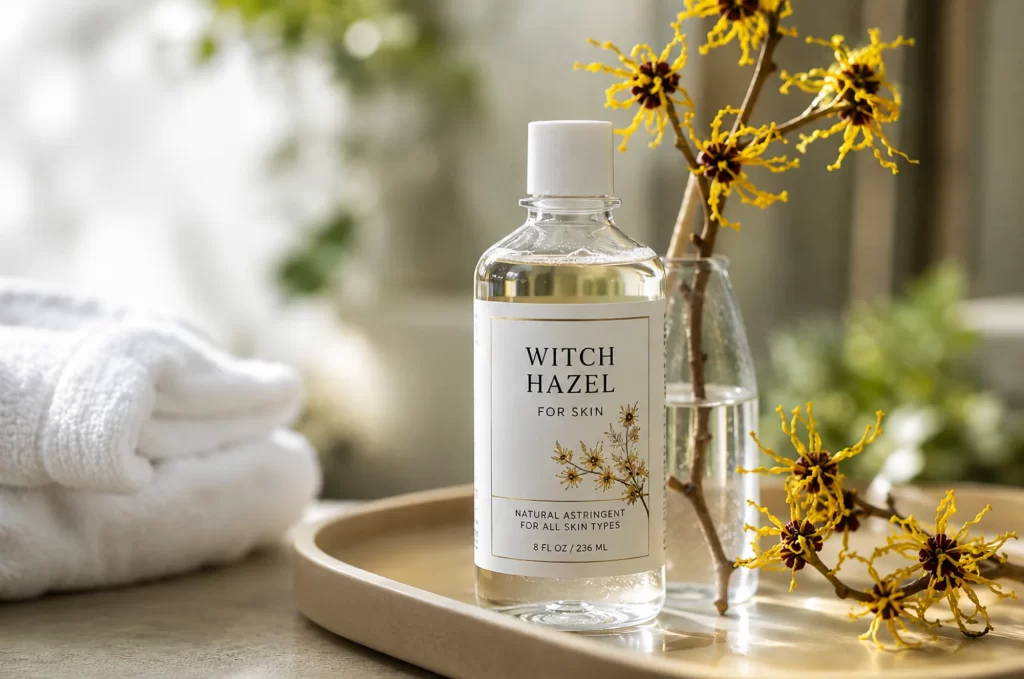
Derived from the bark, leaves, and twigs of Hamamelis virginiana, the benefits of witch hazel for skin come from two main properties: it acts as an astringent to remove excess oil and temporarily tighten pores, and it contains tannins and gallic acid that reduce inflammation and soothe minor irritation.
It works best for oily, combination, and acne-prone skin types, and is most commonly used as a toner between cleansing and moisturizing. People with dry or sensitive skin should choose an alcohol-free formula to avoid irritation. It is an FDA-approved over-the-counter ingredient, but it is not a treatment for diagnosed skin conditions like eczema, rosacea, or psoriasis.
Can Accutane Cause Infertility? Key Patient Facts

Accutane is not known to cause permanent infertility in men or women. The main concern is pregnancy exposure, because isotretinoin can cause severe birth defects if taken during pregnancy.
The question “can accutane cause infertility?” often comes from strict pregnancy rules, but those rules protect fetal health, not because Accutane has been shown to damage future fertility.
Acne Accutane Before and After: Results Timeline
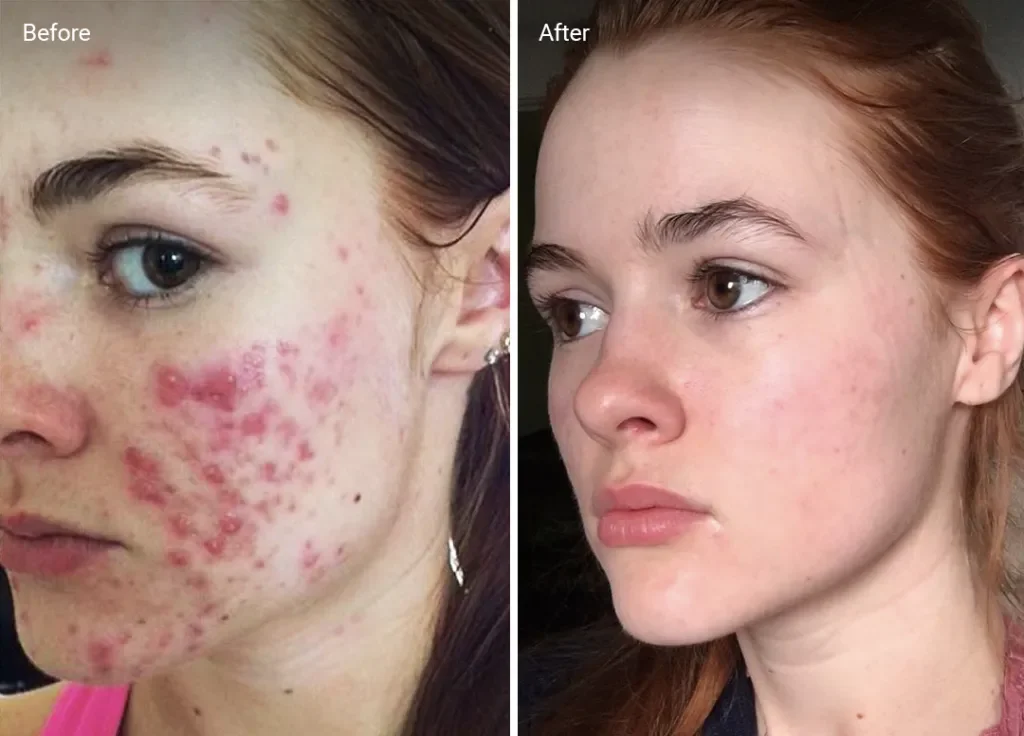
Accutane results usually appear over a 5–6 month treatment course, with the clearest changes often seen after months 3–6. Acne Accutane before and after results often show fewer deep breakouts, less oiliness, calmer redness, and smoother skin texture, but early worsening can happen during the first 1–2 months.
About 85% of patients may see major or complete acne clearing after one course, but results vary by acne severity, dose, side effects, and treatment adherence. Accutane can help prevent new acne scars by reducing severe breakouts, but it does not remove existing scars.
Accutane: When Does It Start Working for Acne Treatment?

Accutane usually starts working gradually, with early changes such as less oil, drier skin, or fewer new breakouts often appearing within the first few weeks. Visible improvement in acne typically becomes apparent within 1 to 3 months, while full clearing often takes 4 to 6 months of treatment.
The question “Accutane: When Does It Start Working?” has a timeline-based answer because isotretinoin reduces oil production over time, and acne lesions need weeks to calm.
Accutane Tips for Managing Dry Skin and Irritation
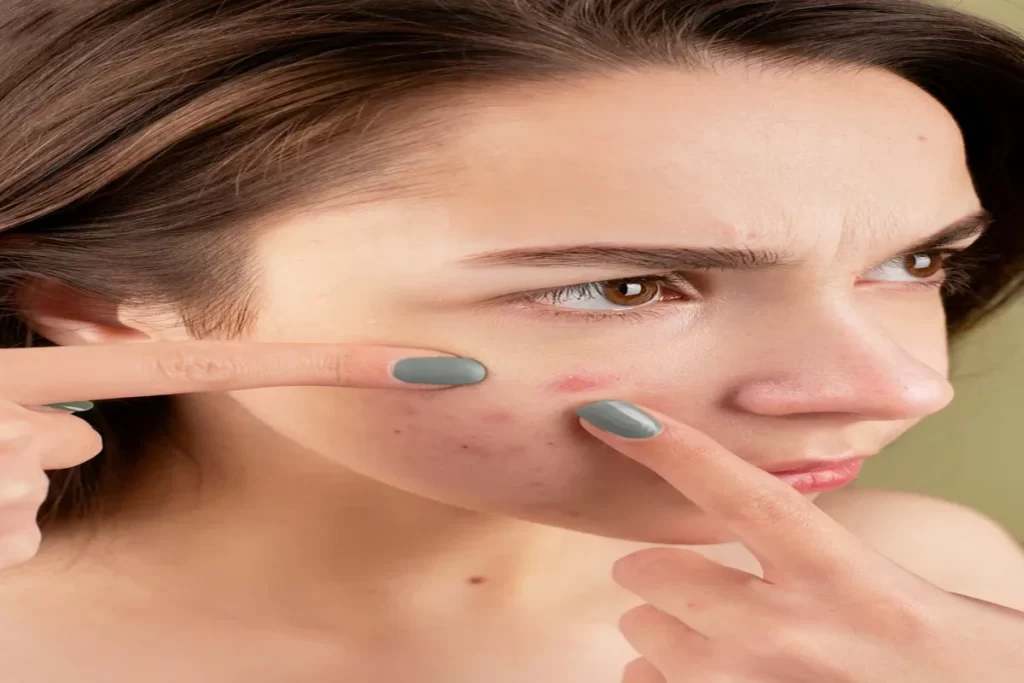
Safe skin care on Accutane means protecting the skin barrier while isotretinoin reduces oil production and treats severe acne.
The most useful Accutane tips include taking the medication exactly as prescribed, using a gentle cleanser, moisturizing often, applying SPF 30+ sunscreen daily, and avoiding vitamin A supplements unless your clinician approves them.
Accutane vs Isotretinoin: Are They the Same?
Yes. Isotretinoin is the generic active medication, a retinoid and vitamin A derivative used to treat severe or scarring acne, while Accutane was a brand name for isotretinoin that is no longer sold in the United States.
The accutane vs isotretinoin distinction is mostly a naming difference, not a difference in the active ingredient. DermOnDemand provides this educational overview, with clinical context from Dr. Hannah Kopelman, a medical expert, to explain names, uses, side effects, pregnancy risks, and treatment monitoring.
Accutane Sweating: Causes, Side Effects, and Care
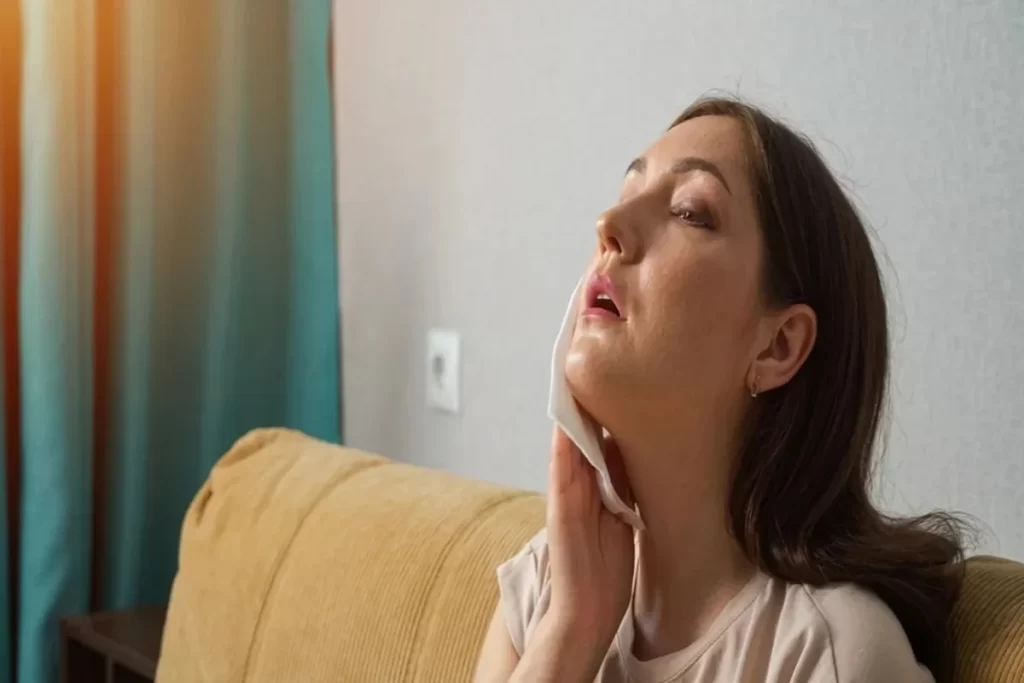
Accutane can cause sweating in some patients, but it is not among the most predictable or common side effects of isotretinoin. Accutane Sweating may feel like excessive sweating, feeling warmer than usual, hot flashes, or sweating more during exercise, stress, sleep, or warm weather.
Research and patient reports suggest this may be related to temporary changes in skin function, sweat-gland response, hormonal patterns, or other overlapping triggers.