
Accutane Sore Throat: Causes, Risks, and Care
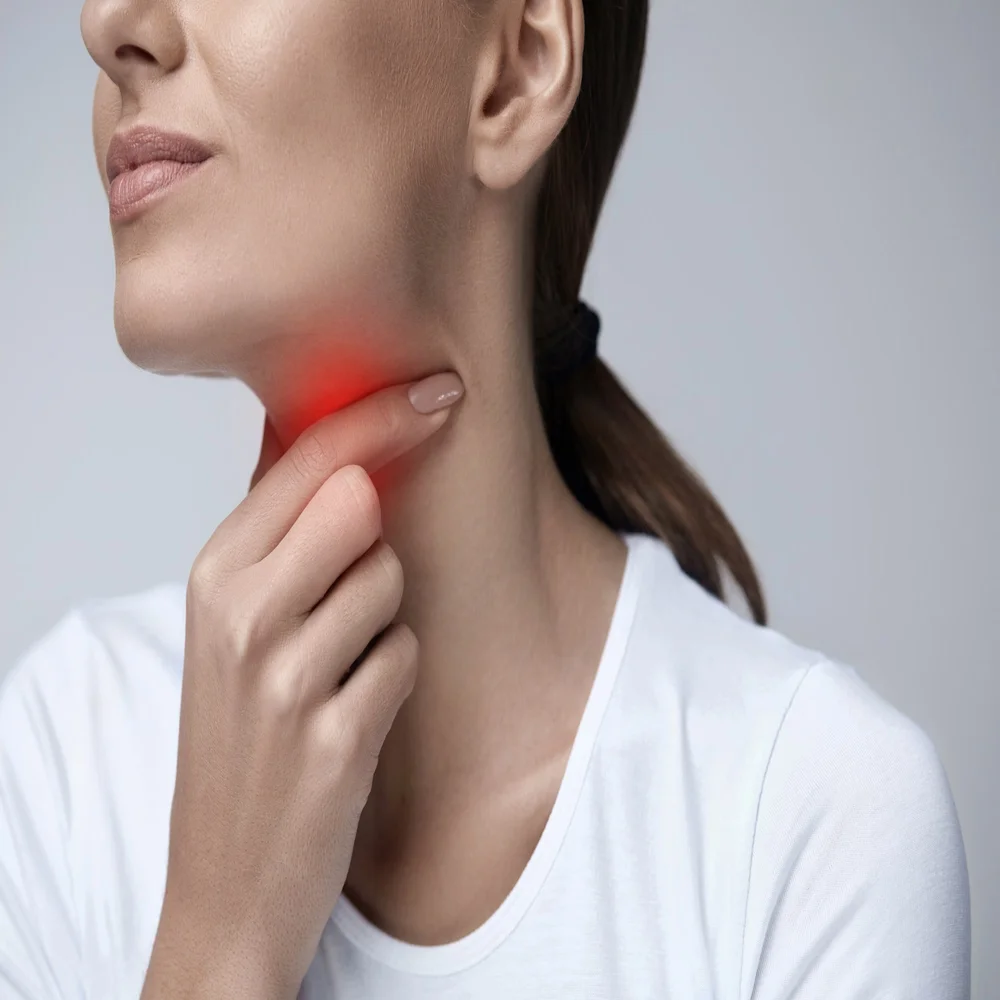
A sore throat can occur during Accutane treatment because isotretinoin often dries the mouth, nose, lips, and throat. An Accutane Sore Throat may feel like dryness, scratchiness, hoarseness, mild swallowing discomfort, or cold-like irritation.
This can happen when the mucous membranes lose moisture, but throat symptoms can also come from infection, pill irritation, mouth sores, reflux, or allergies.
Accutane or Birth Control for Acne: Which Is Better?
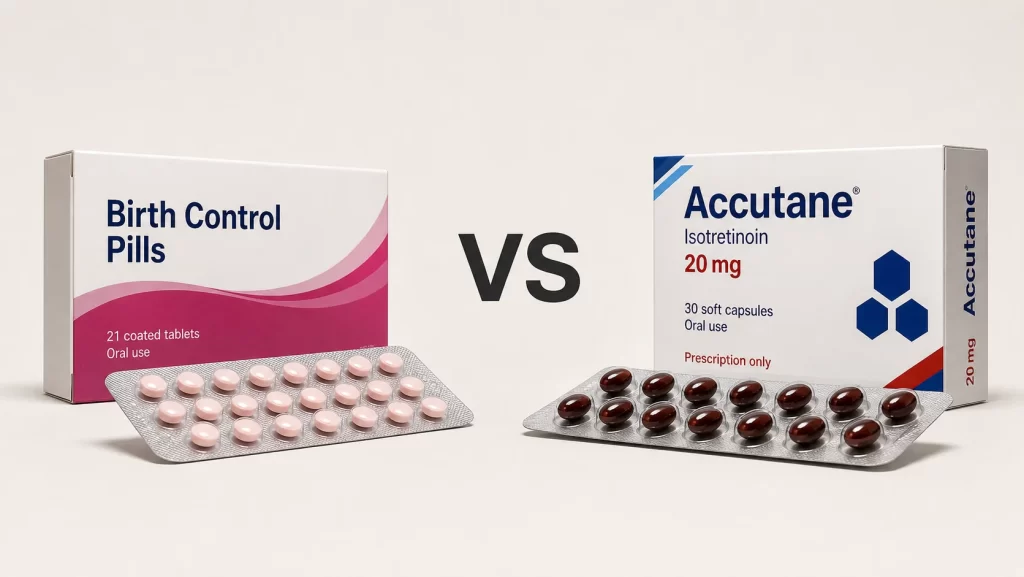
Accutane is usually better for severe, cystic, scarring, or treatment-resistant acne, while birth control is usually better for moderate hormonal acne linked to menstrual cycles, jawline breakouts, or androgen activity.
Choosing Accutane or birth control for acne depends on acne severity, medical history, pregnancy plans, and whether the main trigger appears hormonal or inflammatory. Accutane, or isotretinoin, can lead to long-term improvement for some patients, but it requires careful monitoring and strict pregnancy prevention because it can cause severe birth defects.
Accutane Month by Month: Results and Pictures
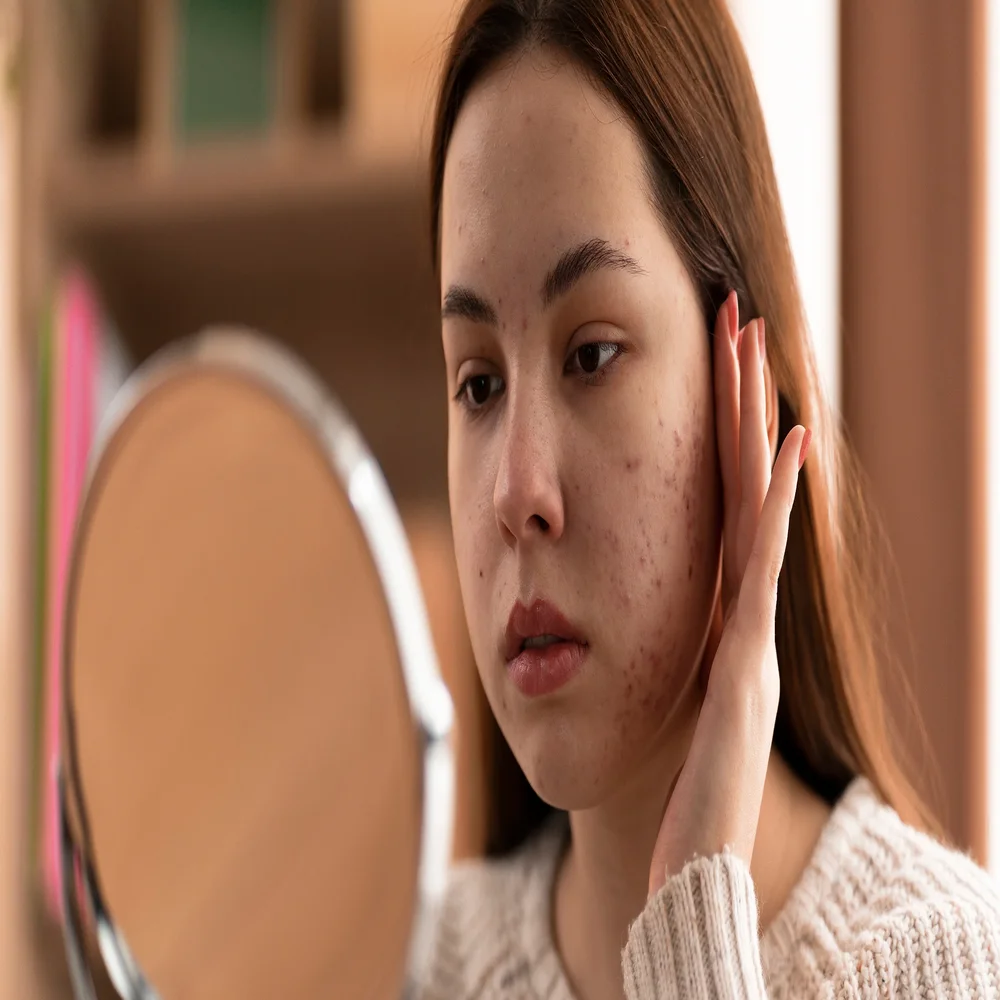
A typical Accutane course lasts about 5 to 6 months, but progress can vary depending on dose, acne severity, side effects, and medical plan.
The Accutane month-by-month pattern often includes early purging and dryness in the first month, clearer improvement by months 2 and 3, and the most visible clearing around months 4 to 5.
Some patients may see rough estimates such as 25% improvement in month 1, 50% by month 2, and up to 75% by month 3, but these numbers are not guaranteed.
Accutane Month 3: What to Expect

By the third month of isotretinoin treatment, some patients start to see fewer active breakouts, less oiliness, and calmer inflammation, but results can still vary. During Accutane month 3, it is still possible to have new pimples, purging, red marks, or slower progress, especially with severe or cystic acne.
Common side effects, such as dry lips, dry skin, dry eyes, nosebleeds, sun sensitivity, and joint or muscle discomfort, may persist during this stage.
Accutane in Month 2: Are Breakouts and Results Normal?
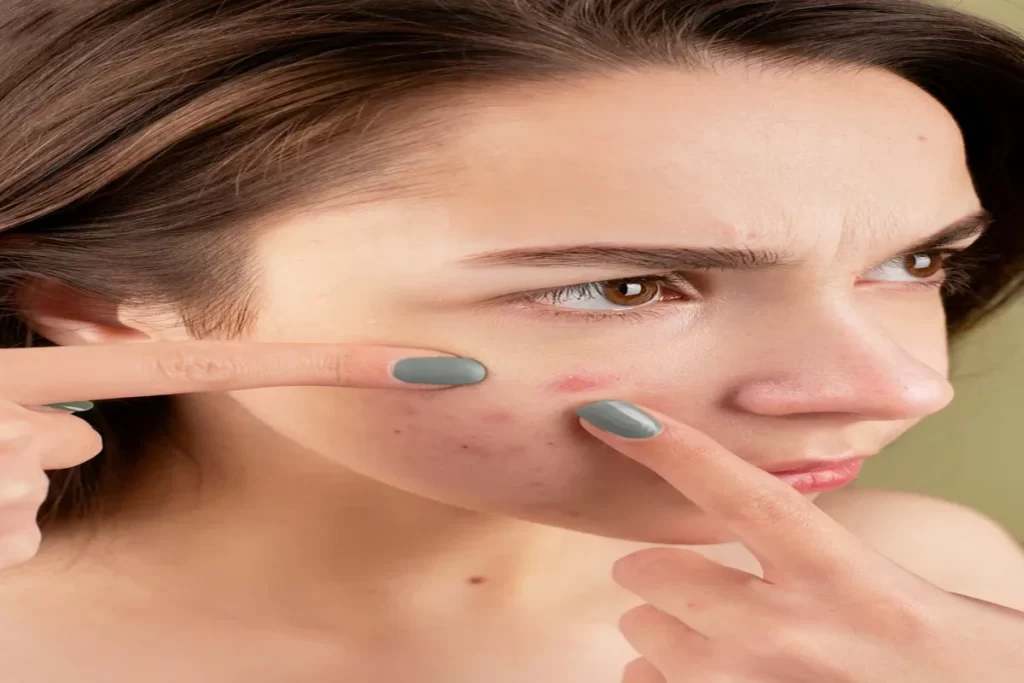
By Accutane month 2, many patients still have breakouts, and some may be in the peak of a temporary purge. Skin often becomes much less oily during this stage because isotretinoin reduces sebum production, shrinks sebaceous glands, helps limit clogged pores, and reduces acne-related inflammation.
Dry lips, dry skin, dry eyes, nosebleeds, and increased sun sensitivity are common side effects, so barrier care, lip balm, moisturizer, and sunscreen often become more important.
Accutane for Hyperpigmentation: What to Know
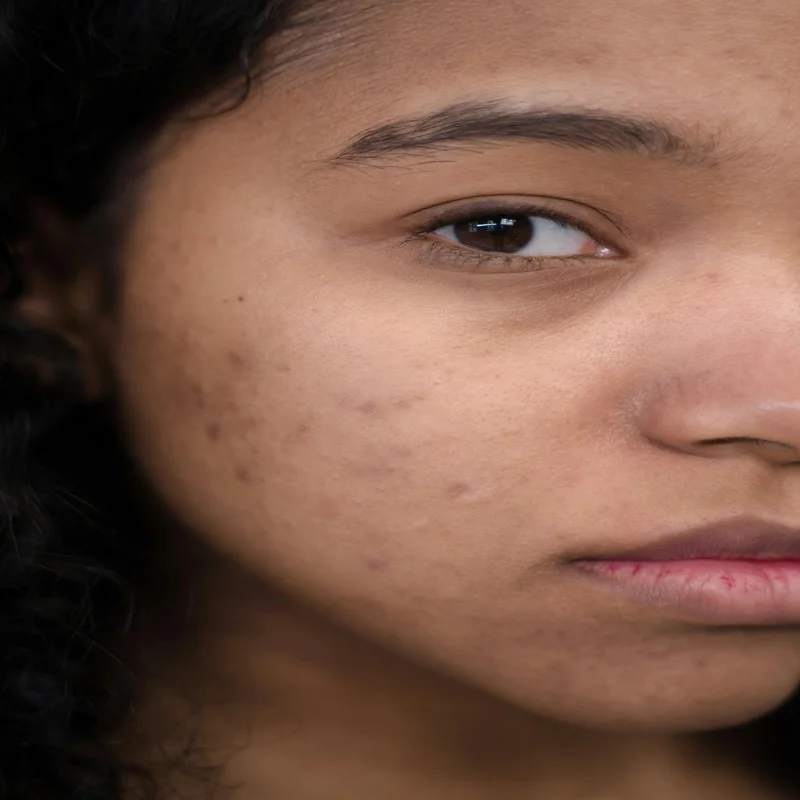
Accutane, also known as isotretinoin, can help reduce future acne-related dark spots by treating active acne, but it does not directly fade existing hyperpigmentation. Accutane for hyperpigmentation is best understood as an indirect approach, because fewer inflamed breakouts can lead to fewer new brown or red marks over time.
Accutane Benefits: Isotretinoin Risks and Effects
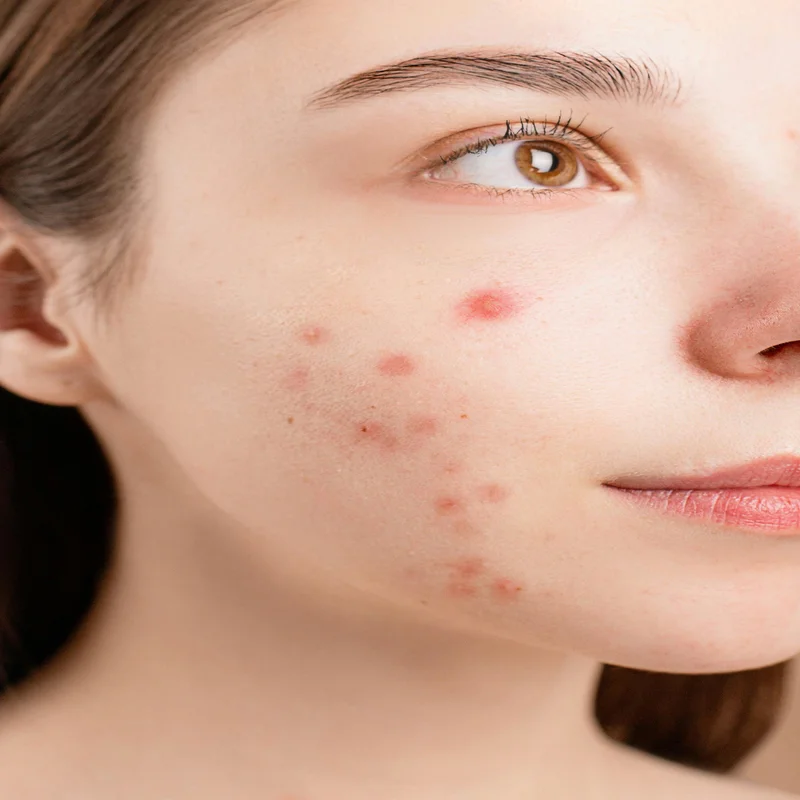
The main Accutane benefits include reduced oil production, fewer clogged pores, less inflammation, fewer deep breakouts, and a lower risk of future acne scarring. It may also lead to long-term remission for many patients, though results vary.
Isotretinoin does not work like a basic acne cream or antibiotic. It targets several acne pathways at once, including excess sebum production, pore blockage, and inflammation, while making the skin less hospitable to acne-causing bacteria. Its risks include dry lips, dry skin, dry eyes, joint pain, mood-related concerns, lab changes, and an increased risk of serious birth defects, so treatment requires medical screening and monitoring.
Is Accutane Worth It for Adult Acne?

Yes, Accutane may be worth it for adult acne when breakouts are severe, painful, scarring, or resistant to other treatments. Isotretinoin is an FDA-approved oral retinoid for severe, recalcitrant acne in patients 12 and older, and taking Accutane as an adult can reduce oil production and target several causes of acne at once.
Accutane Anxiety: Causes, Symptoms, and Care

Isotretinoin, often known as Accutane, may be linked to anxiety, depression, mood swings, and other mental health changes in some patients. Accutane anxiety is not common, but it can happen. Patients should watch for changes in mood, sleep, irritability, panic symptoms, and emotions during treatment.
Care often starts before treatment begins. Patients should tell a healthcare professional about any personal or family mental health history.